Septic Tank Backup Prevention: A Comprehensive Guide
A septic system backup is one of the most unpleasant and disruptive problems a homeowner can experience. Slow drains, gurgling sounds in the plumbing, or unpleasant odors around the septic tank or drain field are not just inconvenient, they are warning signs of a system under stress. Understanding why septic tank backups occur and how to prevent them can save you from costly repairs and serious health concerns.
Causes of Septic Tank Backups
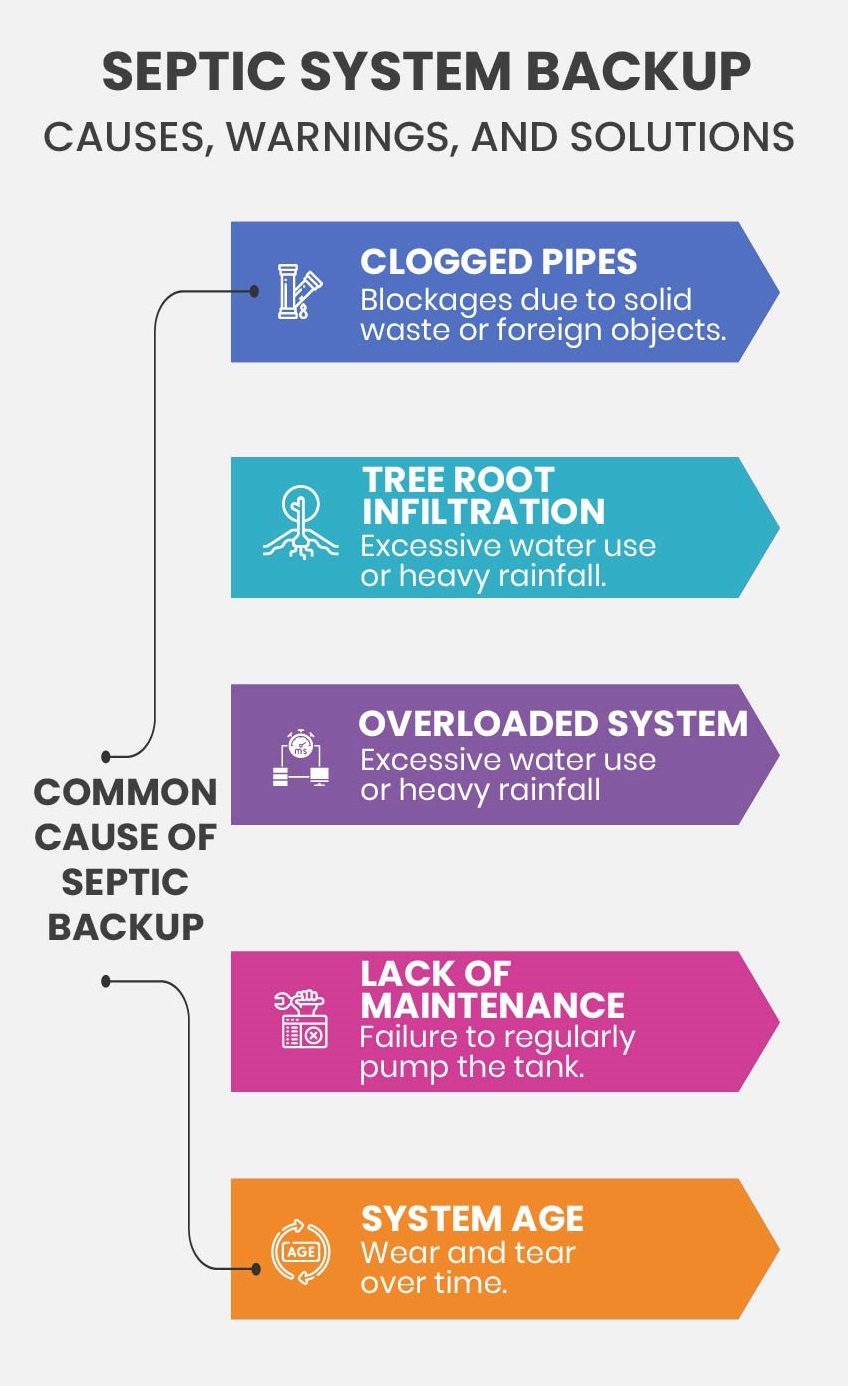
Septic tank backups occur when the system becomes overloaded or clogs, causing the wastewater to back up into the home. The primary causes of septic tank backups include:

- Insufficient maintenance: Failure to pump the septic tank regularly, leading to a buildup of solids and scum.
- Excessive water usage: Running too many water-intensive appliances or having a large household can put excessive strain on the system.
- Clogged drainfield: Tree roots, soil compaction, or other issues can prevent wastewater from draining properly.
- Aged or poorly designed systems: Older systems or those with inadequate designs can easily become clogged or overwhelmed.
Prevention Methods
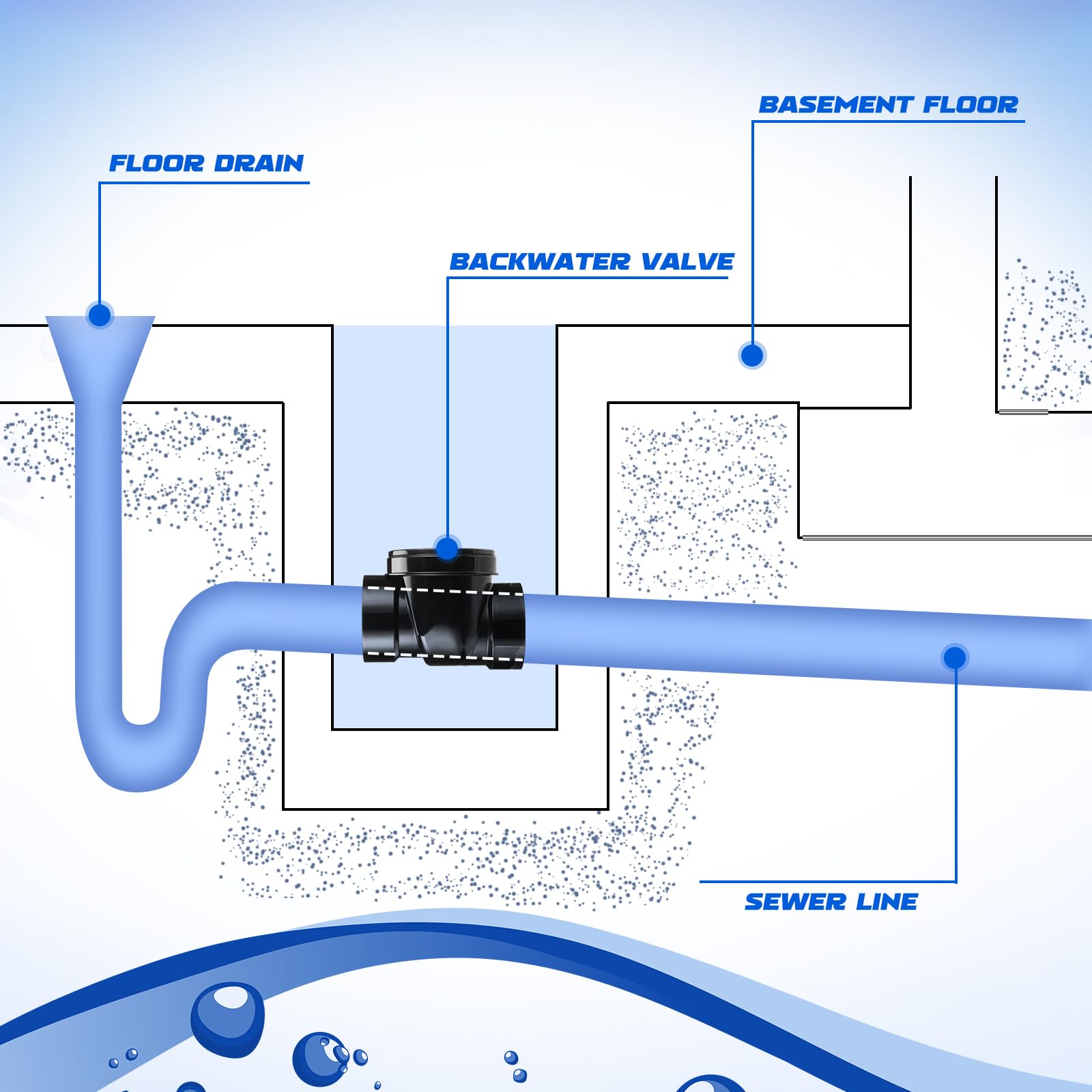
Preventative measures can go a long way in maintaining a healthy and functioning septic system. Regular septic tank pumping, mindful waste disposal, controlled water usage, and proactive maintenance prevent backups and avoid the need for costly emergency septic tank services.