Understanding the Role of GLP-1 in Improving Insulin Sensitivity
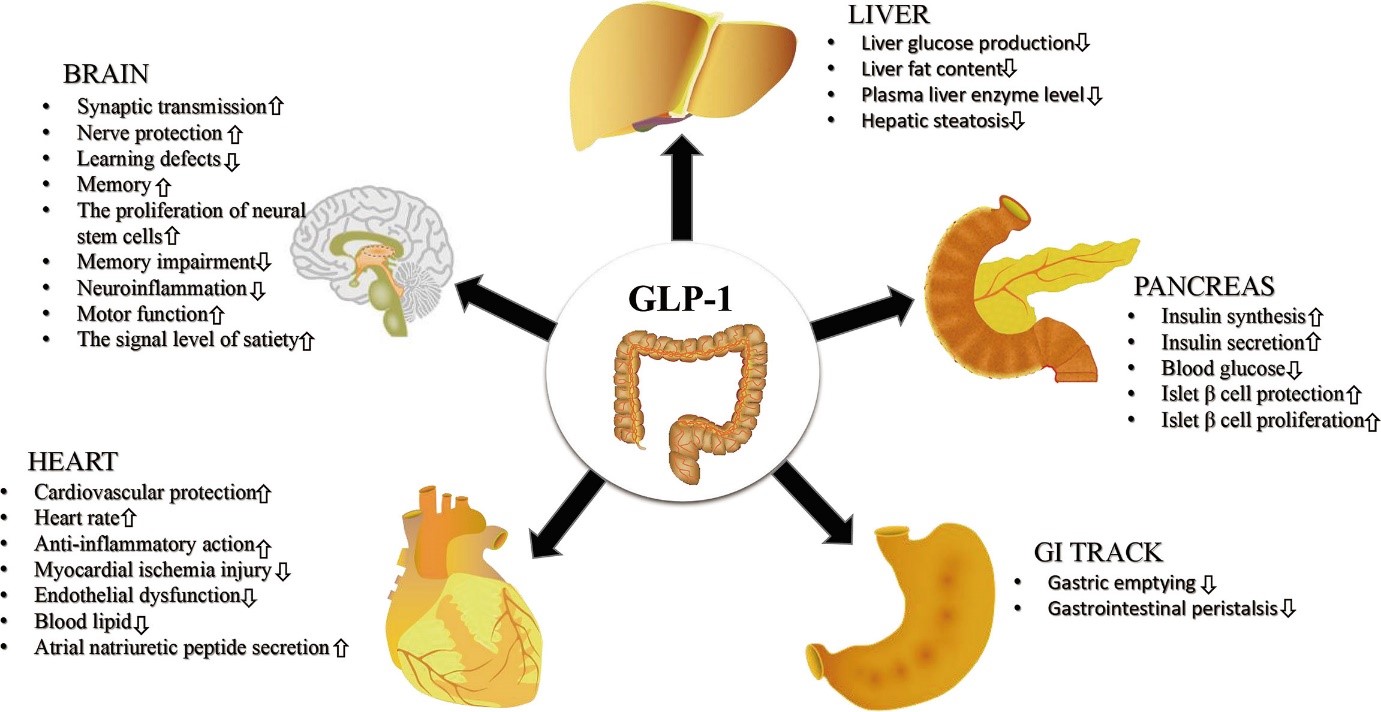
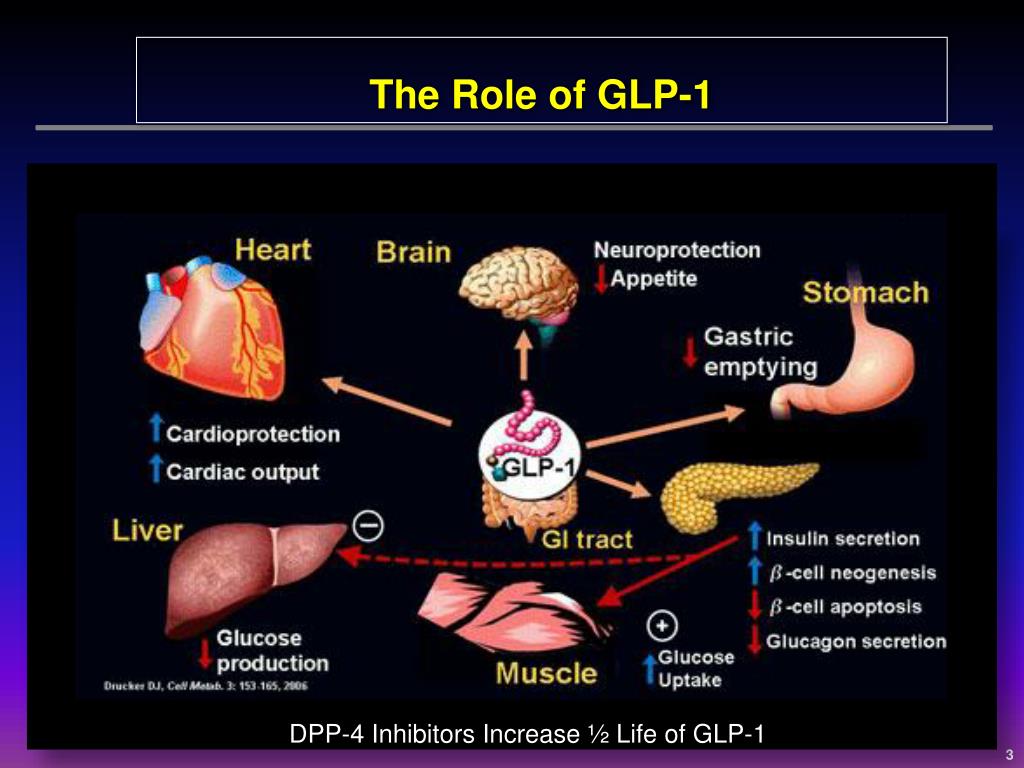
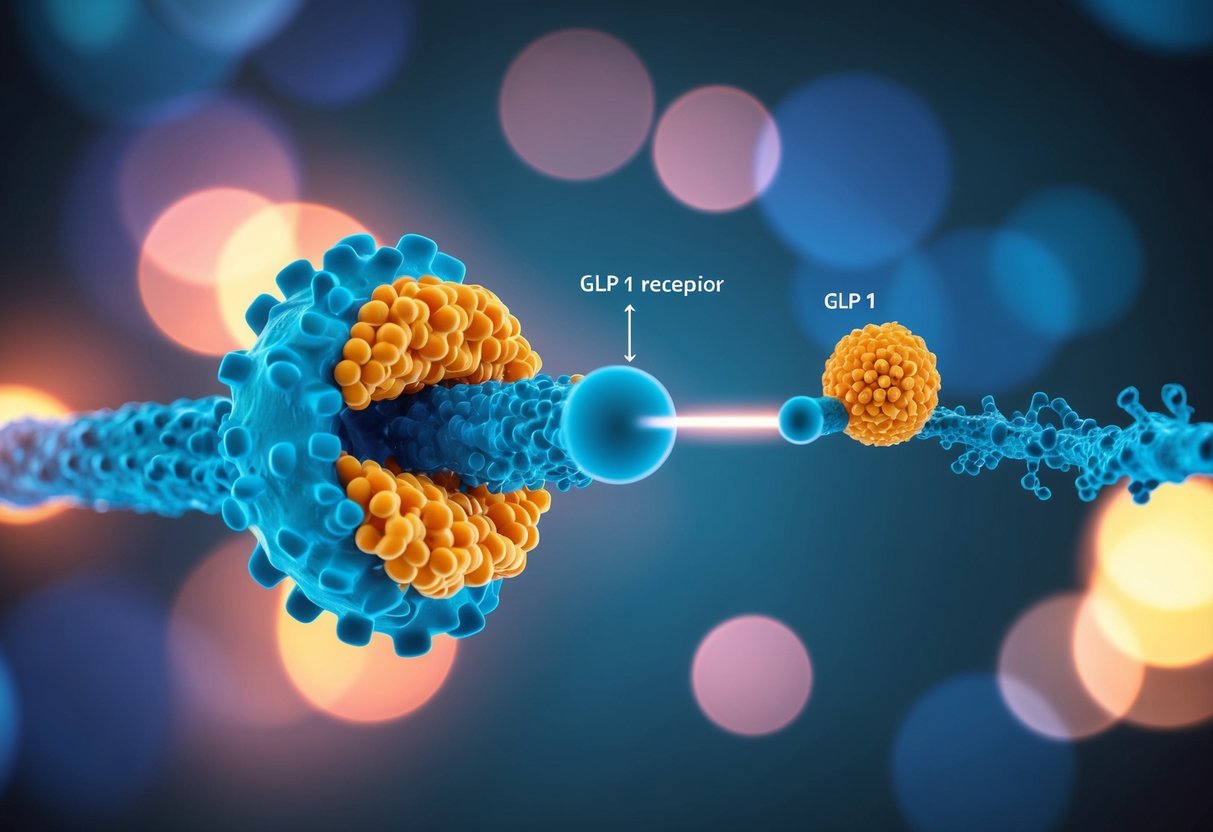
Glucagon-like peptide-1 (GLP-1) is a hormone that plays a critical role in regulating blood sugar levels, appetite, and metabolic balance. GLP-1 receptor agonists, a class of medications, mimic this hormone to improve glycemic control and facilitate weight loss. In this article, we will delve into the role of GLP-1 in improving insulin sensitivity and its implications for managing type 2 diabetes and associated metabolic disorders.
GLP-1 and Insulin Sensitivity
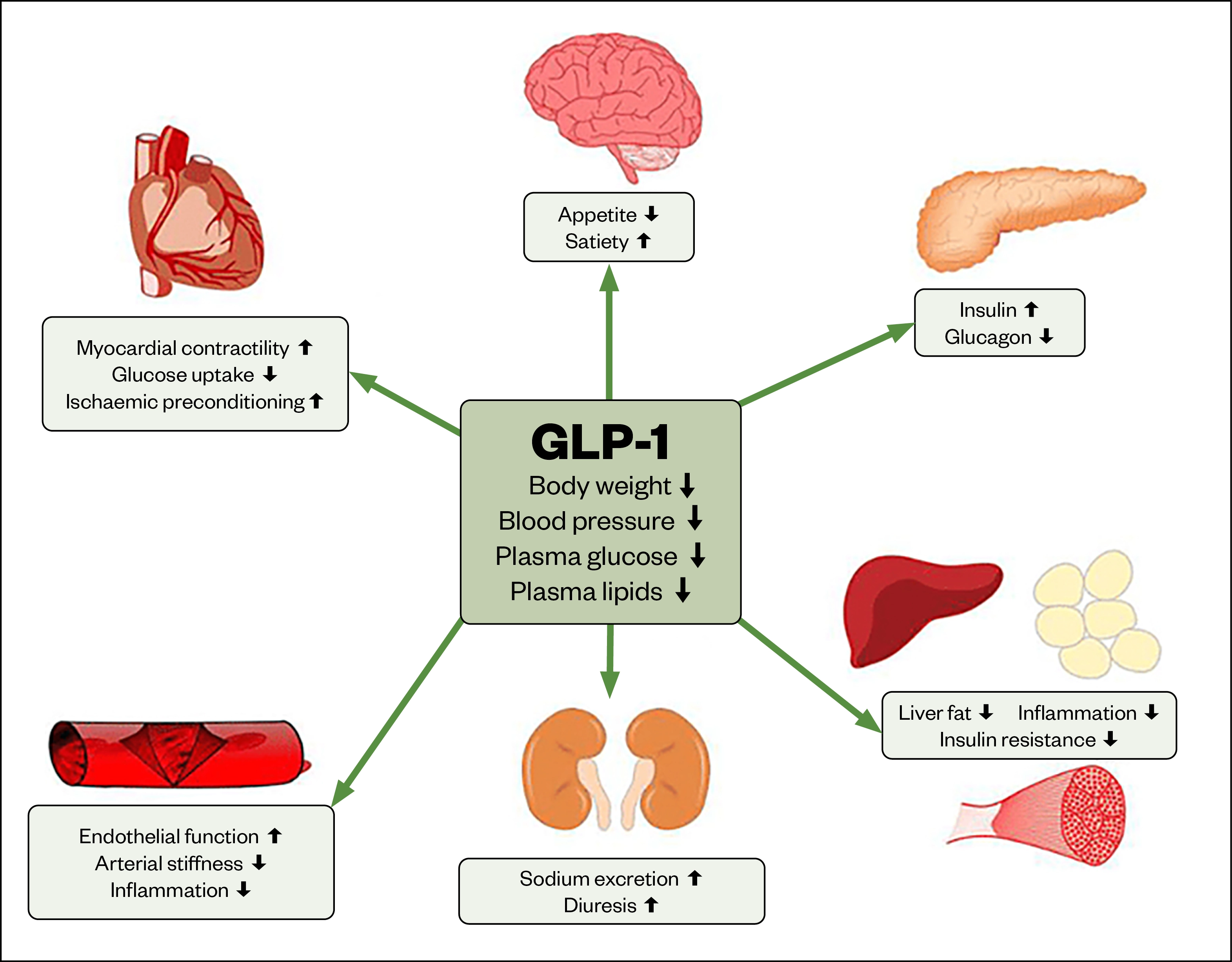
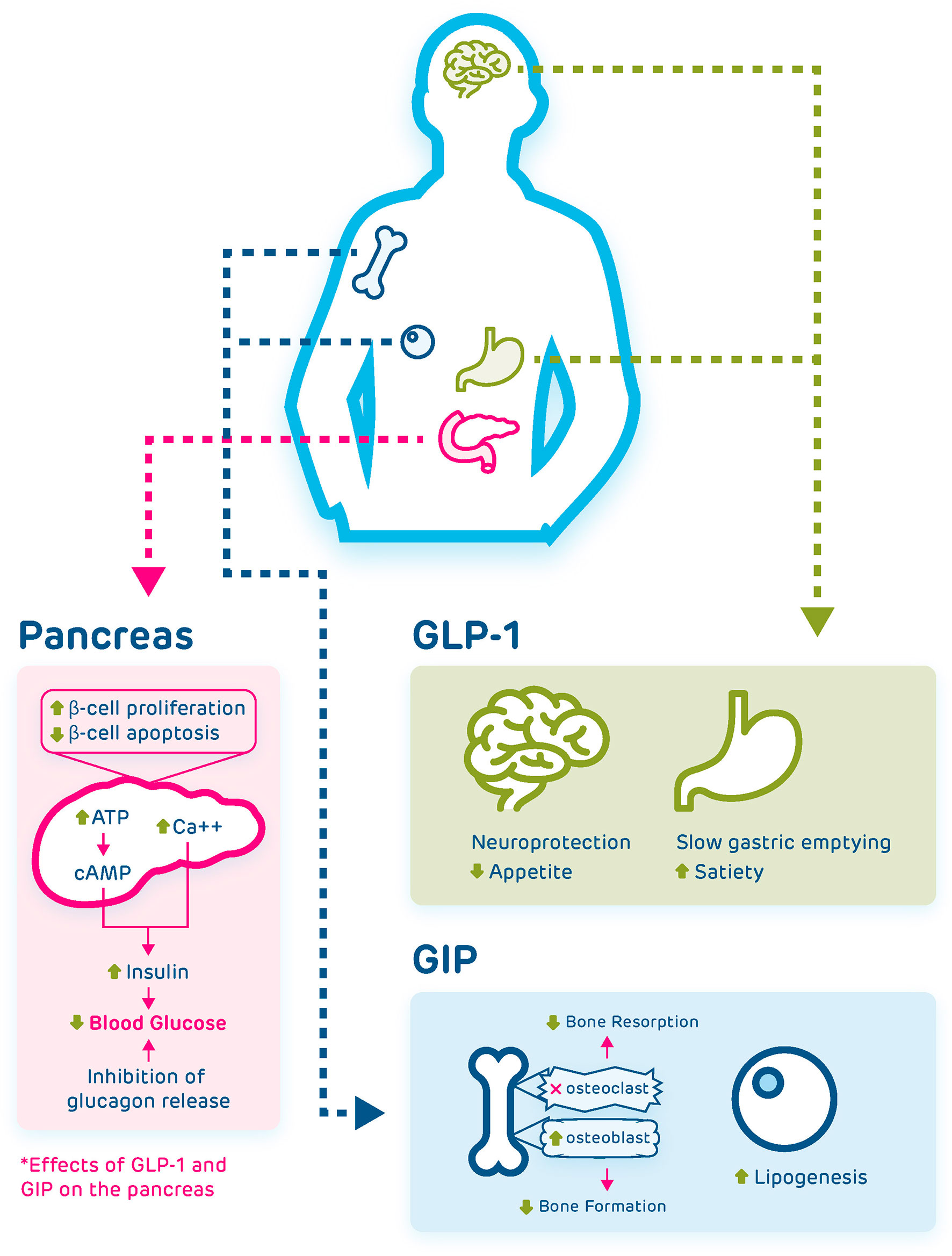
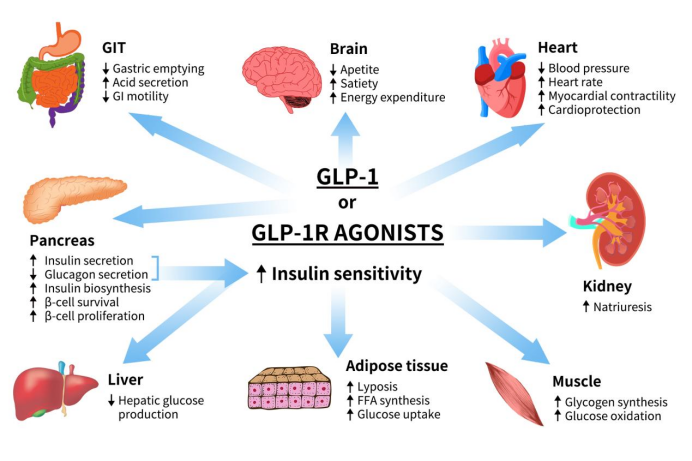
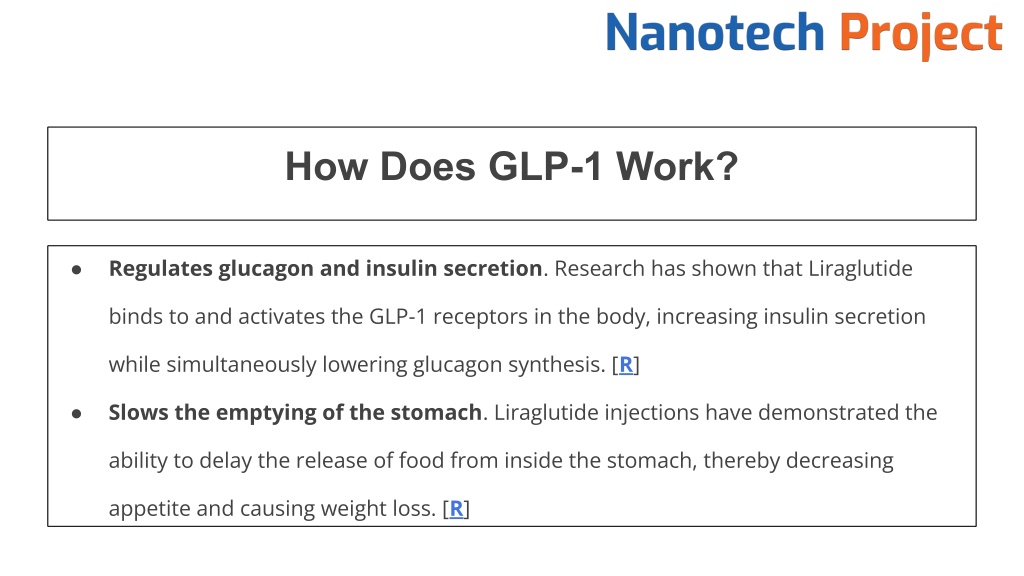
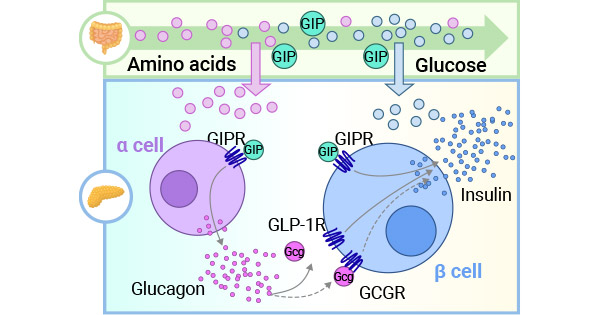
GLP-1 enhances glucose-dependent insulin secretion and reduces glucagon output from pancreatic alpha cells. This sophisticated feedback loop maintains stable blood sugar levels by coordinating insulin and glucagon release in response to food intake. Research has shown that GLP-1 treatments reduce markers of insulin resistance, much of which stems from moderate, consistent weight loss that improves metabolic function.
GLP-1's Role in Improving Peripheral Insulin Sensitivity
While early studies suggested that GLP-1 might not directly improve peripheral insulin sensitivity, more recent evidence demonstrates that GLP-1 receptor agonists do improve insulin resistance through multiple mechanisms. These mechanisms include enhancing insulin signaling pathways and increasing glucose effectiveness, making GLP-1 a crucial player in managing insulin resistance and alleviating symptoms associated with type 2 diabetes.