Unlock the Power of Red Light Therapy: A Guide to Its Benefits and Risks
Red light therapy has been gaining popularity in recent years, with many people turning to it for various health and wellness benefits. But what exactly is red light therapy, and does it really work? In this article, we'll delve into the world of red light therapy, exploring its benefits, risks, and how it works.
What is Red Light Therapy?
Red light therapy, also known as low-level laser therapy (LLLT) or photobiomodulation (PBM), is a non-invasive treatment that uses low levels of red or near-infrared light to stimulate cellular processes. This can lead to a range of benefits, from improved skin health to reduced pain and inflammation.
How Does Red Light Therapy Work?
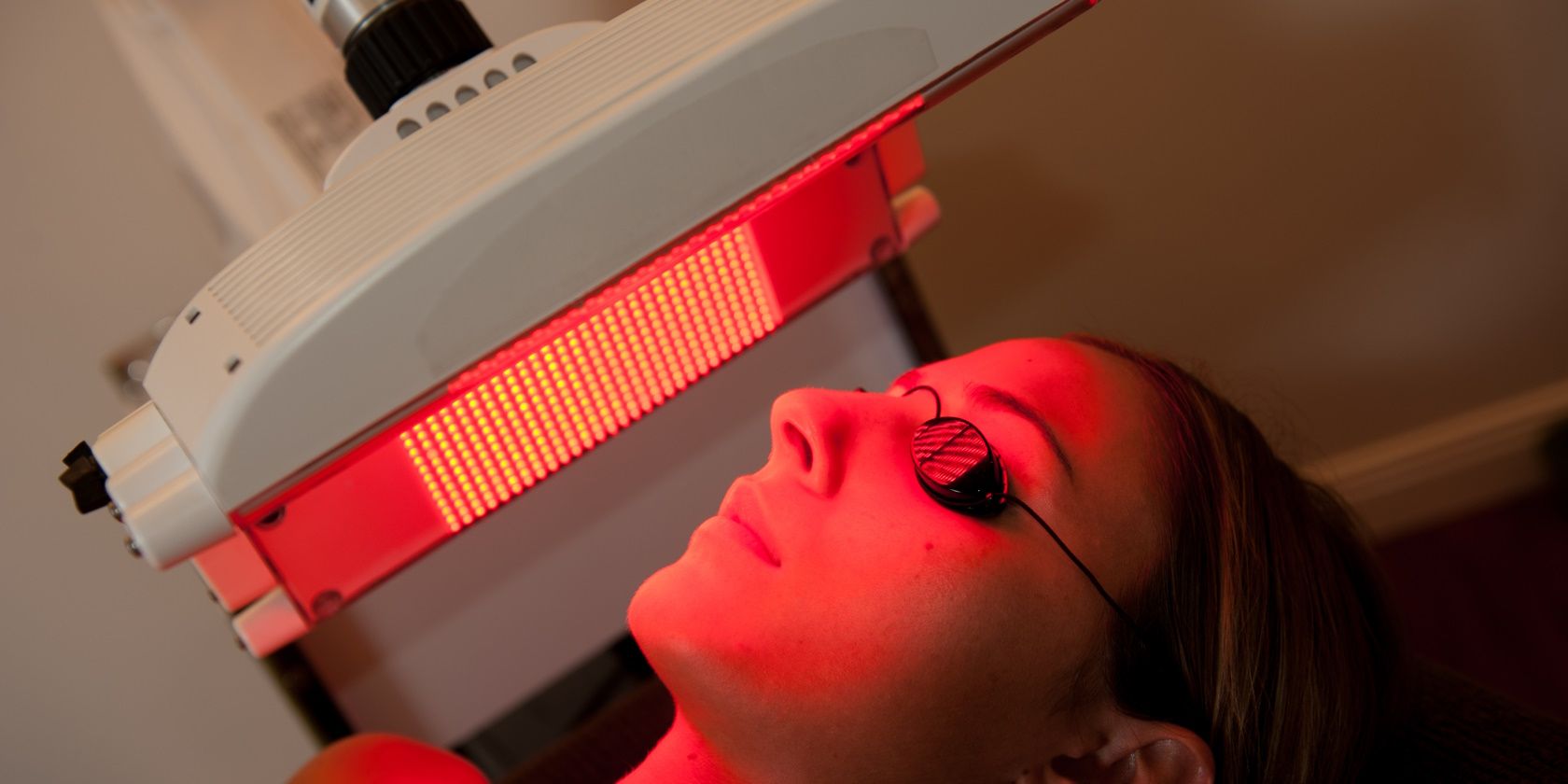
When red light is applied to the skin, it penetrates deep into the tissue, stimulating cellular processes and increasing the production of adenosine triphosphate (ATP), the energy currency of cells. This can lead to increased collagen production, reduced inflammation, and improved skin elasticity.
The Benefits of Red Light Therapy
The benefits of red light therapy are numerous and varied. Some of the most significant advantages include:
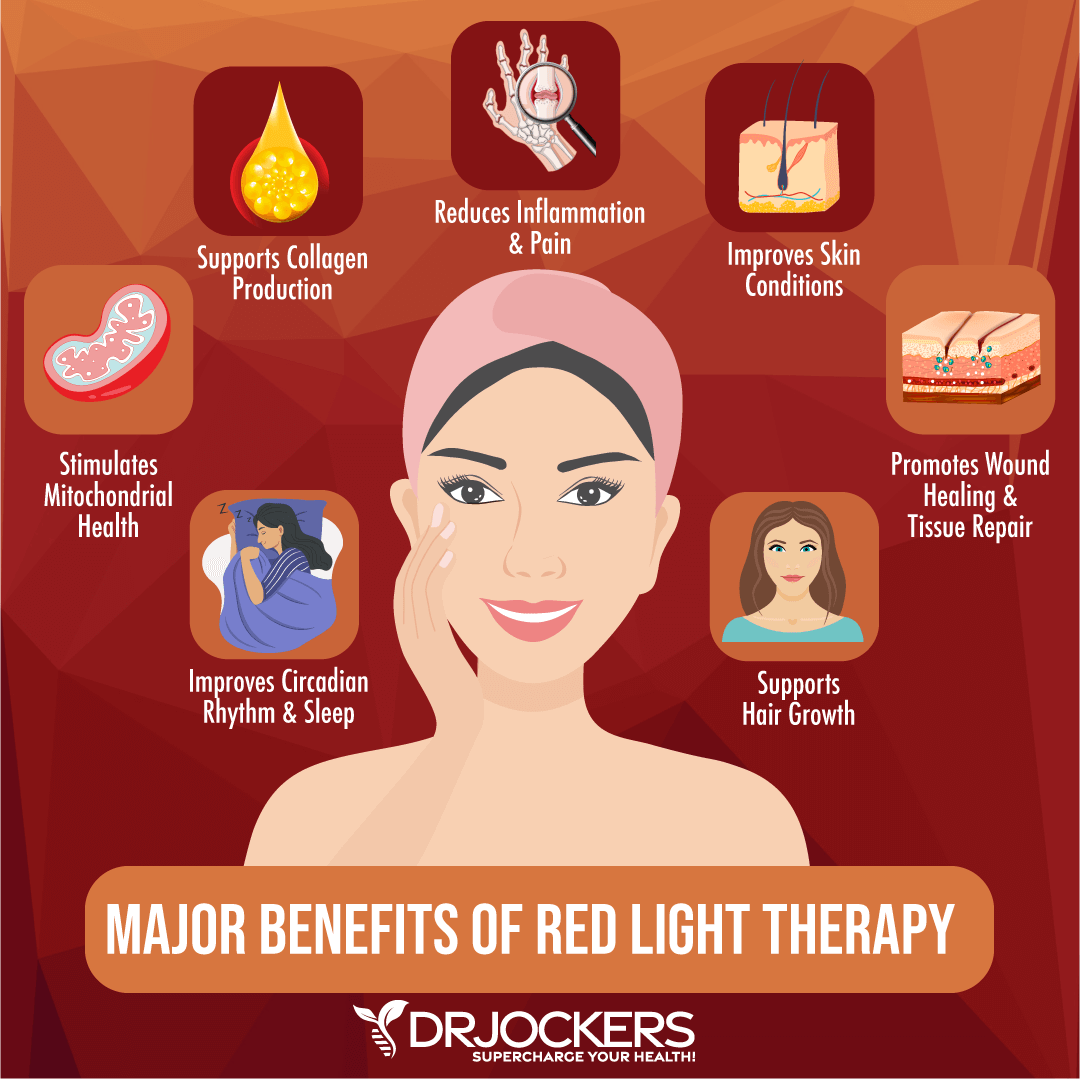
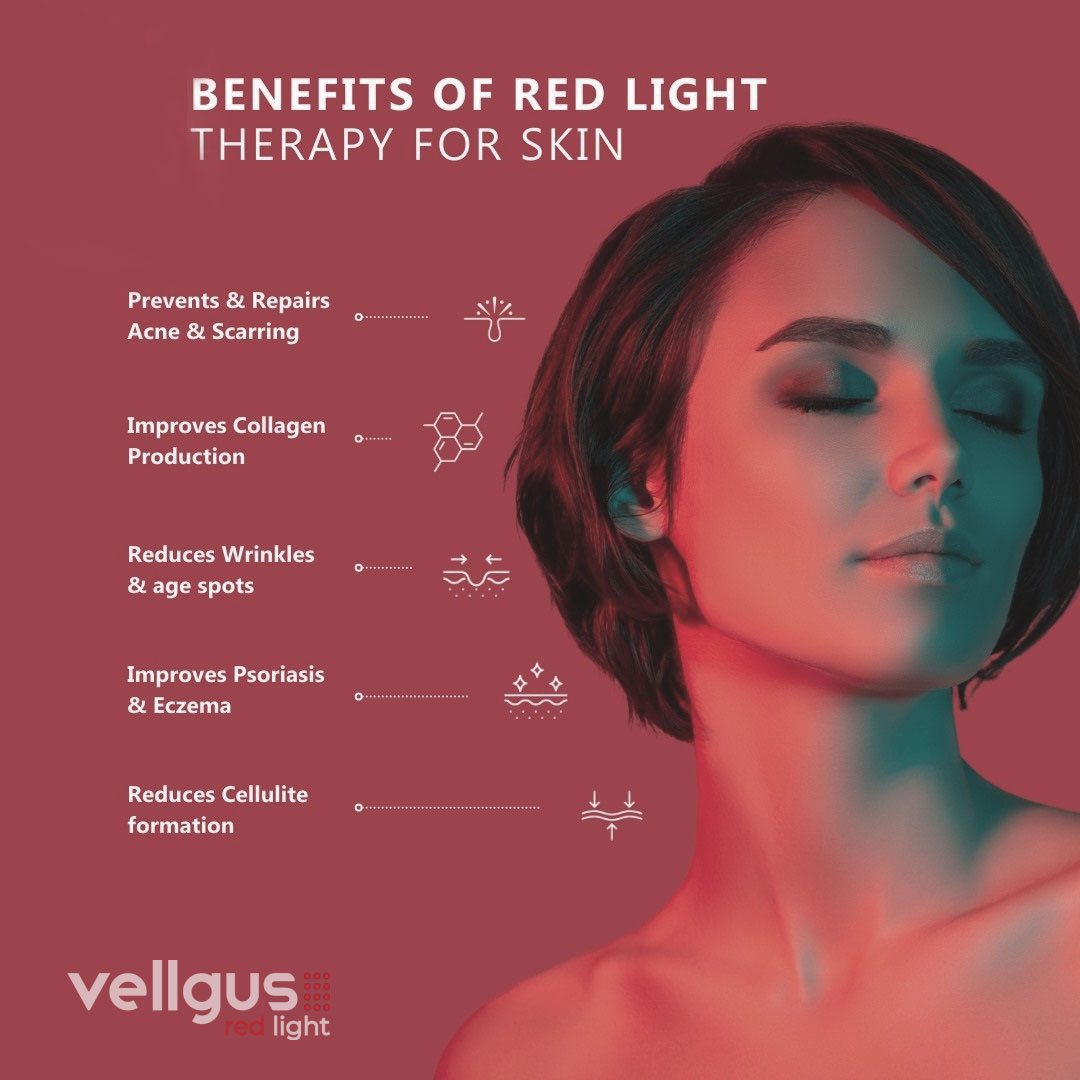
- Improved skin health: Red light therapy can help to reduce wrinkles, fine lines, and age spots, giving the skin a smoother, more youthful appearance.
- Reduced pain and inflammation: Red light therapy has been shown to reduce pain and inflammation in various conditions, including arthritis, fibromyalgia, and muscle strains.
- Improved wound healing: Red light therapy can help to accelerate wound healing by increasing collagen production and improving blood flow.
- Hair growth stimulation: Red light therapy has been shown to stimulate hair growth and reduce hair loss.