The New Jersey Notary Definition: Understanding the Basics
What is a Notary Public in New Jersey?
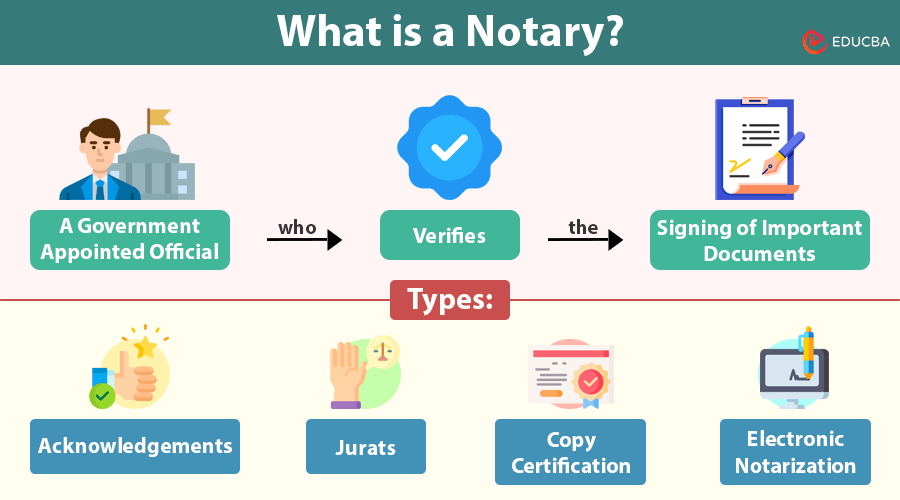
A Notary Public in New Jersey is a public officer constituted by law to serve the public in non-contentious matters related to financial transactions, estates, deeds, powers-of-attorney, and other business activities. The role of a Notary Public is to perform various tasks that help ensure the authenticity and integrity of documents, and to prevent fraud.Key Responsibilities of a New Jersey Notary Publc
A Notary Public in New Jersey is responsible for:- Administering oaths and affirmations
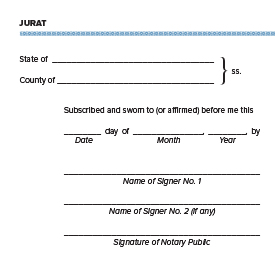
- Witnessing or attesting signatures on documents
- Certifying or attesting copies of documents
- Verifying the identity of signers
- Recording documents in a journal
New Jersey Notary Public Requirements

- Be at least 18 years old
- Be a resident of New Jersey
- Pass a Notary education course and exam
- Submit an application and fee to the Department of State
New Jersey Notary Public Statutes
New Jersey's Notary Public Statutes, also known as Title 52, Chapter 7 of the New Jersey Statutes Annotated, outline the laws and regulations governing the office of Notary Public. The statutes cover topics such as:- The definition of a Notary Public
- The qualifications and duties of a Notary Public
- The procedures for commissioning a Notary Public
- The form and content of Notary Public journals