Mold Remediation for Apartments: A Comprehensive Guide
Mold in apartments is a unique challenge affecting both tenants and landlords. Shared walls, centralized HVAC, and varying maintenance standards can allow mold to spread quickly and quietly. This guide covers common causes, how to spot mold, who is responsible for remediation, safe removal steps, legal considerations, and practical prevention tips—all tailored for rental scenarios.
Causes and Prevention of Mold in Apartments
- Shared walls and communal areas between apartments can lead to cross-contamination and mold growth.
- Poor ventilation, high humidity, and water damage are common causes of mold growth in apartments.
- Appliances, such as dishwashers and refrigerators, can also contribute to mold growth if not properly maintained.
- Regular cleaning and maintenance, as well as proper ventilation, can help prevent mold growth.

Identifying and Removing Mold in Apartments
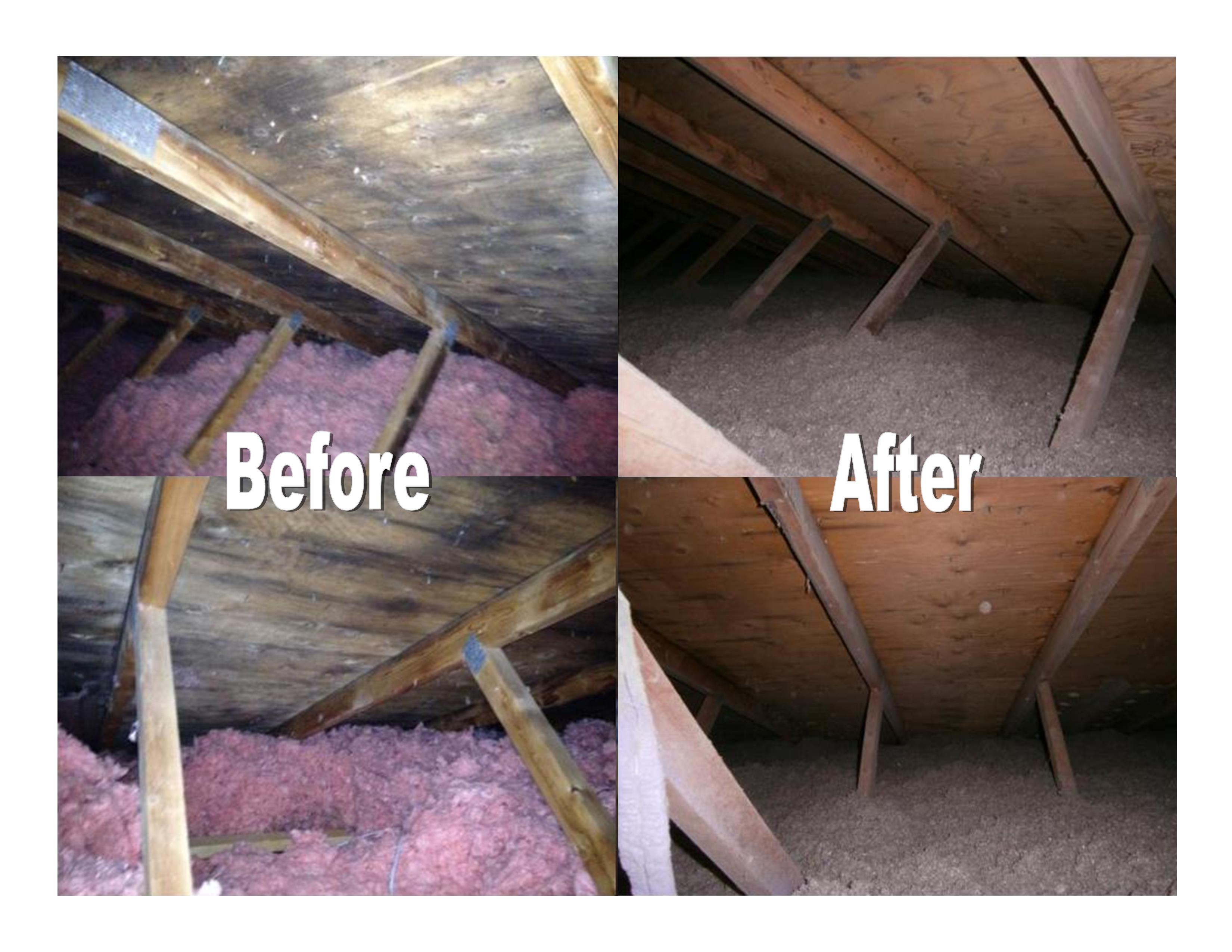
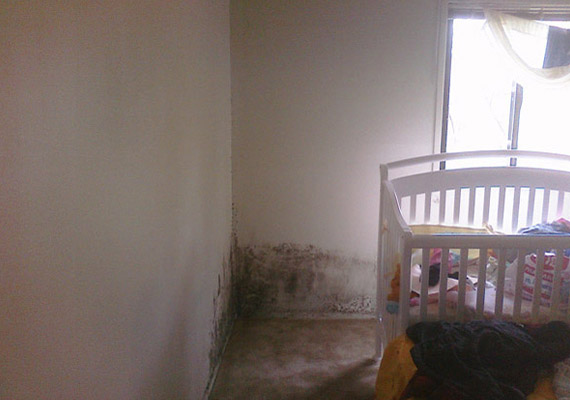
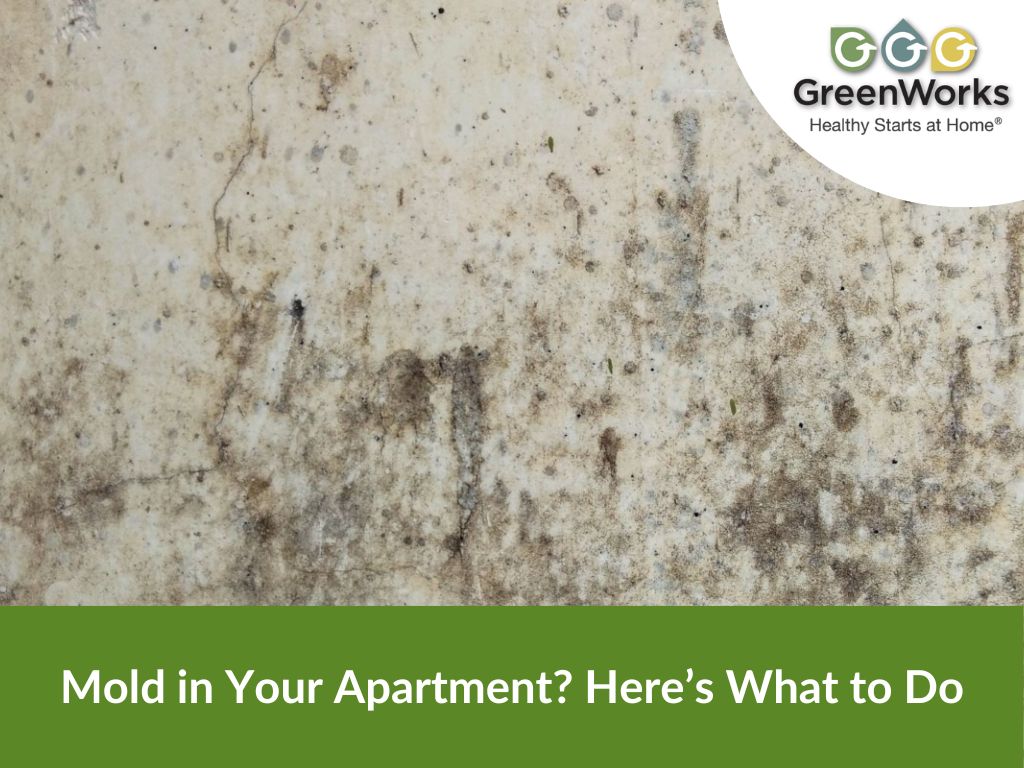
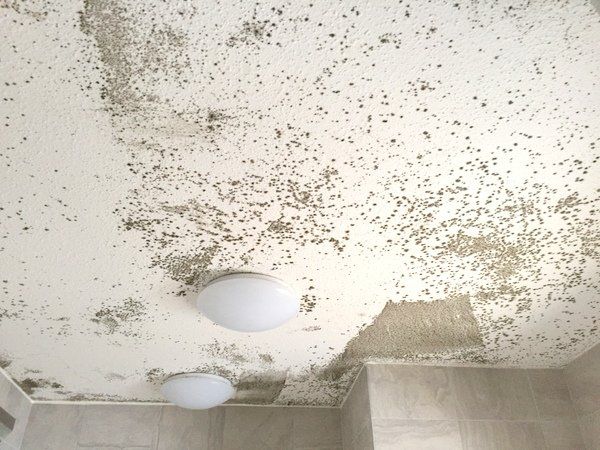
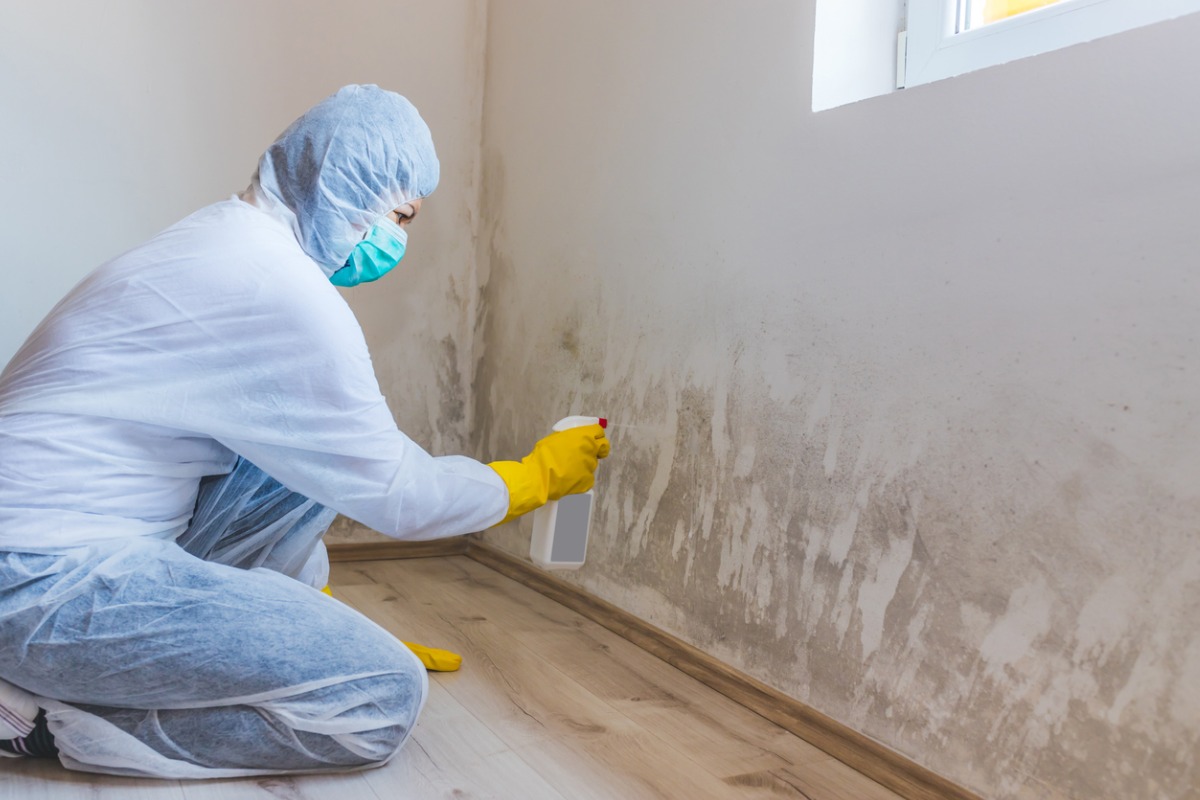
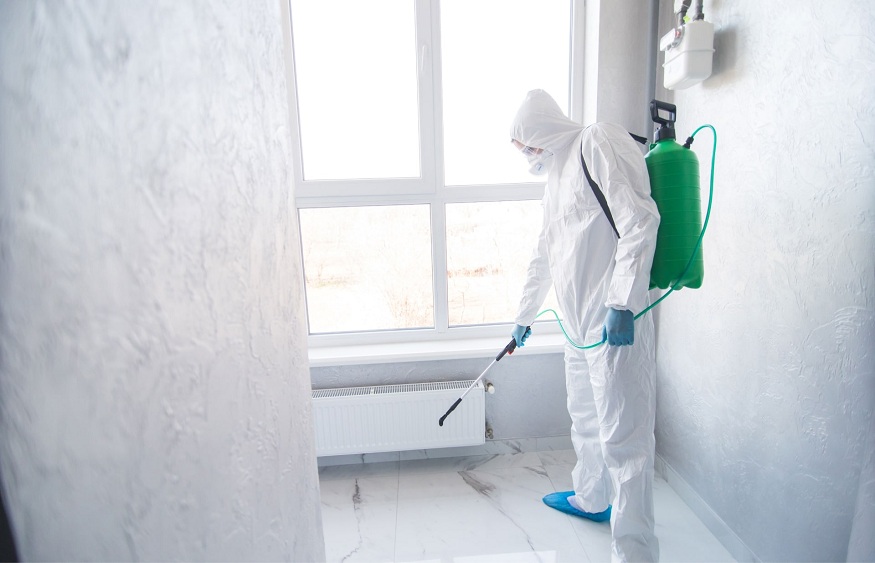
If you suspect mold in your apartment, it's essential to act quickly to prevent further growth and potential health risks. Look for signs of mold, such as: * Visible mold growth or discoloration * Musty odors * Stains or water spots If you find mold, wear protective gear, ventilate the area, and remove the affected materials. However, for serious cases or large areas of mold, it's best to hire a professional remediation company to ensure safe and effective removal.