Intermittent Fasting with GLP 1 for Reduced Inflammation: A Comprehensive Guide
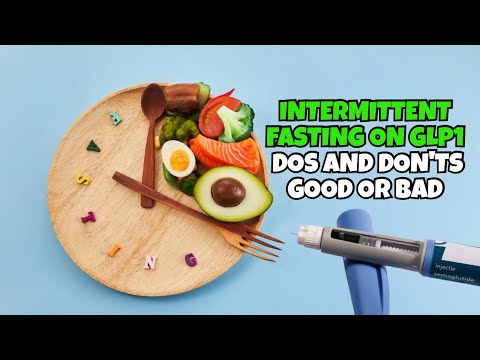
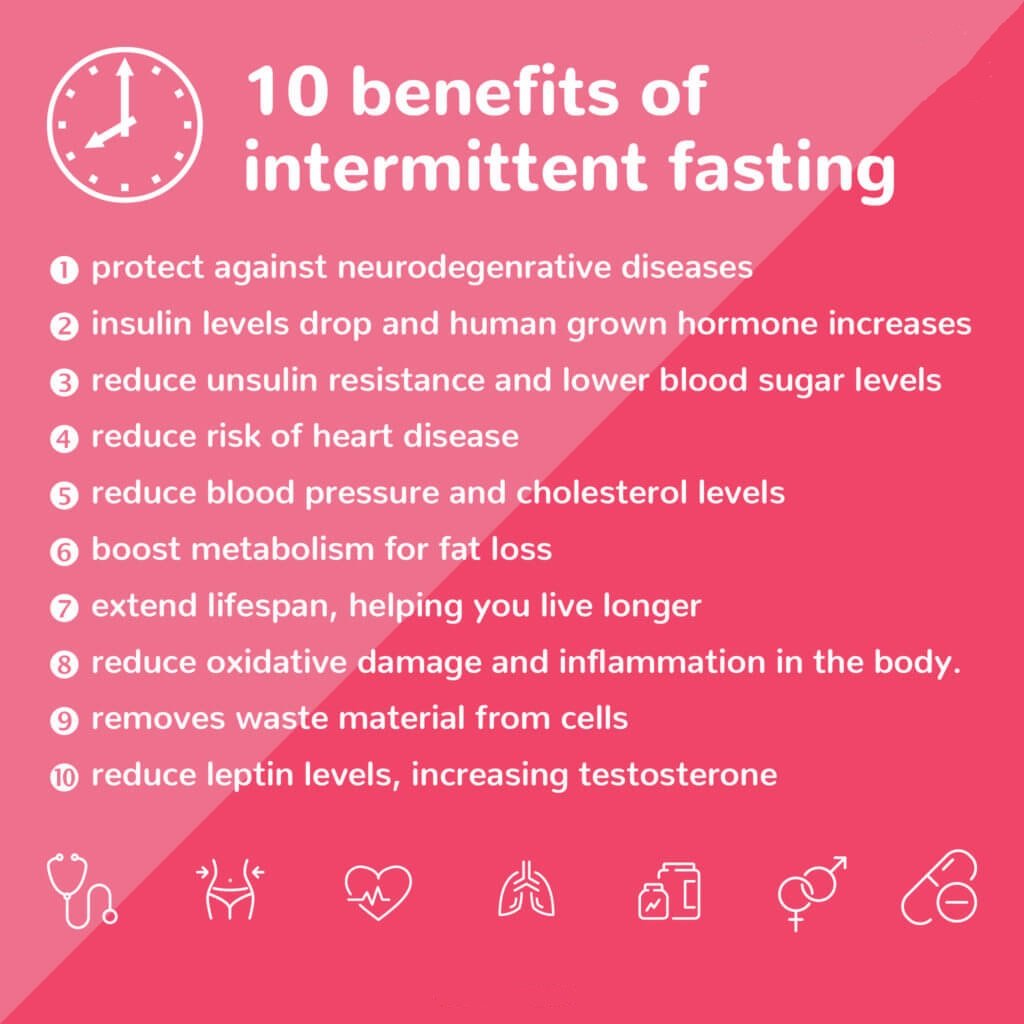
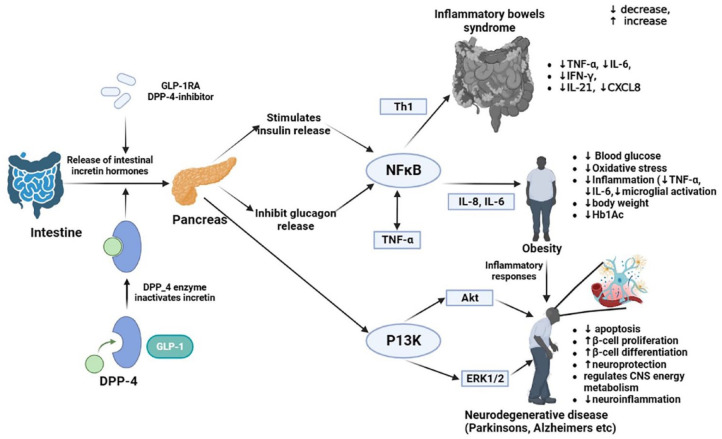
Intermittent fasting (IF) has been gaining popularity as a weight loss strategy, but its benefits extend beyond mere pounds shed. One of the lesser-known advantages of IF is its potential to reduce systemic inflammation, a contributor to various chronic illnesses, including cardiovascular disease and arthritis. In this article, we'll explore the synergistic benefits of combining Intermittent Fasting with GLP 1 for reduced inflammation.
Understanding GLP 1 and Intermittent Fasting
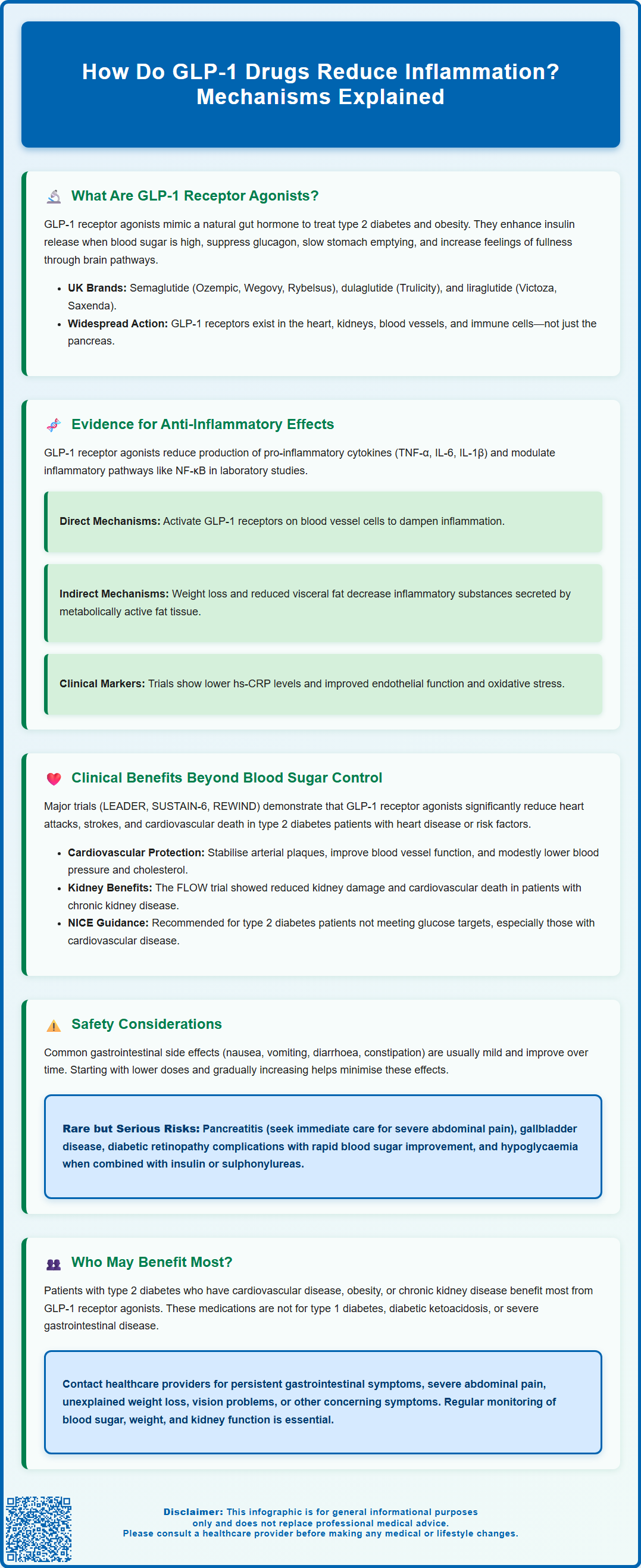
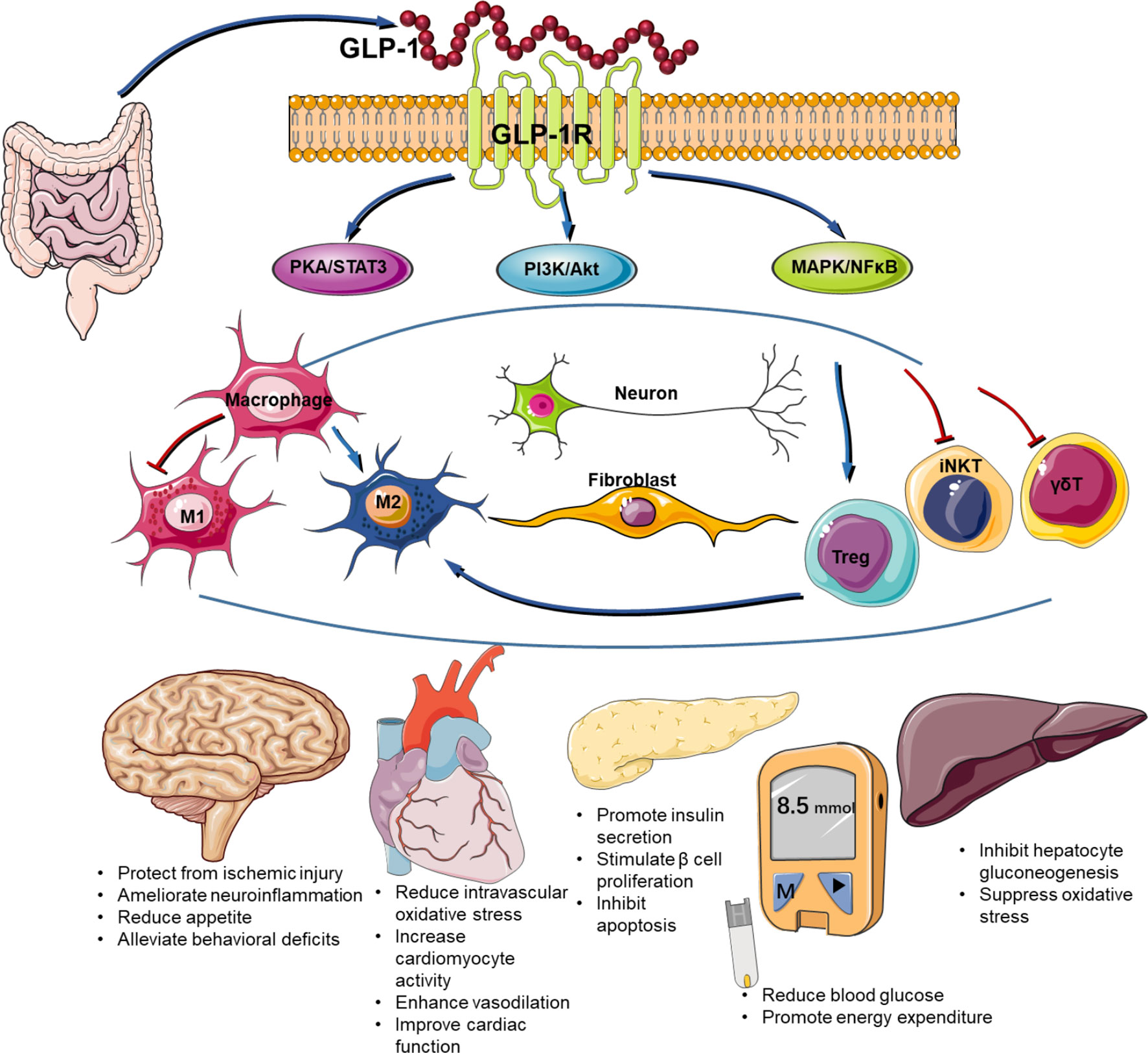
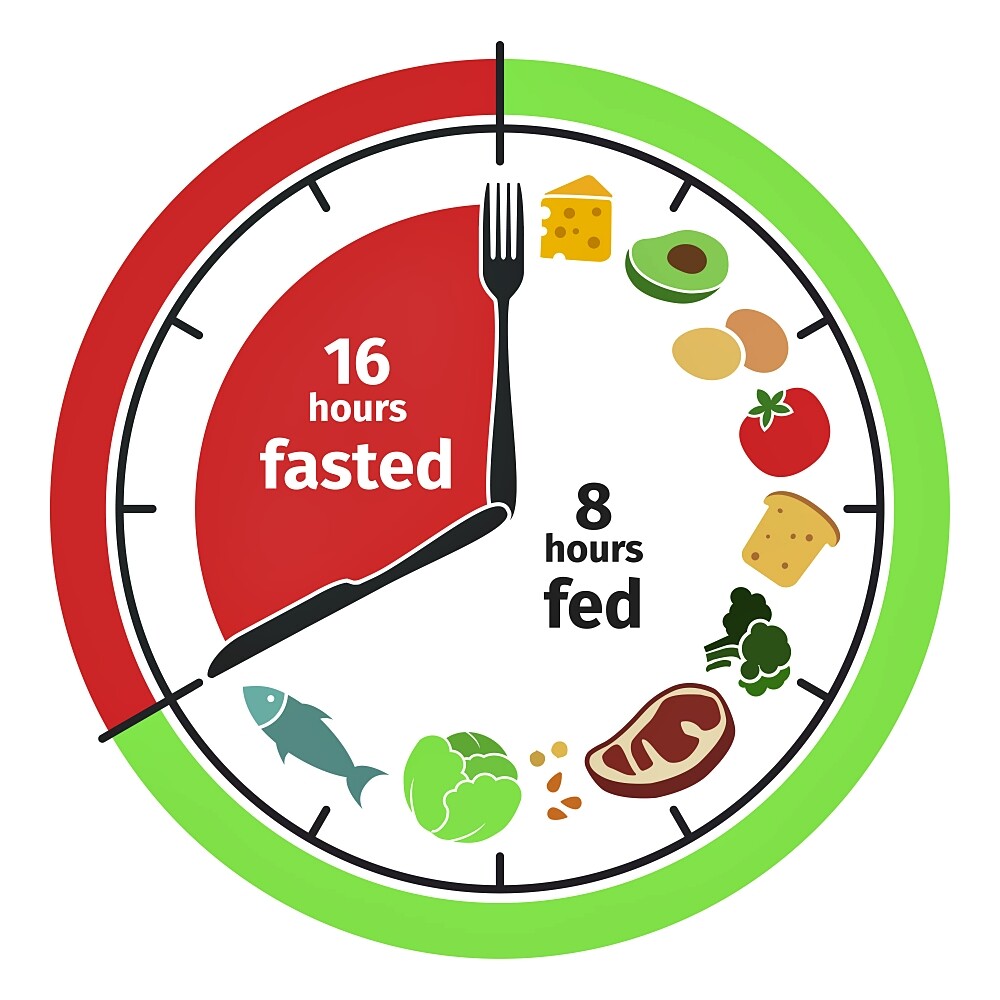
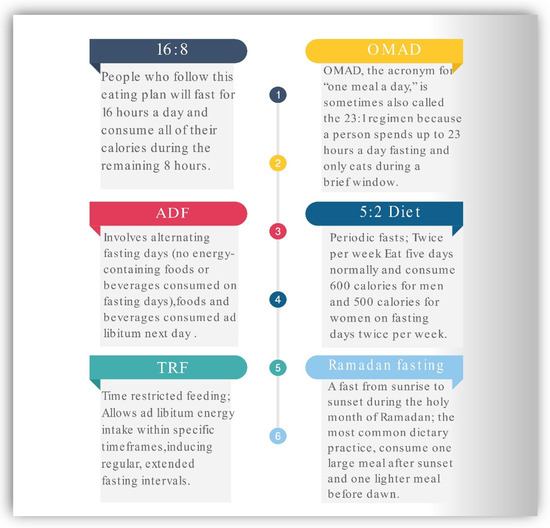
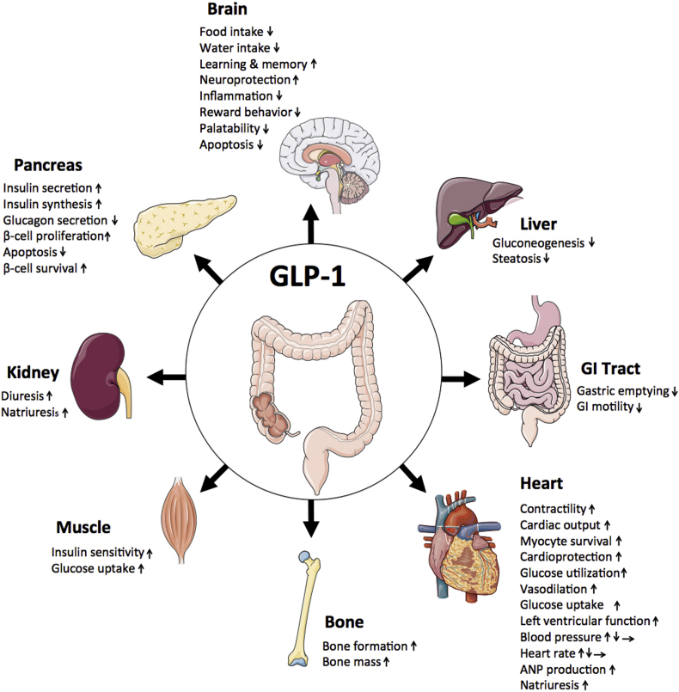
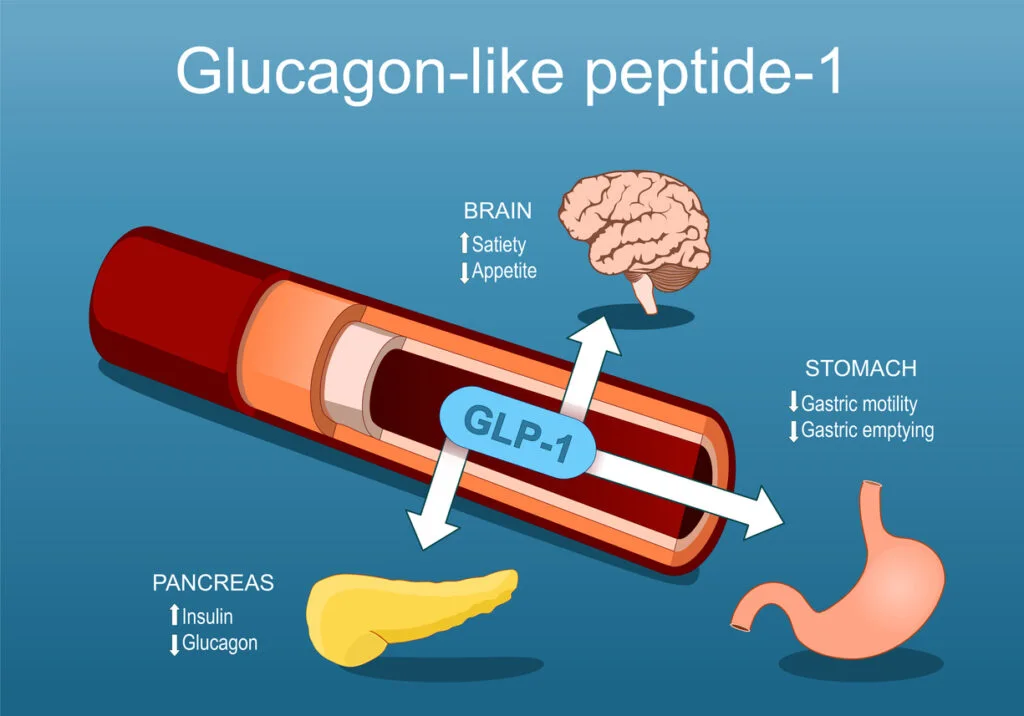
Glucagon-like peptide 1 (GLP 1) is a gastrointestinal hormone that plays a crucial role in glucose metabolism and appetite regulation. When we eat, our gastrointestinal system secretes GLP 1, which helps regulate our appetite, blood sugar levels, and metabolism. Intermittent fasting, on the other hand, is a pattern of eating that involves periods of calorie restriction followed by periods of unrestricted eating.

The relationship between GLP 1 and intermittent fasting is rooted in their shared goal of reducing hunger and improving glucose metabolism. GLP 1, through its appetite-suppressing effects, can make it easier to adopt and maintain an intermittent fasting regimen. At the same time, IF can enhance GLP 1's effects by promoting a more natural, healthier appetite regulation.