Unlock the Power of GLP-1 and Protein to Increase Metabolic Rate
Ever wondered how to boost your metabolism and support weight loss? The answer lies in the intricate dance between gut hormones, specifically glucagon-like peptide-1 (GLP-1), and protein intake. In this article, we'll delve into the fascinating world of GLP-1 and protein and explore how they work together to increase metabolic rate and support weight loss.
The Power of GLP-1
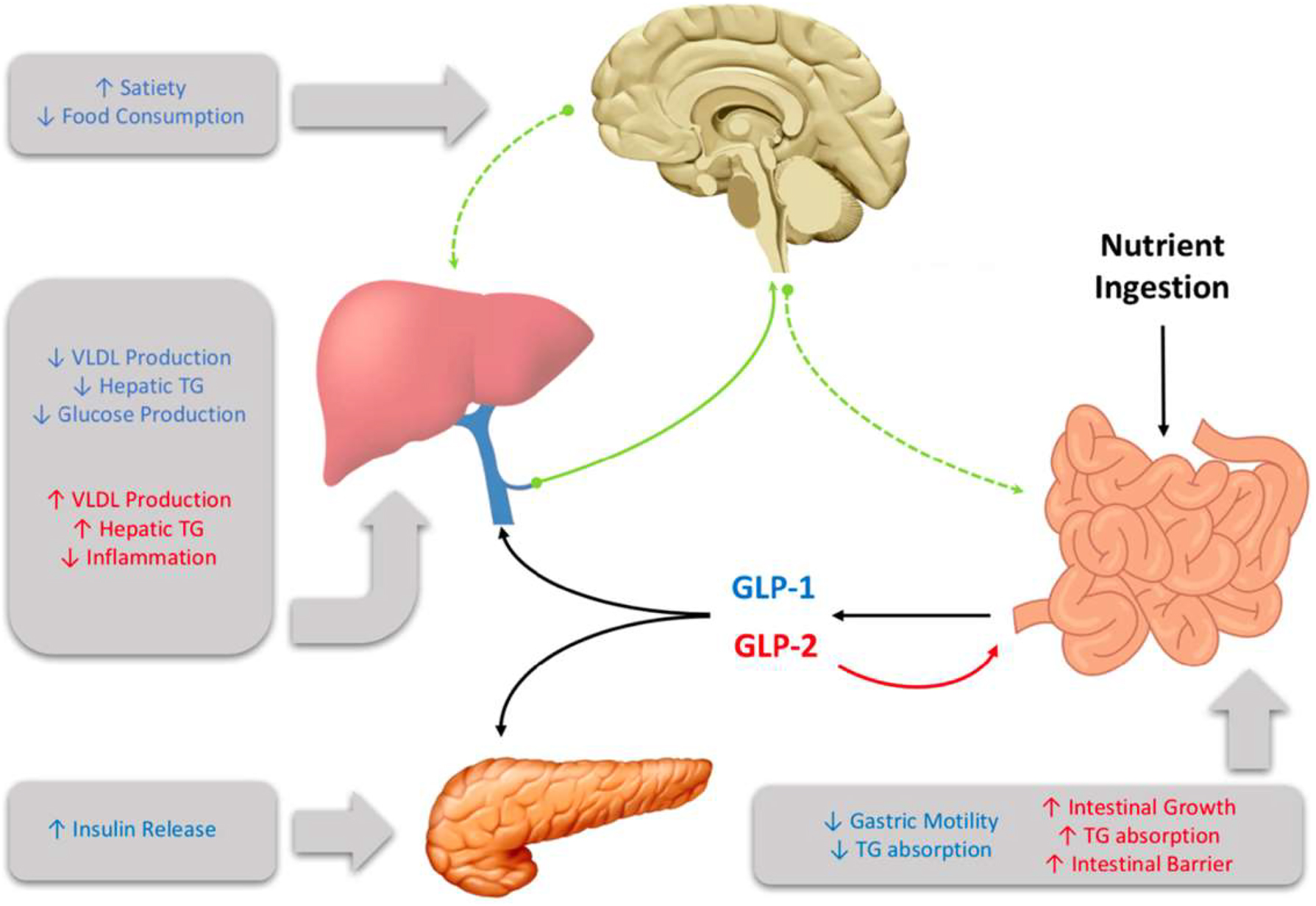
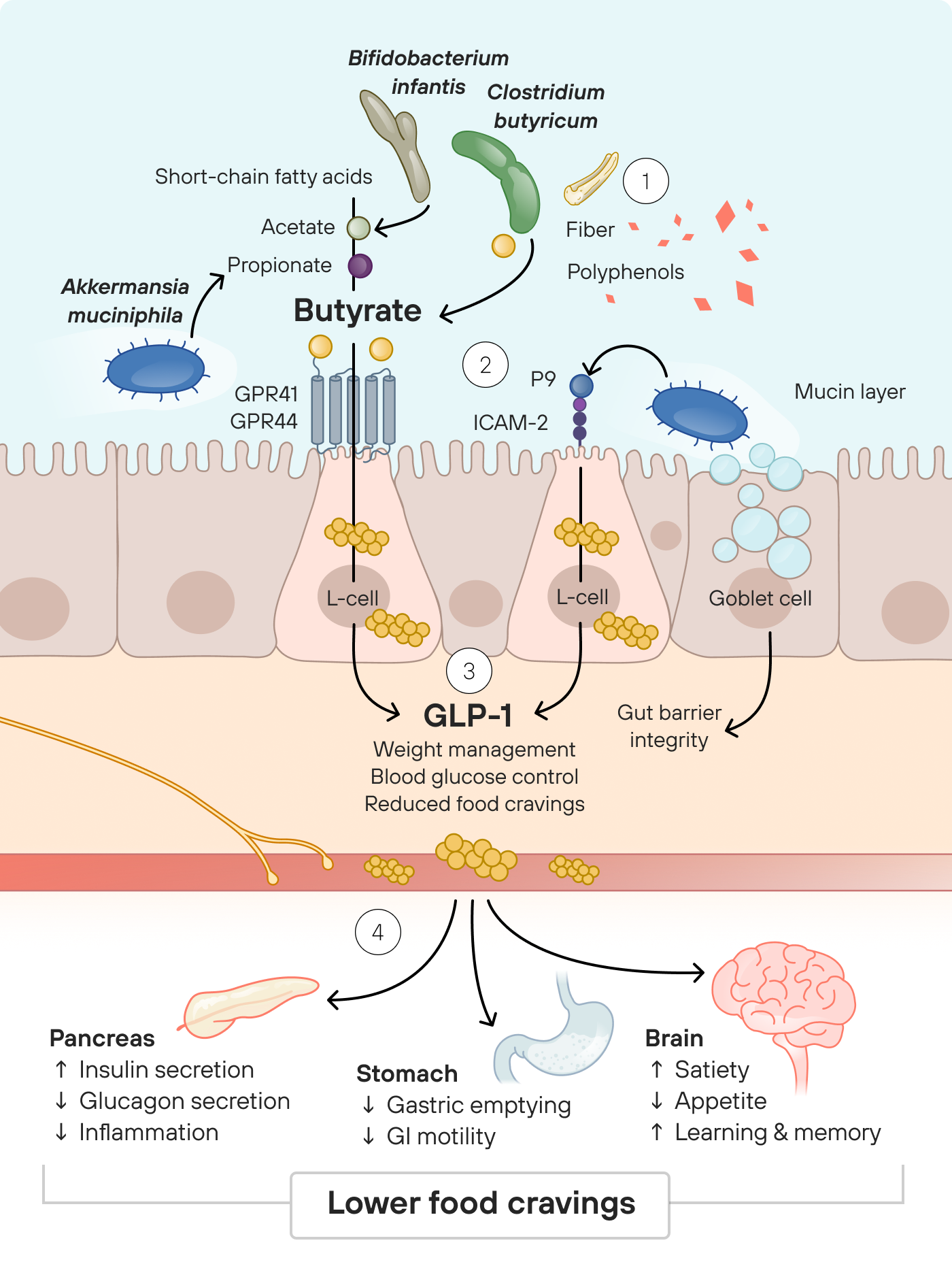
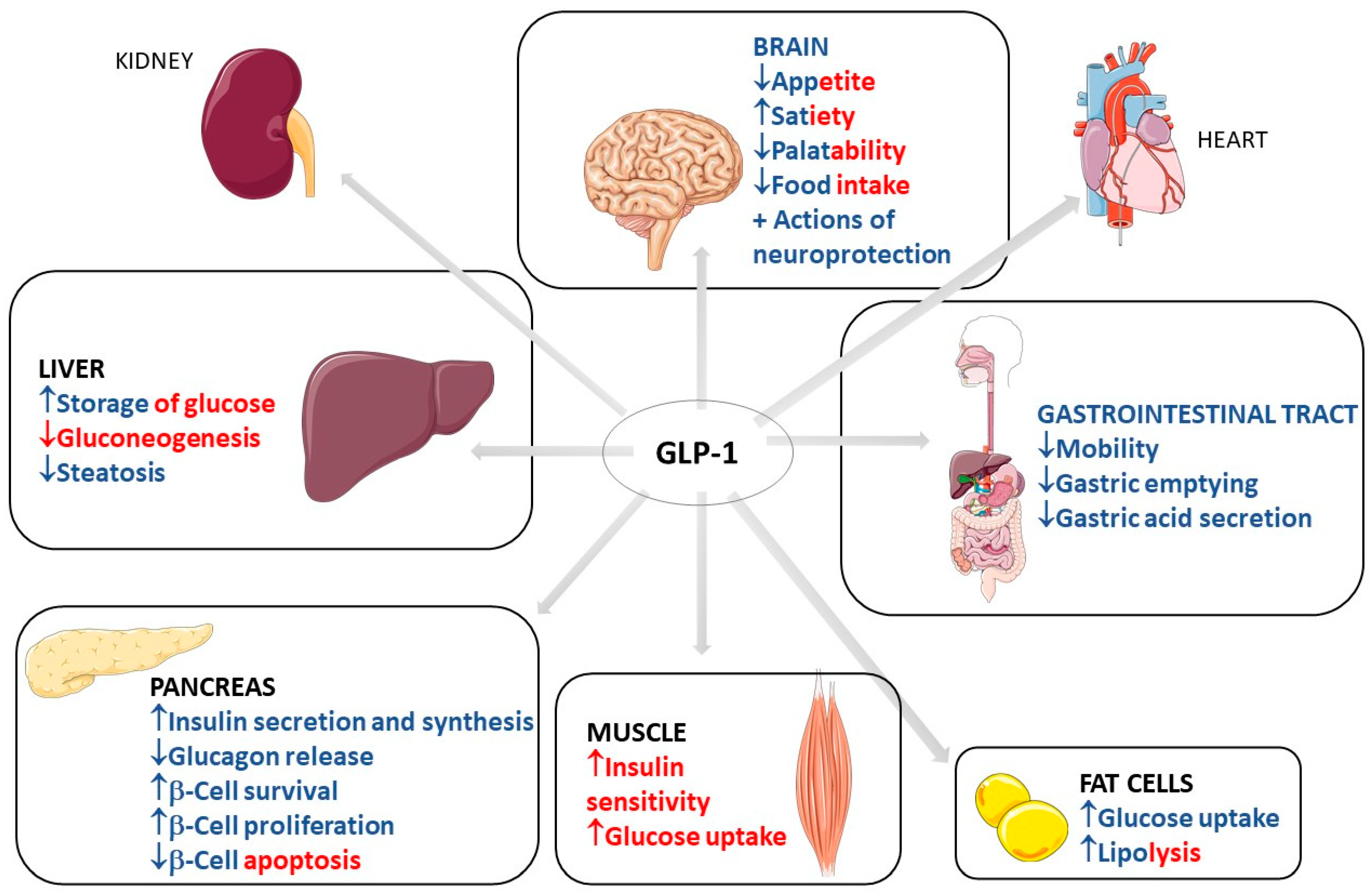
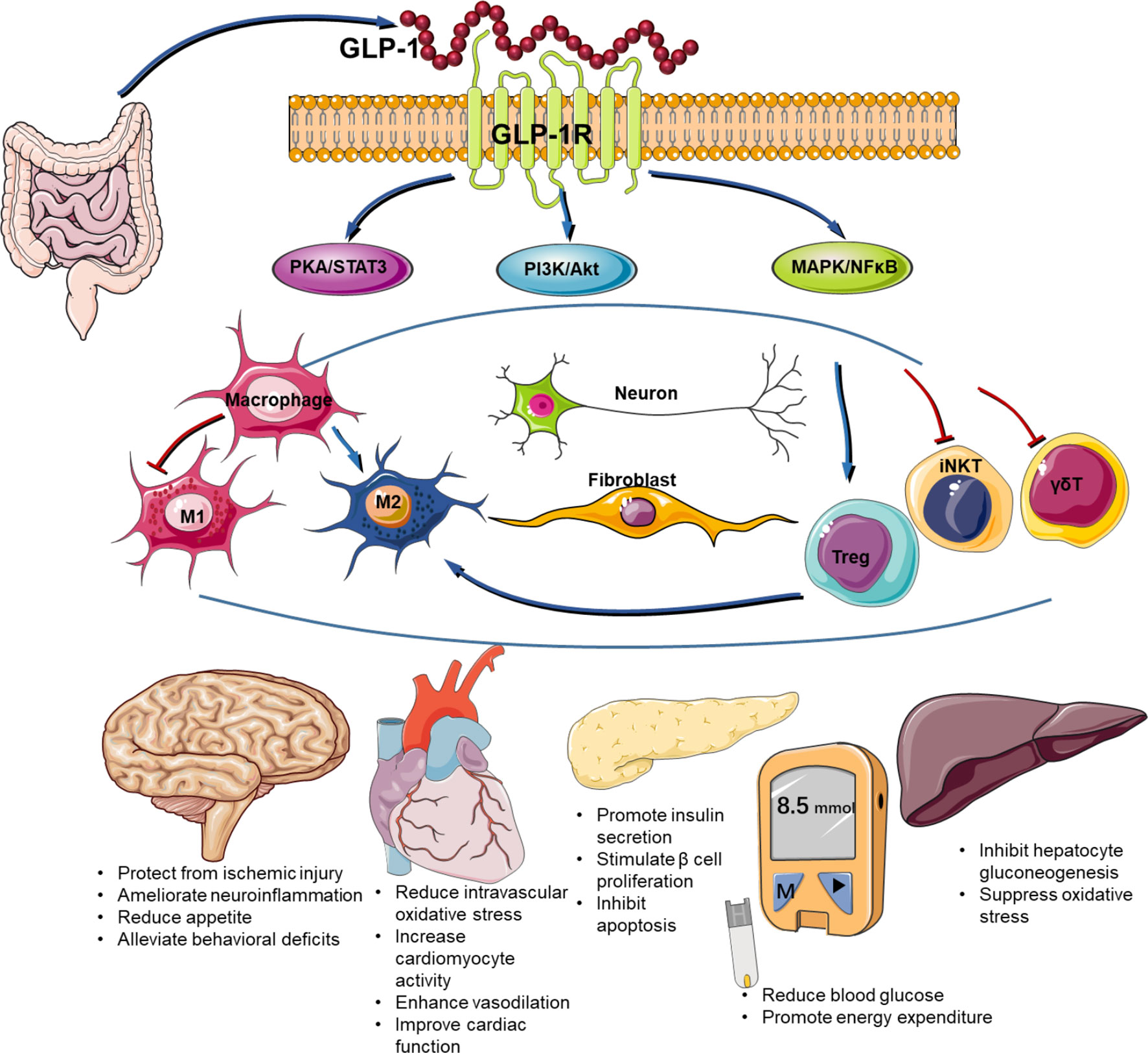
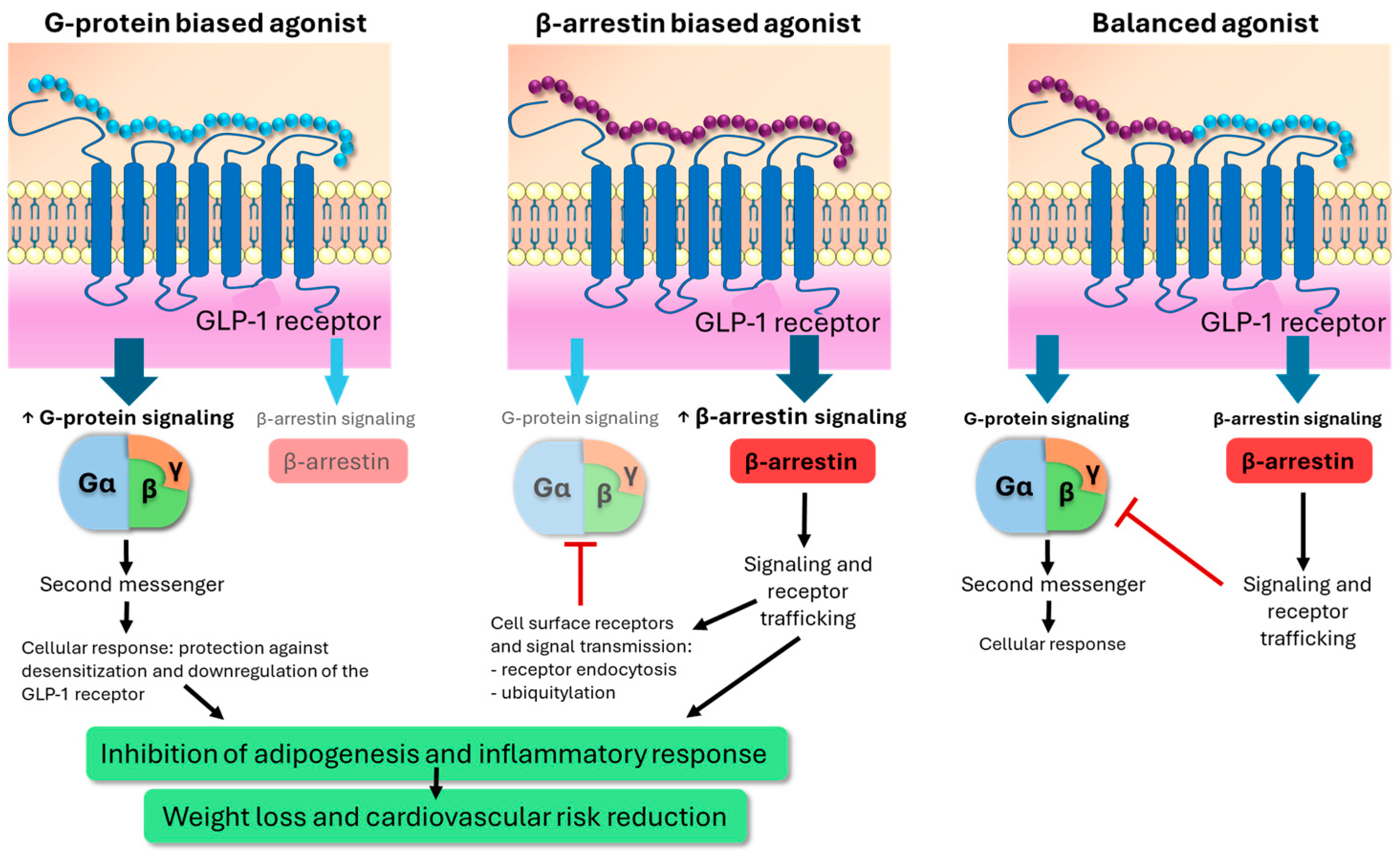
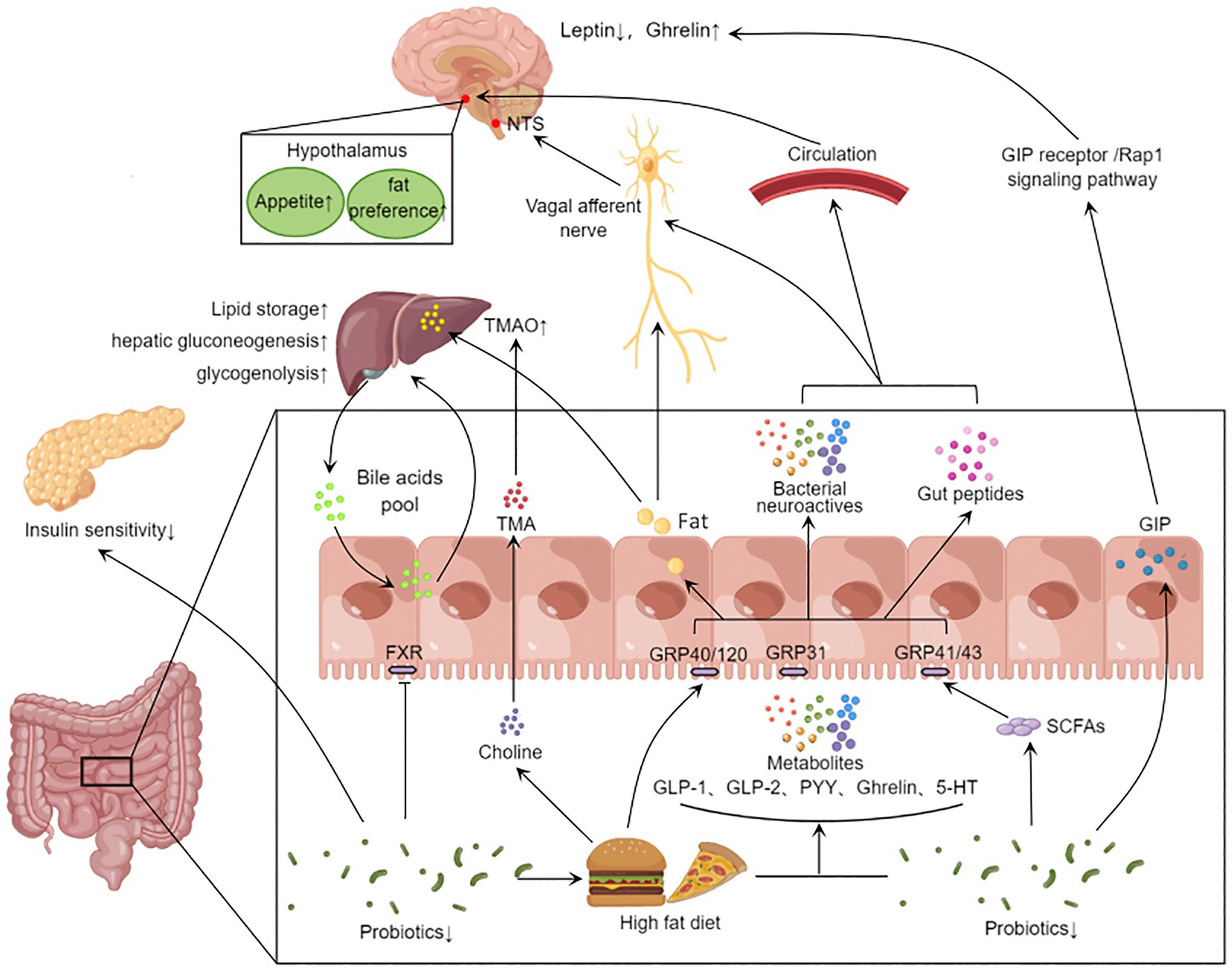
GLP-1 is an enterohormone produced in the intestinal tract in response to nutrient intake, particularly glucose, fat, and amino acids. It plays a crucial role in regulating postprandial glucose homeostasis and has a significant impact on insulin secretion and gut function. When it comes to weight loss, GLP-1 has been shown to enhance satiety, improve blood sugar balance, and lower appetite.
The Importance of Protein

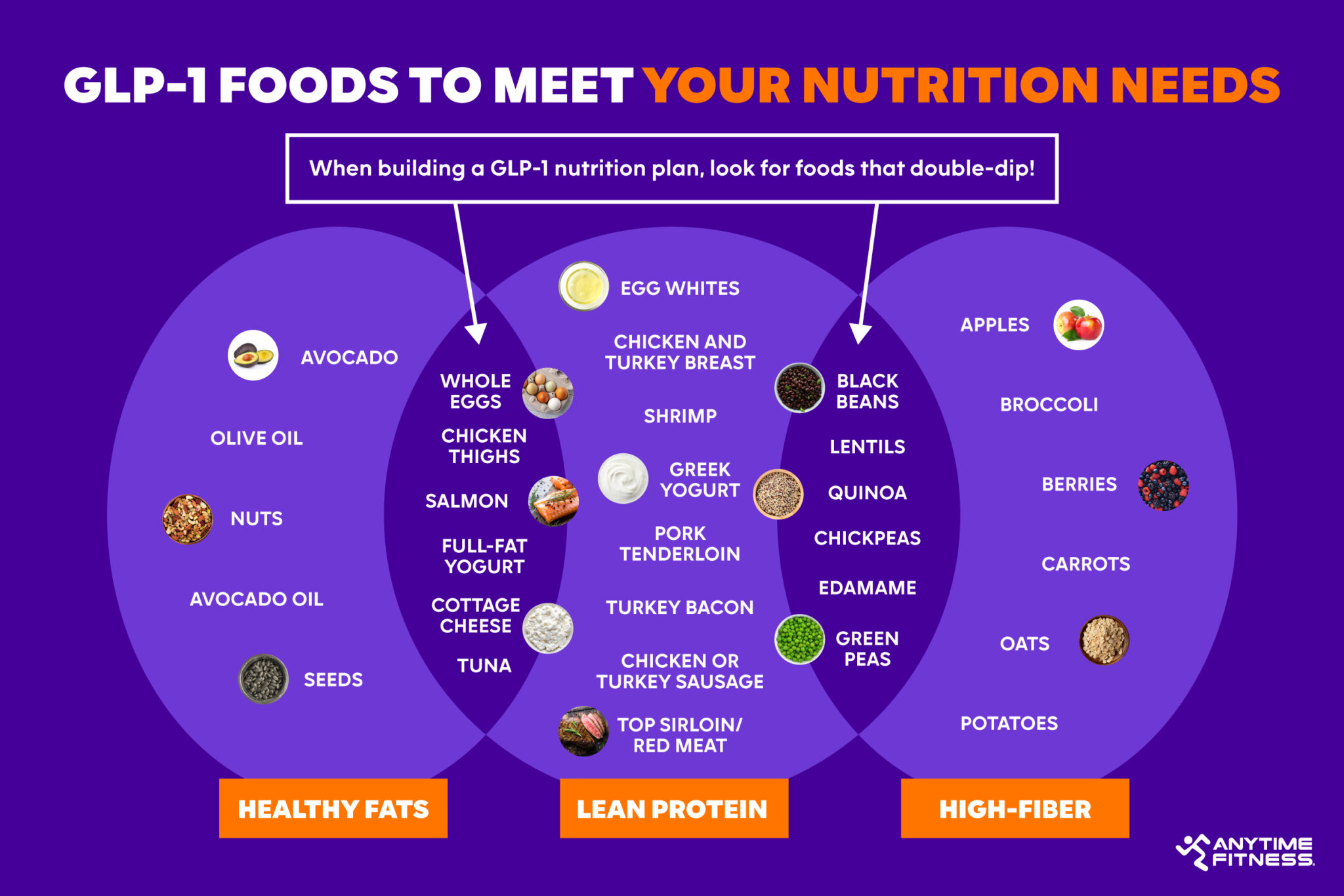
Protein is another crucial player in the game of weight loss. It not only helps build and preserve muscle mass but also has a higher thermic effect than fats or carbohydrates, increasing energy expenditure and supporting daily calorie burn. When it comes to GLP-1, protein intake has been shown to stimulate GLP-1 secretion and improve glucose homeostasis.
The Synergy between GLP-1 and Protein
Research has shown that high-protein meals can increase postprandial GLP-1 levels and improve glucose tolerance. This is because protein stimulates the release of GLP-1 from the intestinal tract, which in turn helps to enhance satiety and improve blood sugar balance. Furthermore, the thermic effect of protein can help increase energy expenditure, supporting weight loss.