Understanding the Role of GLP-1 Receptor Agonists in Weight Loss Studies
The management of obesity has evolved significantly with the introduction of glucagon-like peptide-1 receptor agonists (GLP-1 RAs). These medications have revolutionized the treatment of obesity, not only by promoting significant weight loss but also by regulating metabolic functions, including blood sugar levels, appetite, and insulin sensitivity. In this article, we will delve into the world of GLP-1 RAs and explore their impact on weight loss studies.
What are GLP-1 Receptor Agonists?
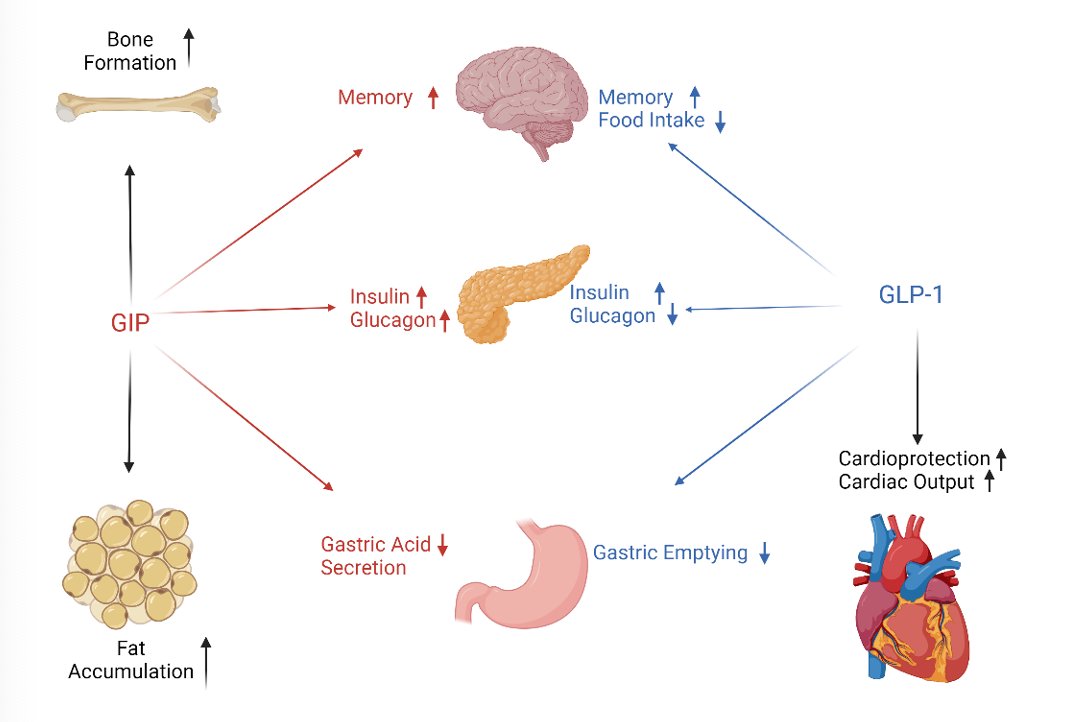
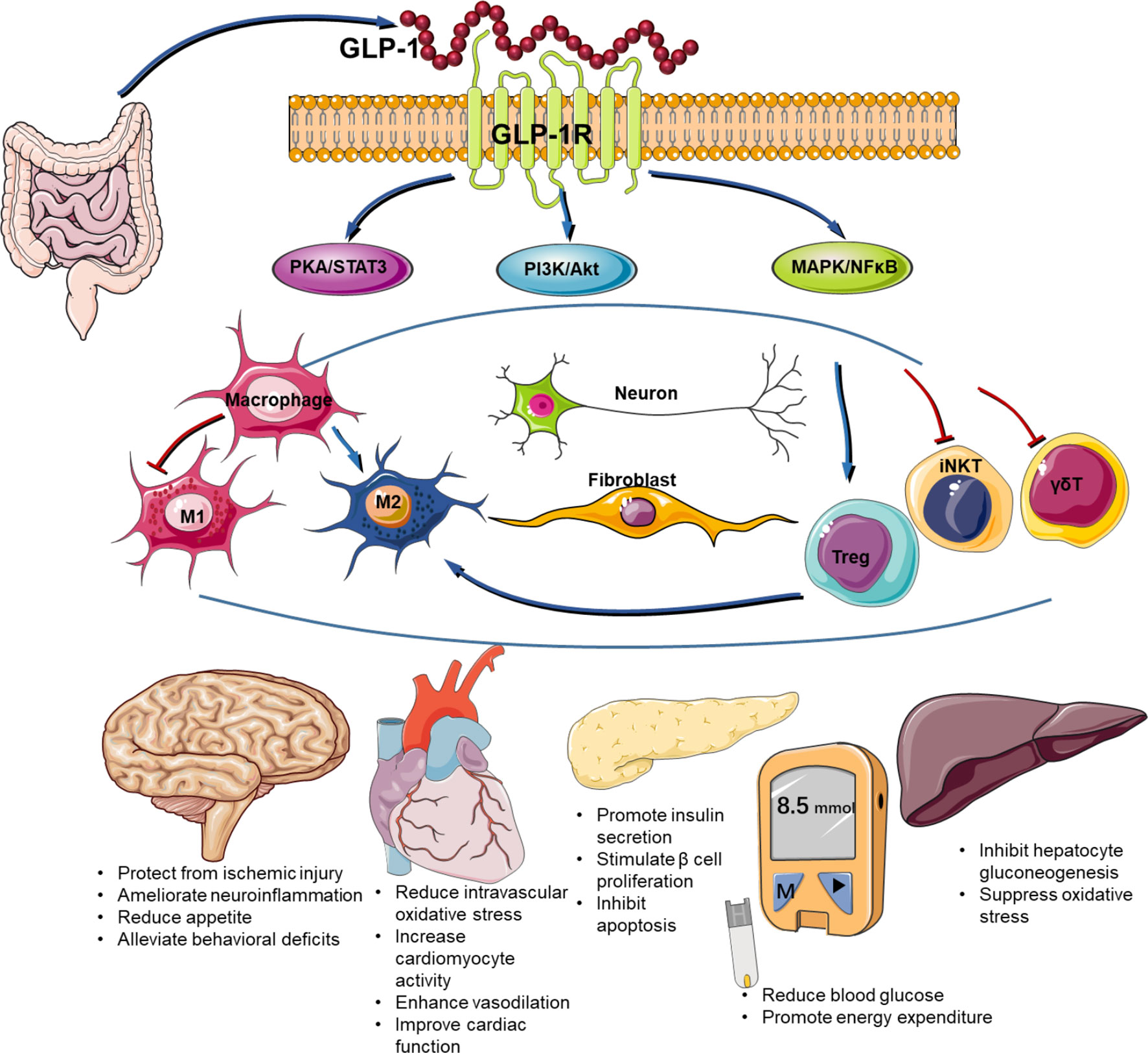
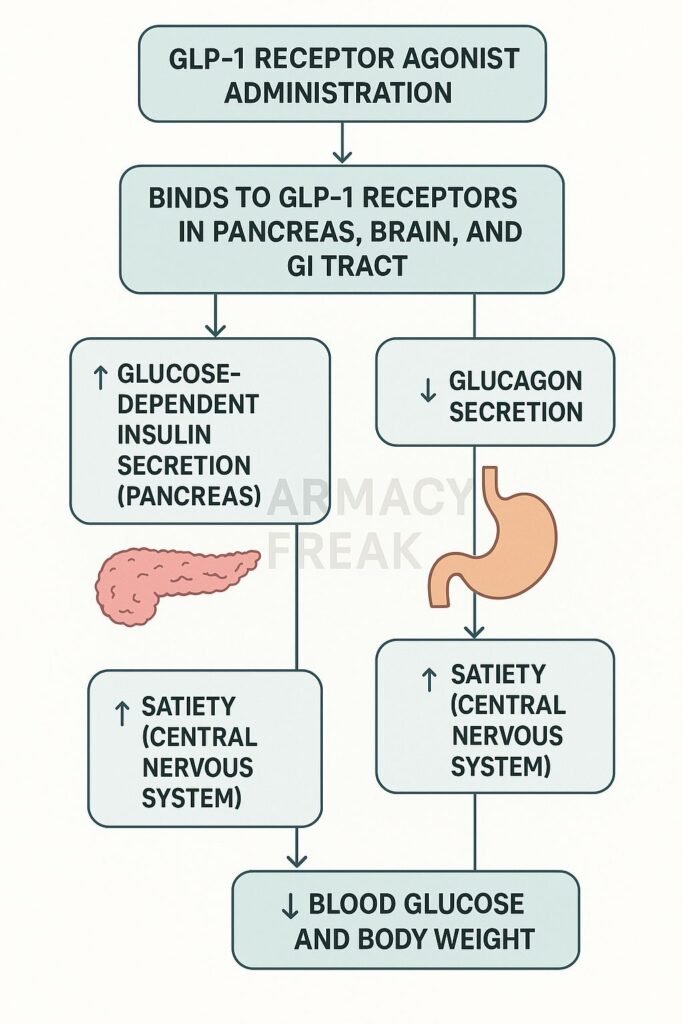
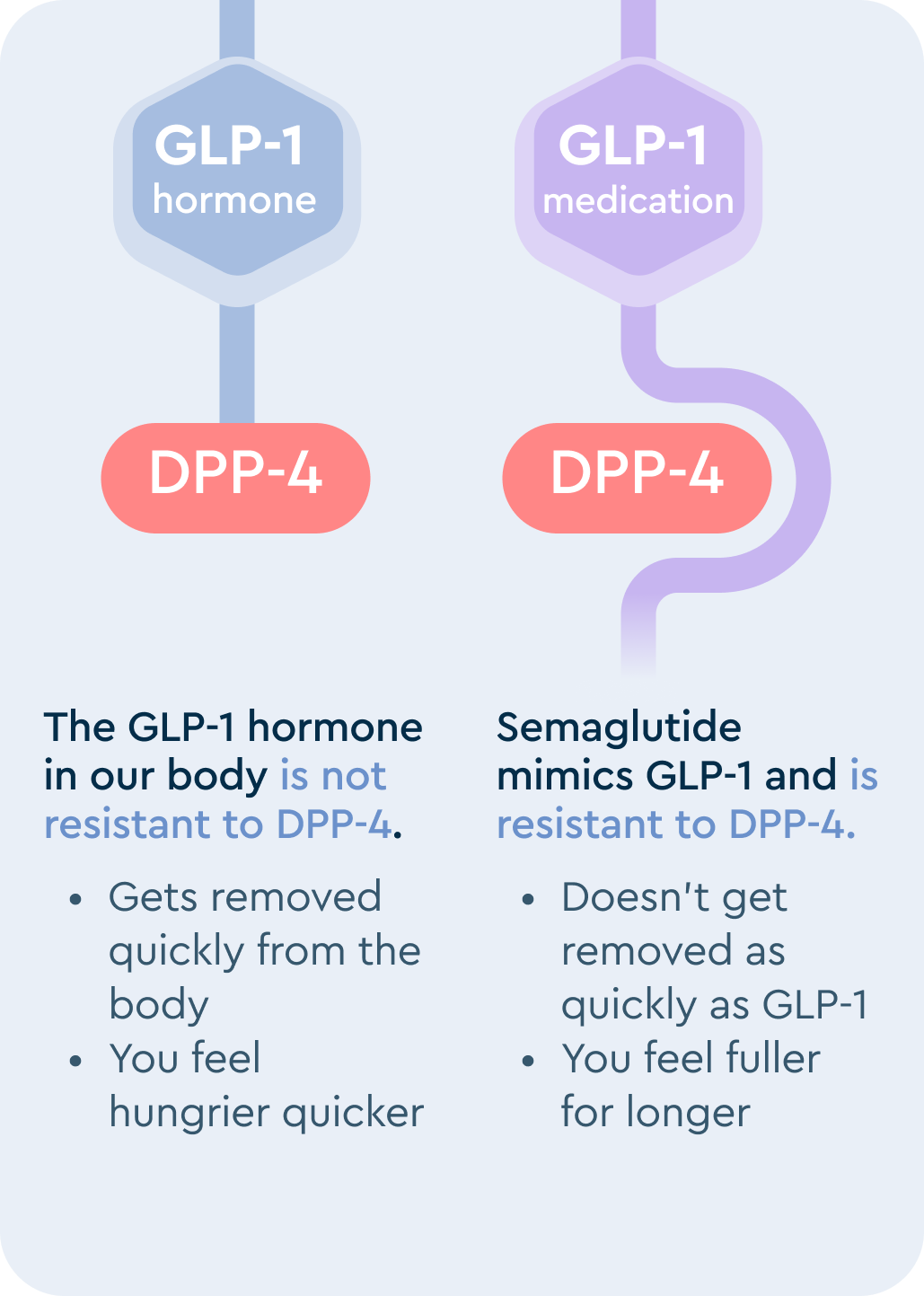
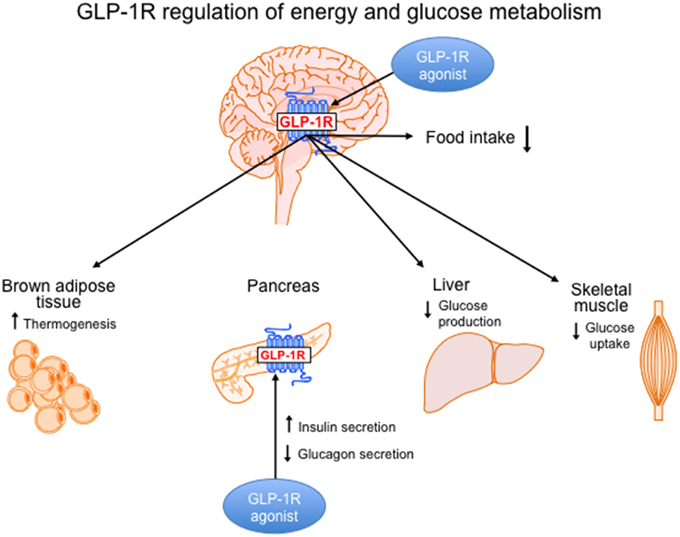
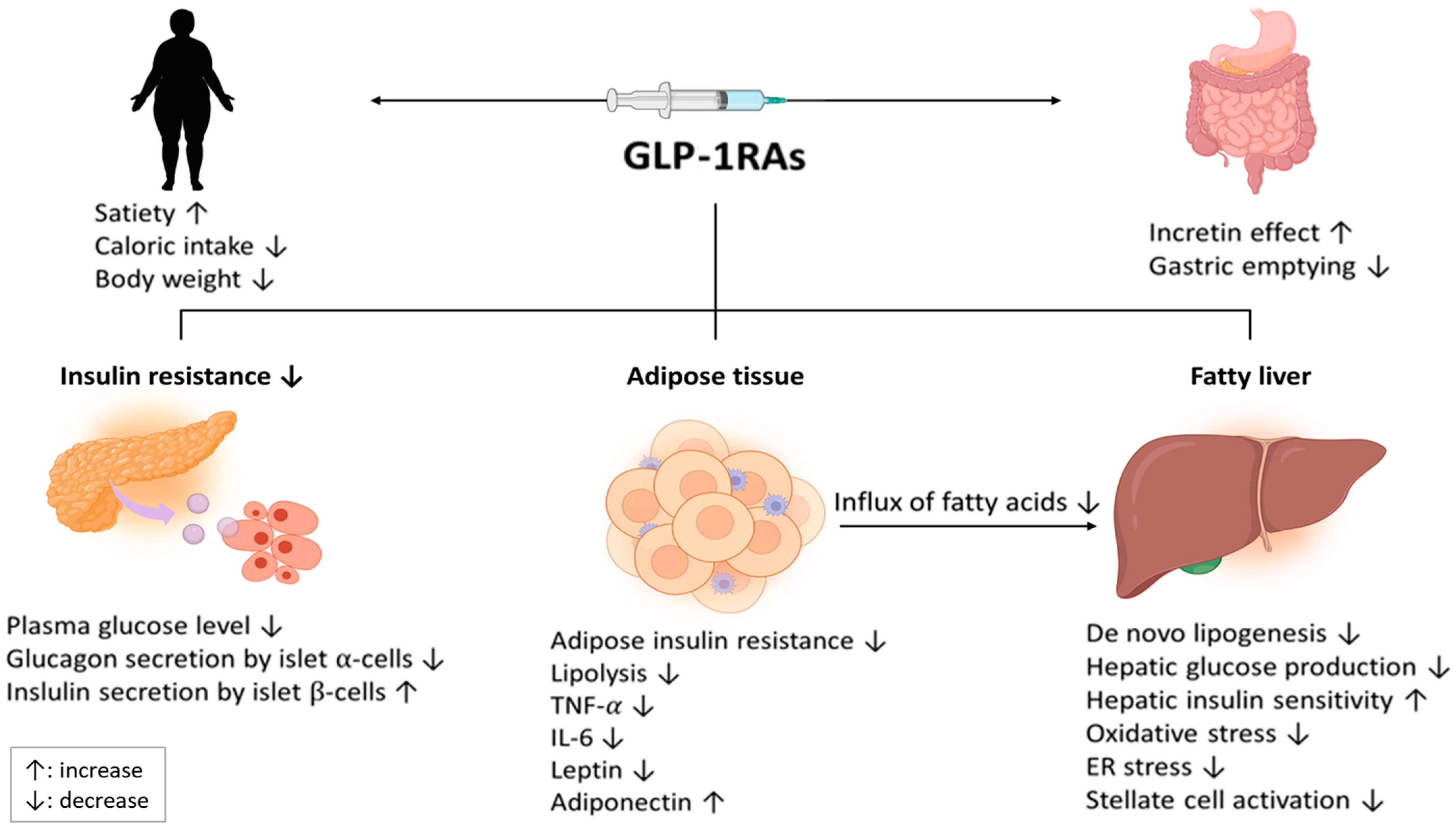
GLP-1 RAs are a class of medications that mimic the action of glucagon-like peptide-1, a hormone produced by the intestines in response to eating. GLP-1 acts as a powerful regulator of appetite, satiety, and insulin release, thereby playing a significant role in glucose metabolism. GLP-1 RAs work by binding to and activating the GLP-1 receptor, which in turn triggers a cascade of signaling pathways that lead to various physiological responses, including weight loss, improved insulin sensitivity, and enhanced glucose uptake.

Weight Loss Studies and GLP-1 Receptor Agonists
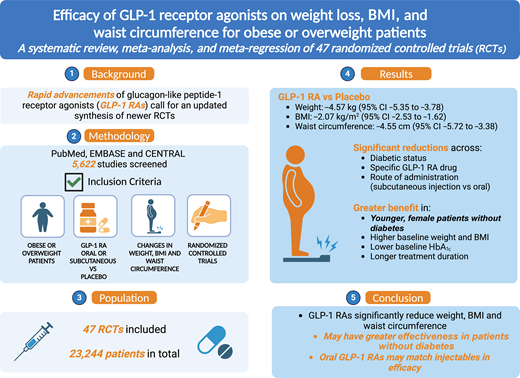
Over the past decade, numerous studies have investigated the efficacy and safety of GLP-1 RAs in promoting weight loss. These studies have consistently shown that GLP-1 RAs can lead to substantial weight loss, often exceeding 10% of initial body weight, in patients with obesity. In addition to weight loss, GLP-1 RAs have been associated with improvements in various metabolic parameters, including reduced body mass index (BMI), waist circumference, and blood pressure.