Revolutionizing Weight Loss: GLP-1 Medication Research
Understanding GLP-1 Receptor Agonists
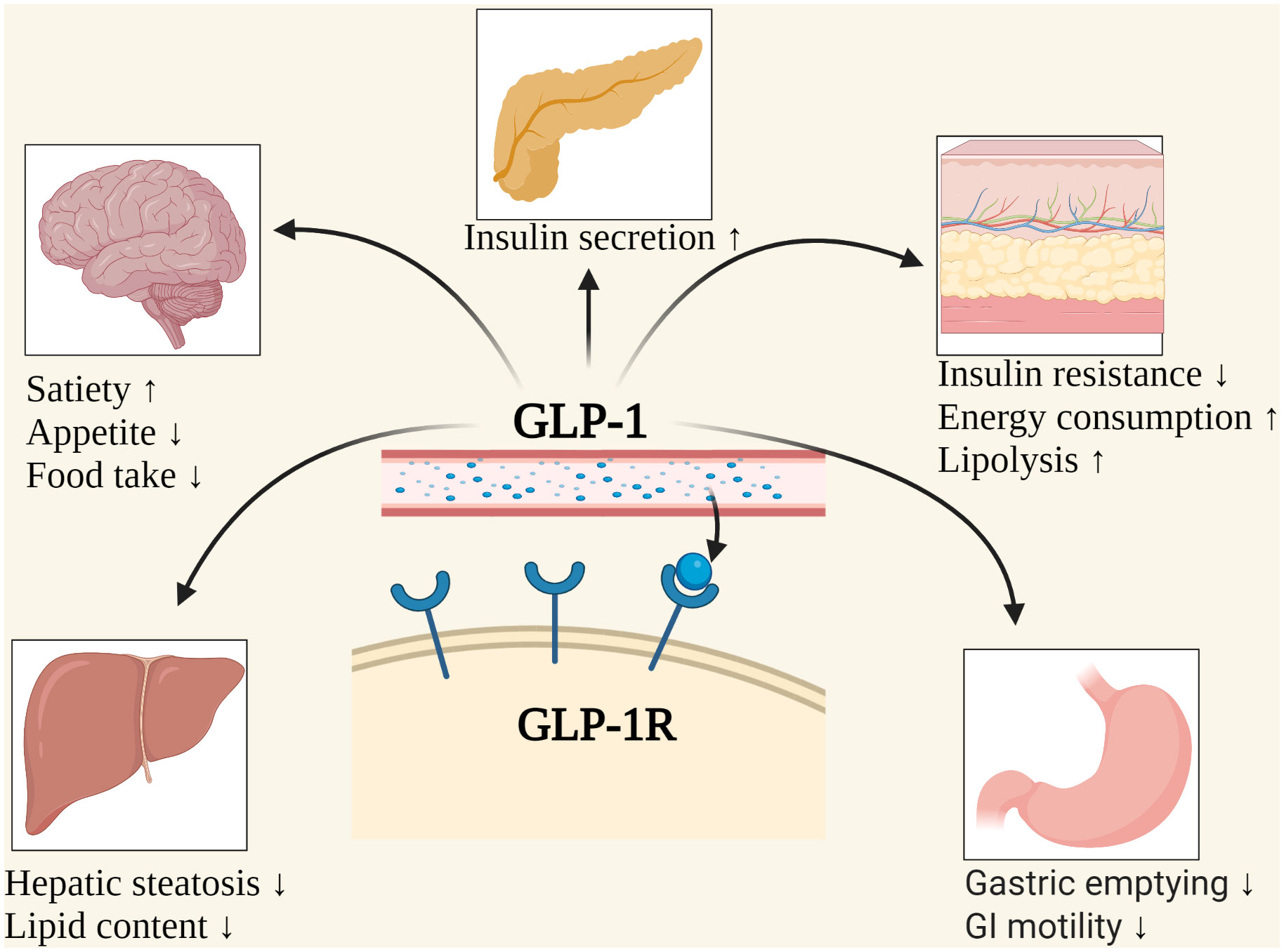
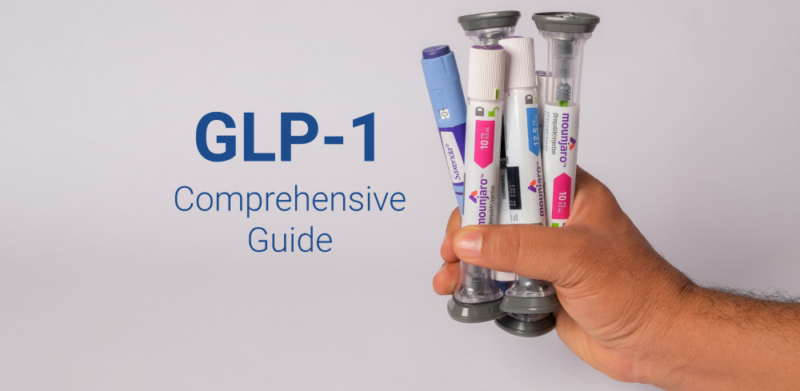
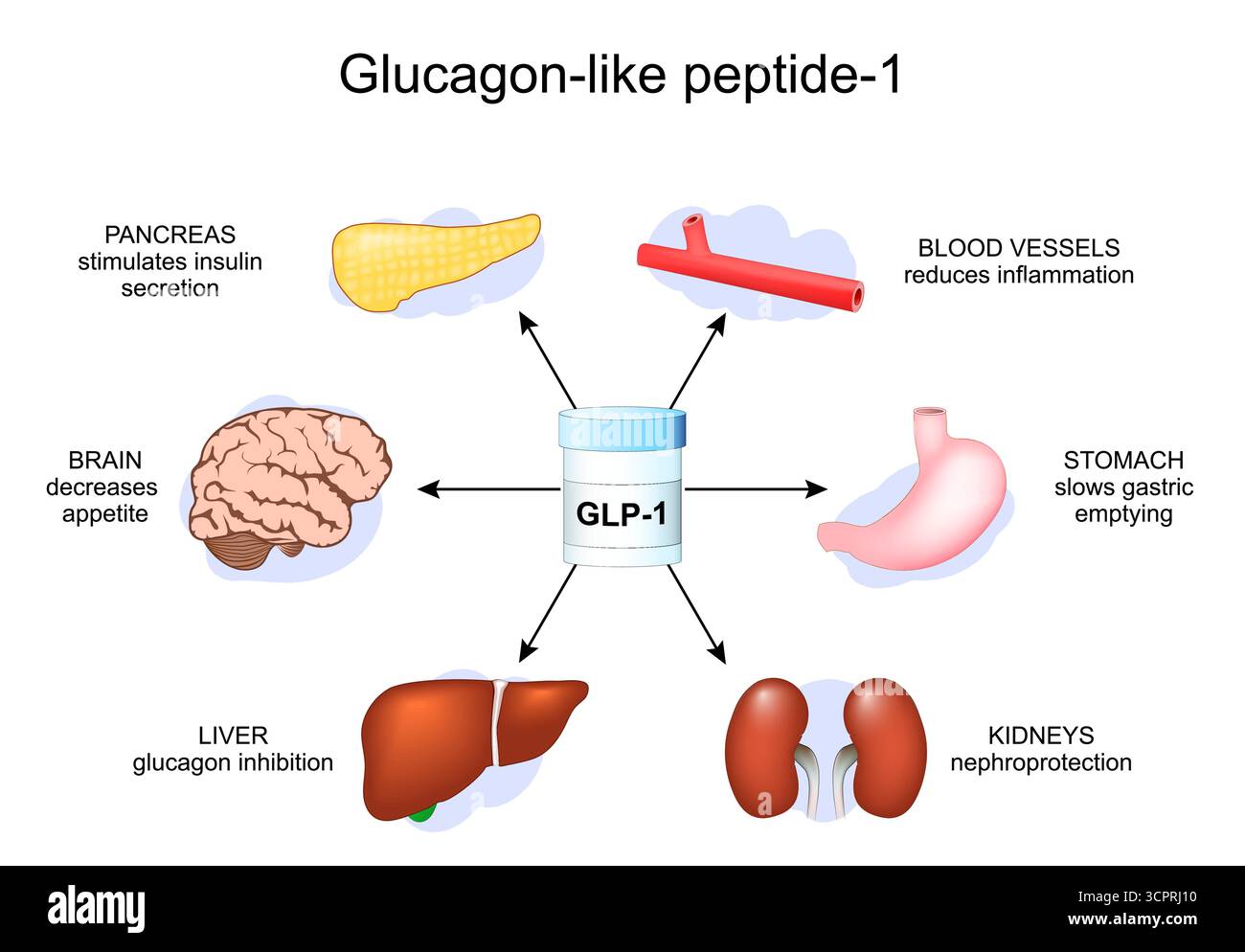
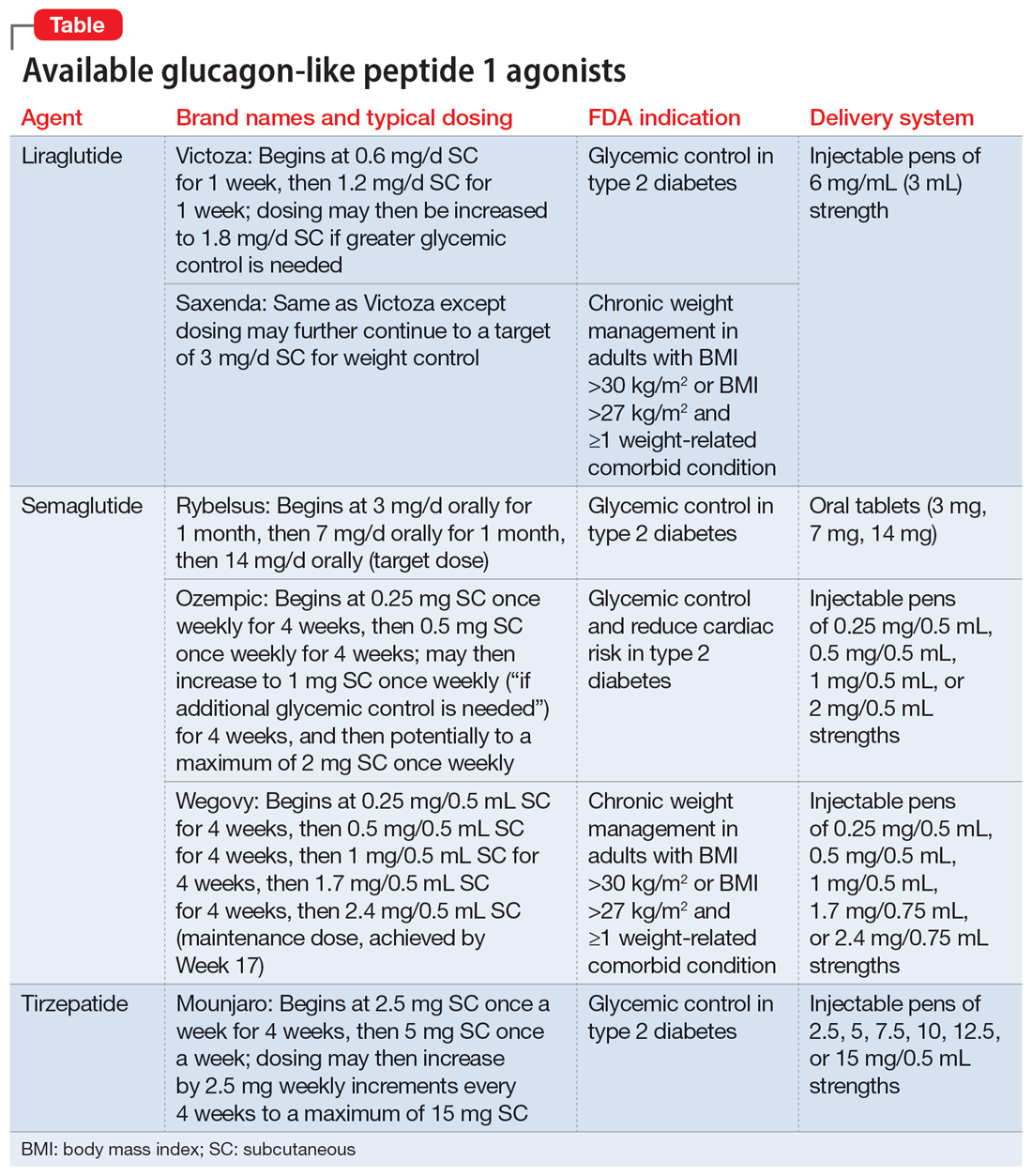
GLP-1 receptor agonists have been gaining significant attention in the medical community for their potential to aid in weight loss and manage obesity. These medications, such as semaglutide and tirzepatide, work by mimicking a naturally occurring hormone called glucagon-like peptide-1 (GLP-1). This hormone plays a crucial role in regulating appetite, blood sugar, and digestion.
- GLP-1 receptor agonists increase insulin production, decrease glucagon levels, and slow down gastric emptying, making them effective in managing blood sugar levels and promoting weight loss.
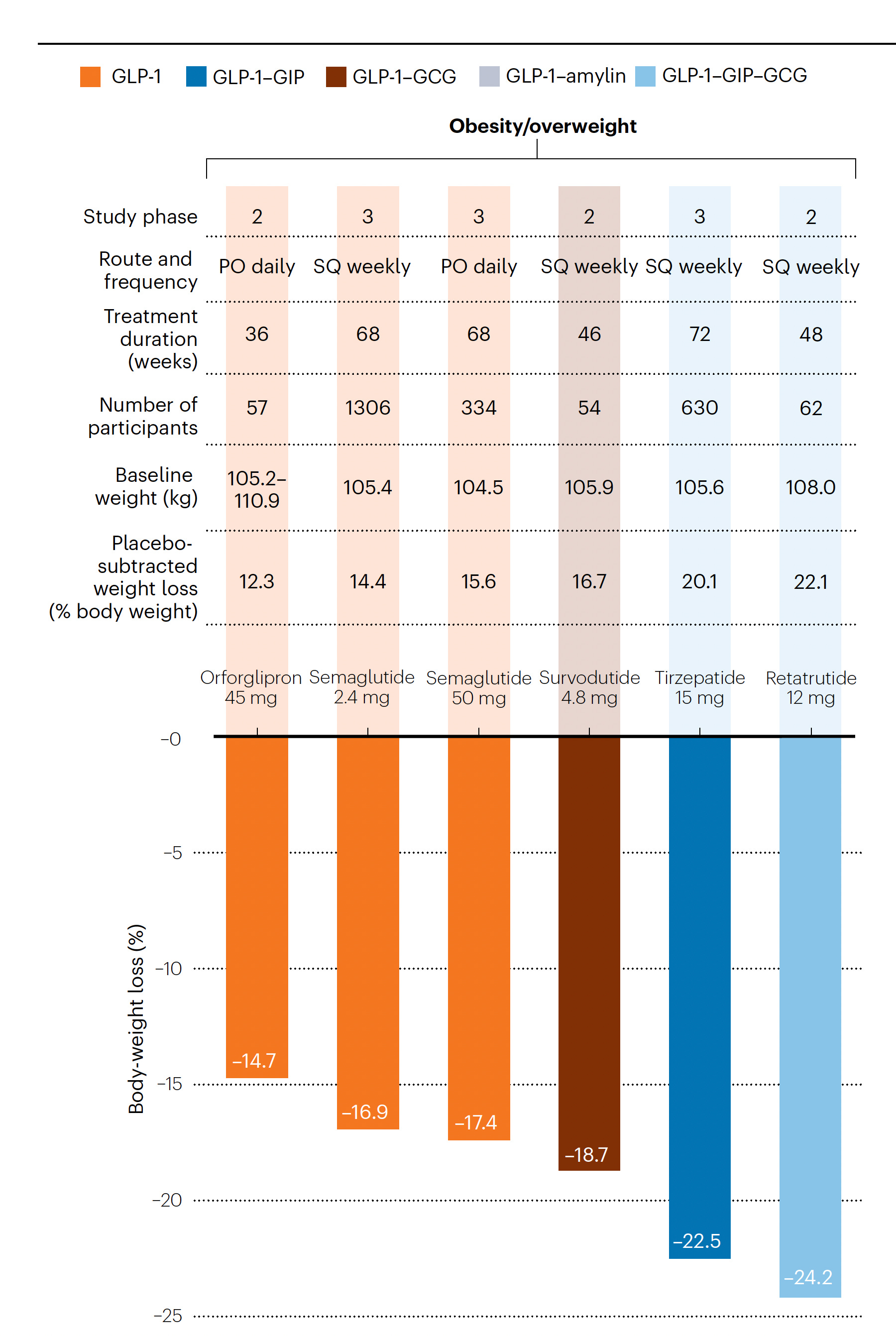
- These medications have shown impressive results in clinical trials, not only in terms of weight loss but also in reducing the risk of cardiovascular events, such as heart attacks and strokes.
The Science Behind GLP-1 Medications
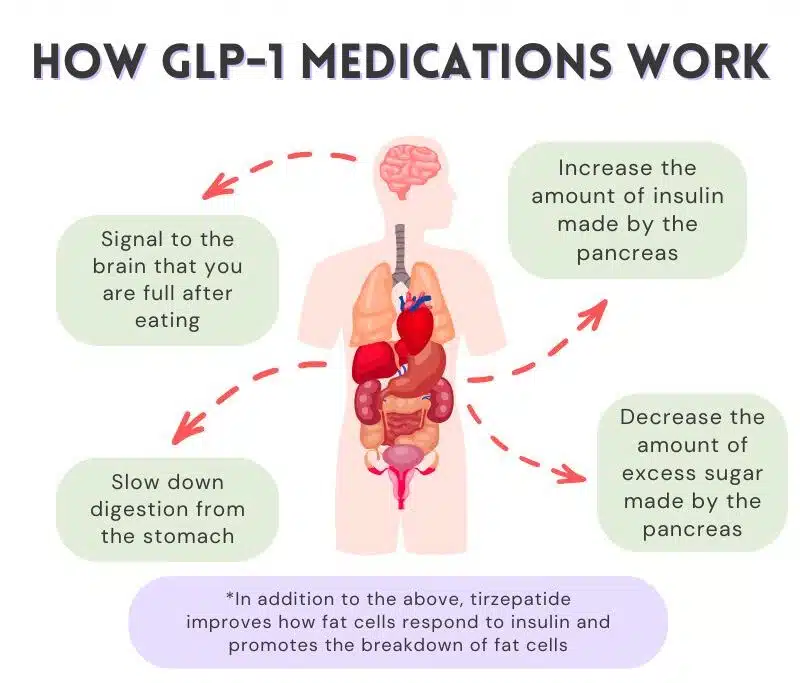
Research suggests that GLP-1 receptor agonists work by modulating brain regions responsible for appetite and food intake. This is achieved through the interaction of GLP-1 with receptors in the central nervous system, leading to a reduction in hunger and an increase in feelings of fullness.
GLP-1 Medications and Mental Health
Recent studies have also highlighted the potential mental health benefits of GLP-1 receptor agonists. These medications have been shown to reduce the risk of depression, anxiety, and substance use disorders, making them a valuable tool in managing mental health.