Understanding GLP-1 Receptor Agonist Meal Frequency: A Comprehensive Guide
The rise of GLP-1 receptor agonists (GLP-1RAs) for obesity treatment has sparked considerable interest in understanding the intricacies of dietary intake during GLP-1RA treatment. GLP-1RAs are designed to regulate blood sugar levels, promote weight loss, and reduce appetite. This article delves into the notion of GLP-1 receptor agonist meal frequency, exploring the essence of a GLP-1 diet plan and its differences from traditional weight loss approaches.
The Science Behind GLP-1 Receptor Agonist Meal Frequency
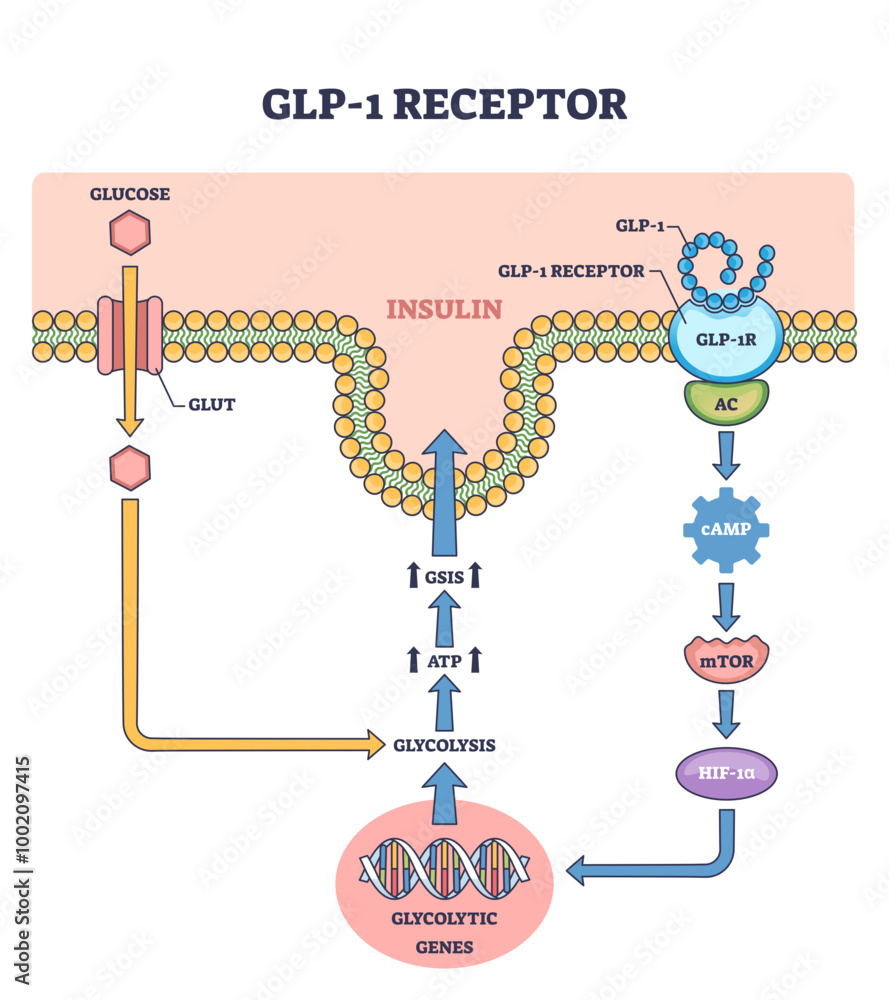
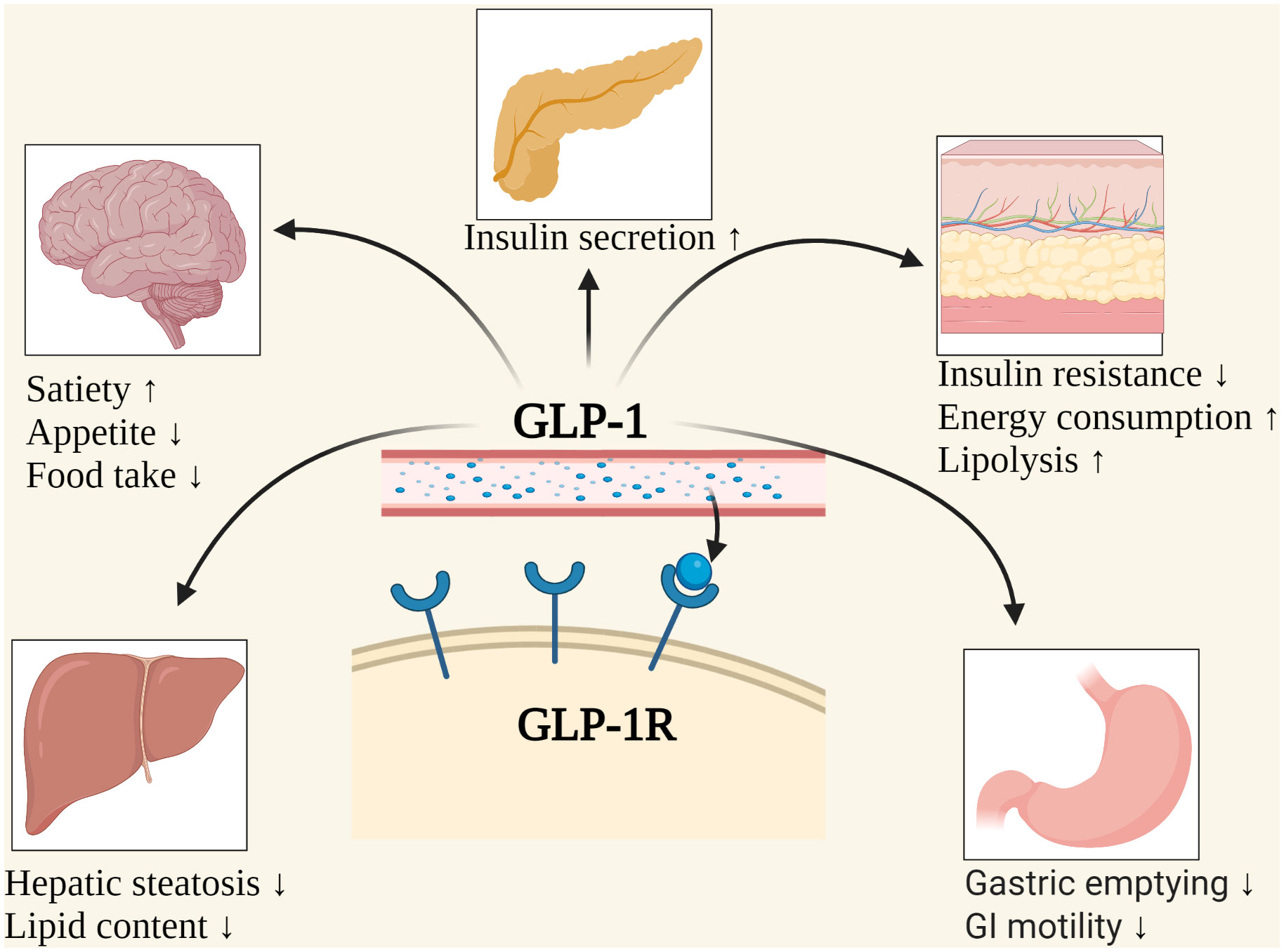
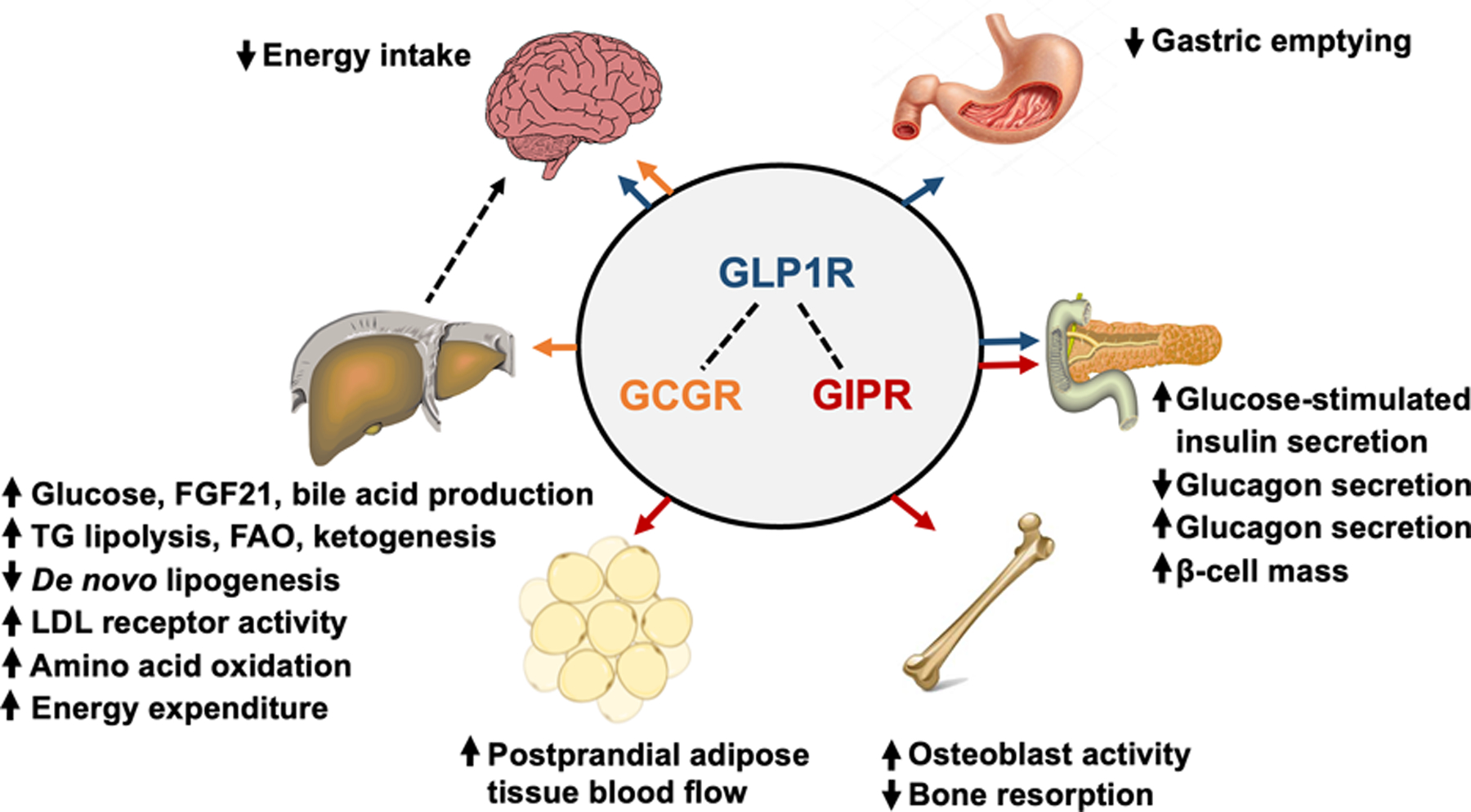
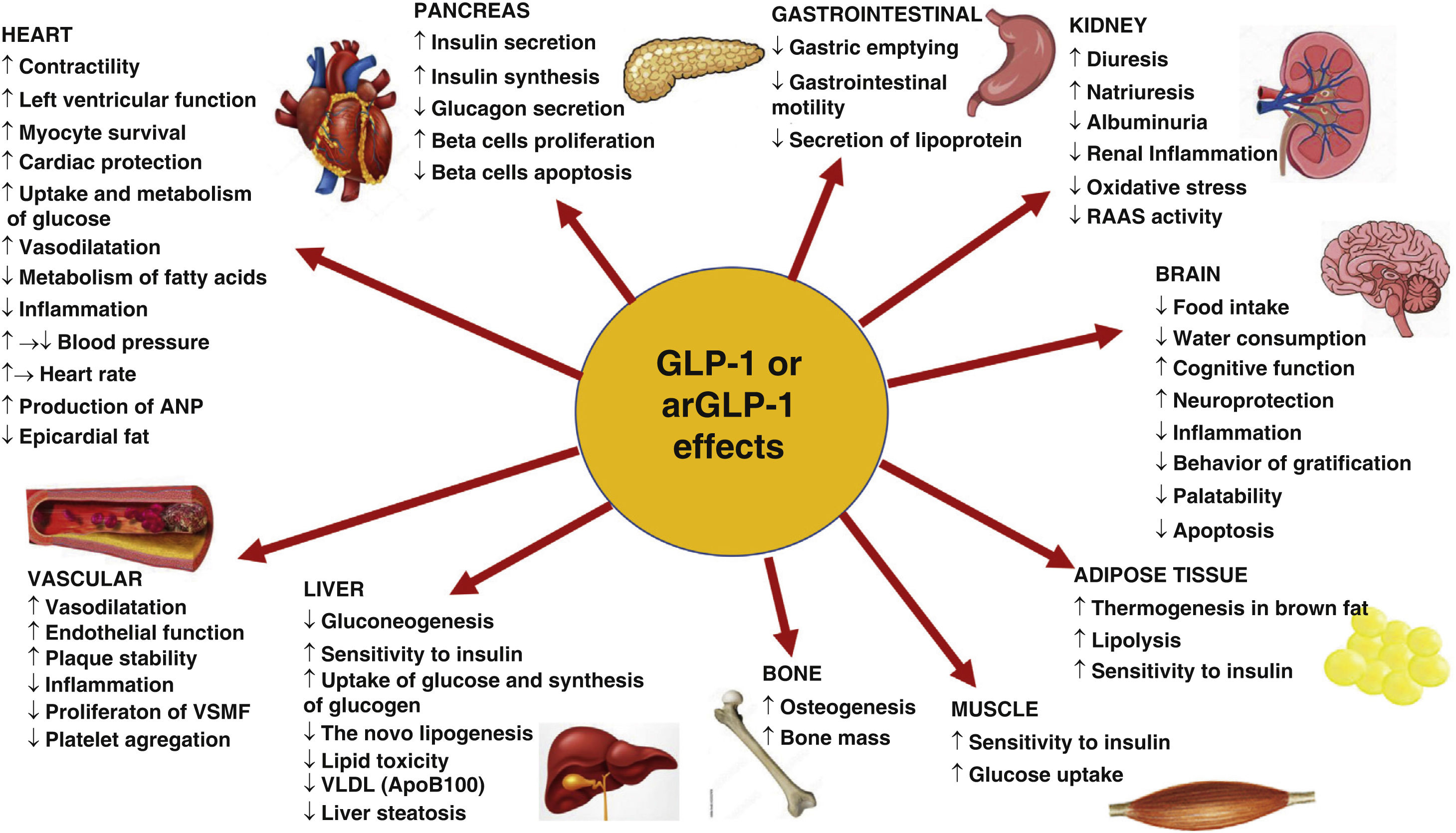
- When you consume food, GLP-1 is released, and it prompts the release of other hormones involved in satiety and glucose homeostasis.
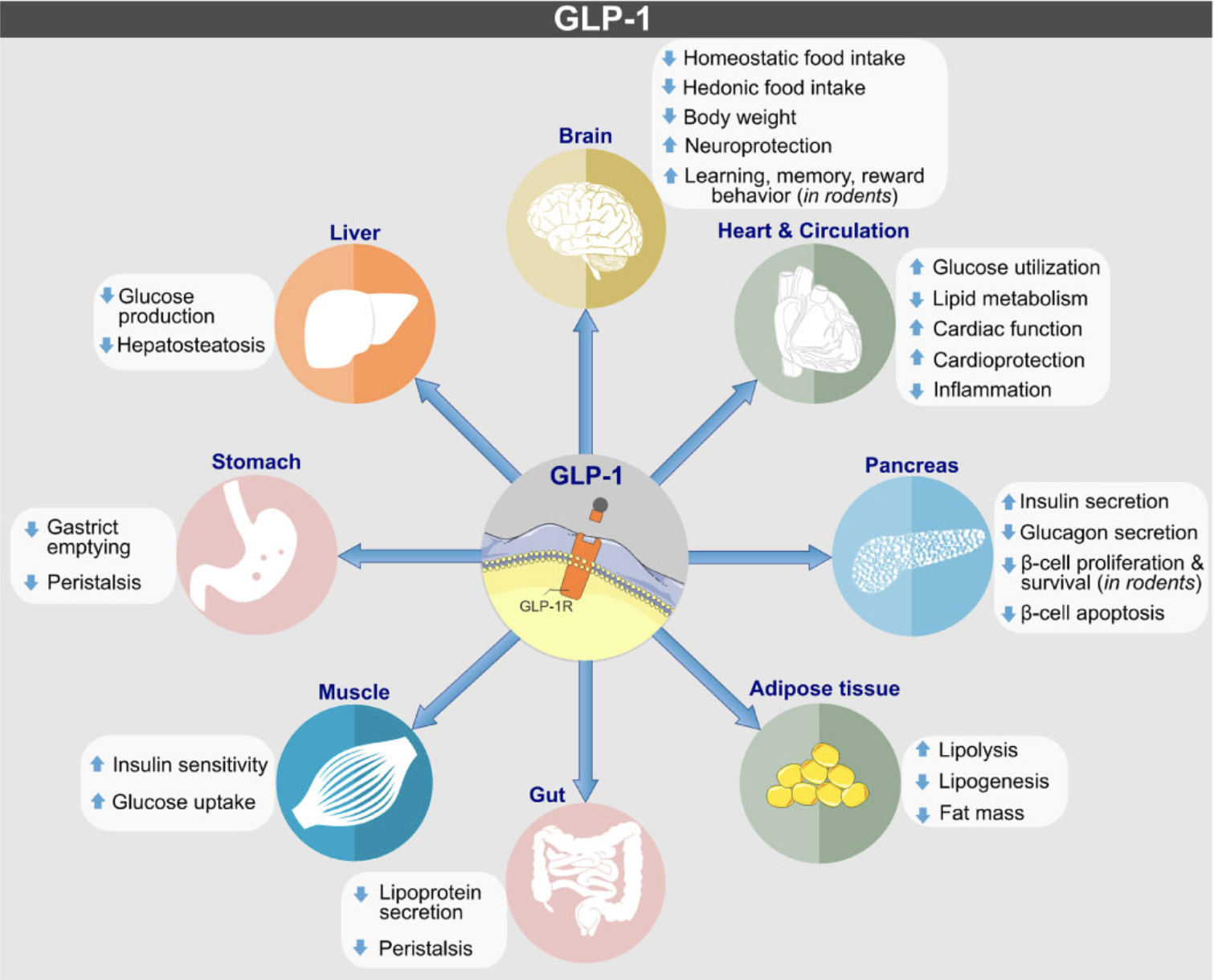
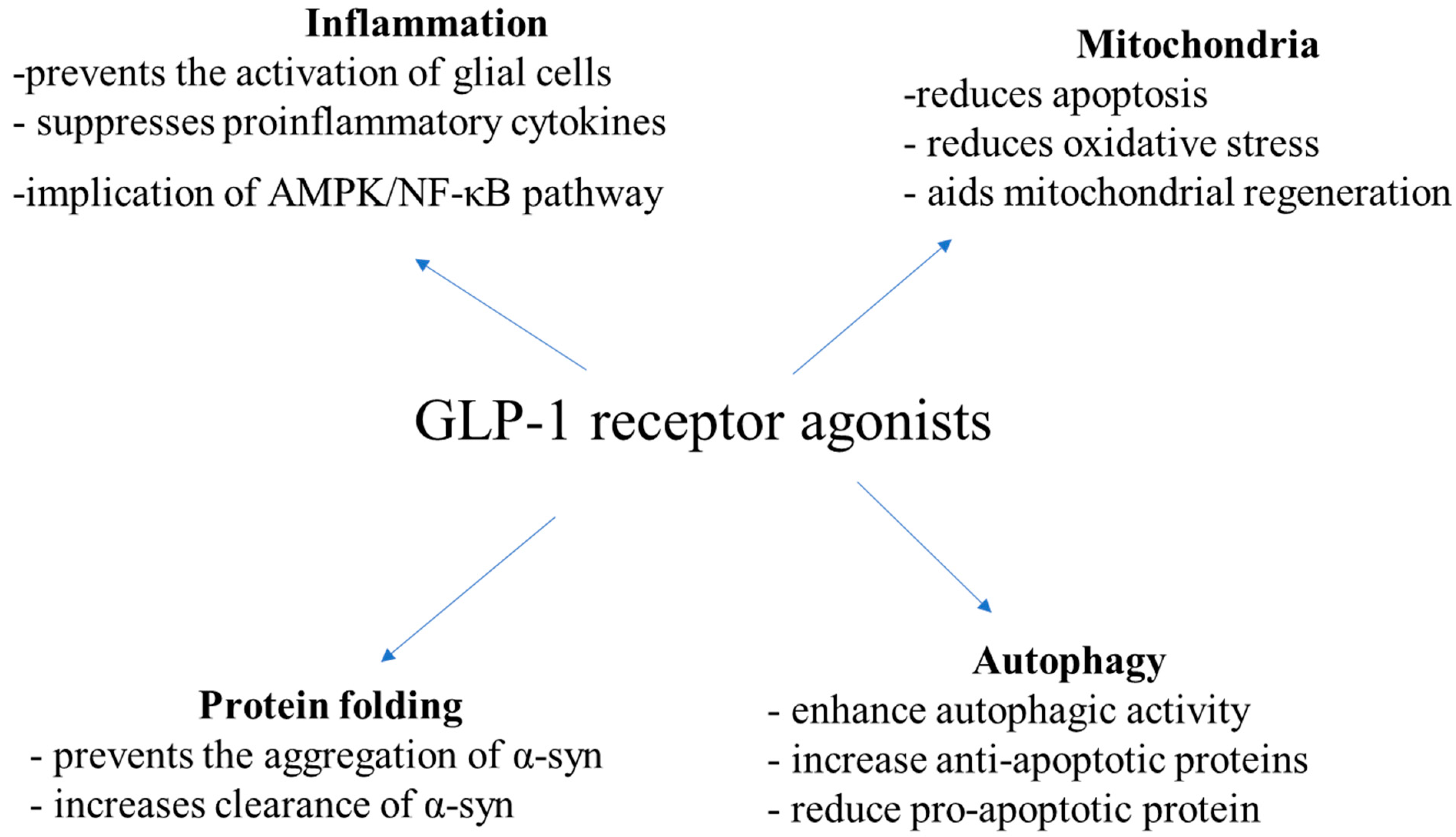
- GLP-1 receptor agonists mimic this natural physiological response, slowing gastric emptying, reducing appetite, and promoting glycemic control.
- As a result, adhering to a structured meal pattern becomes essential to optimize the effects of GLP-1RAs while minimizing potential side effects.
- A well-paced meal frequency can prevent episodes of spontaneous hunger, reducing overeating in the absence of true physiological hunger.
- When selecting a GLP-1 agonist meal plan, meal frequency should be designed to align individual nutritional needs, provide sufficient times for energy replenishment, and remain in line with realistic dietary habits from day to day