GLP-1 and Lipid Profile Improvement: A Review of the Current State of Research
The Role of GLP-1 in Lipid Metabolism
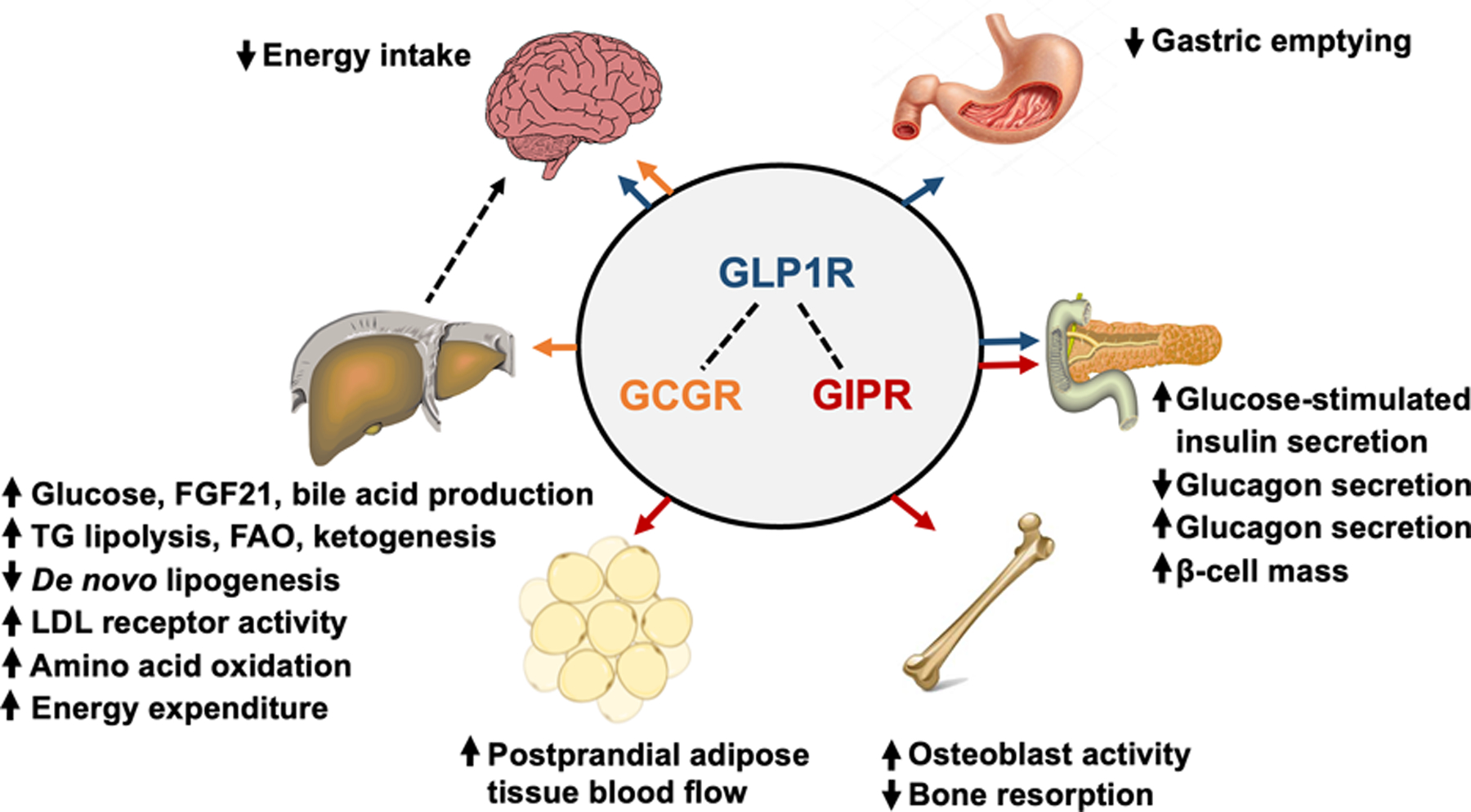
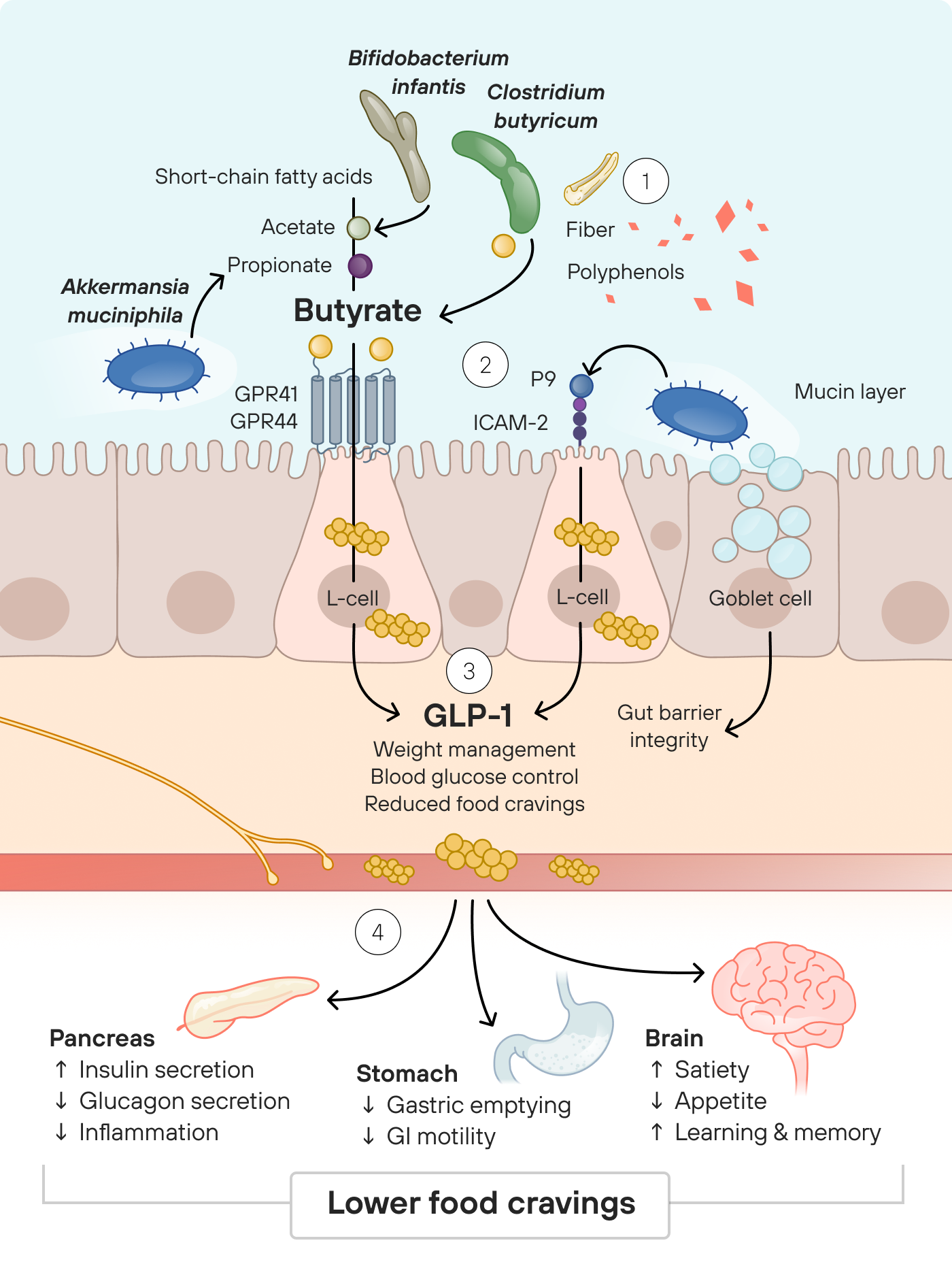
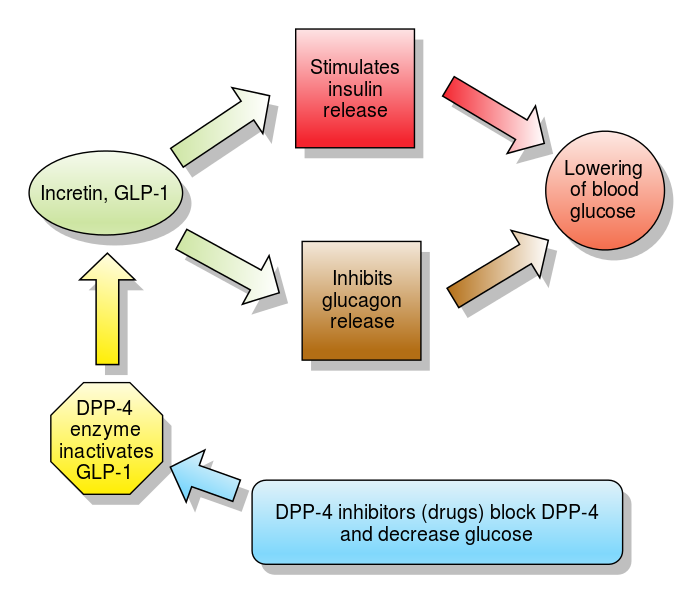
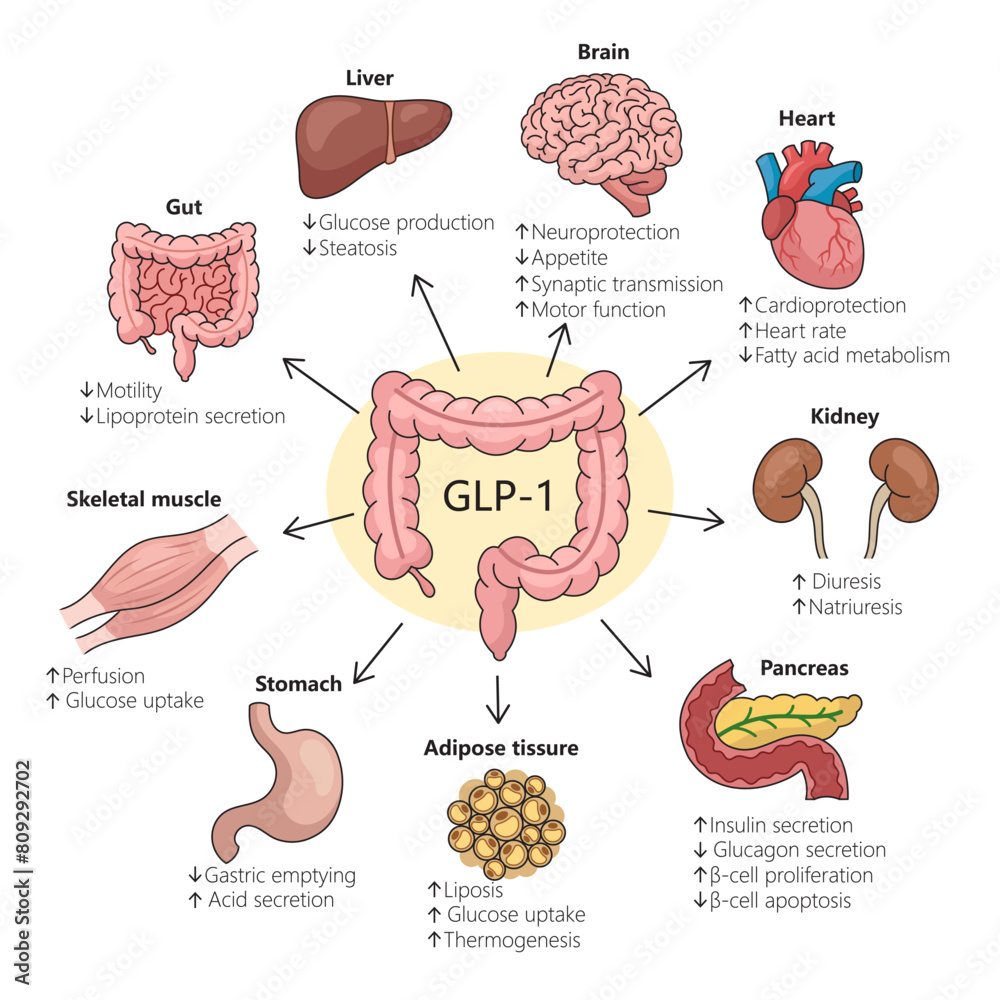
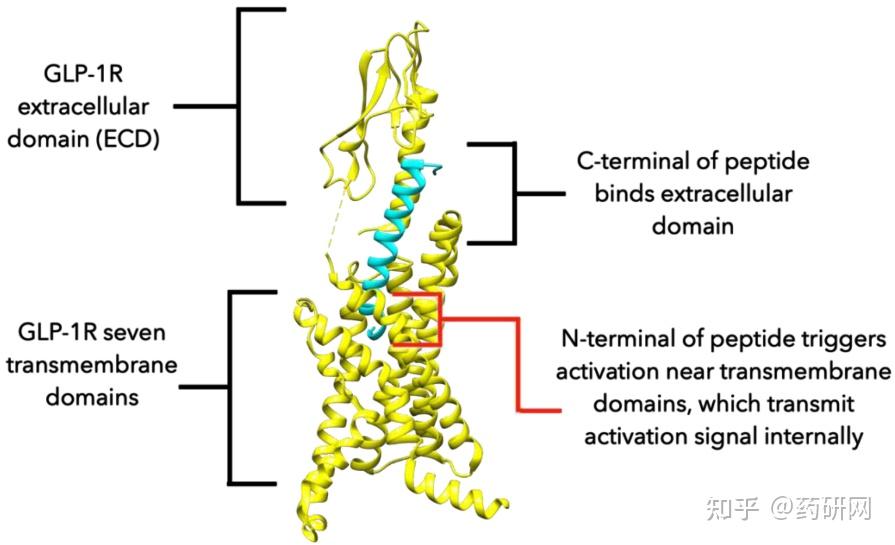
Glucagon-like peptide-1 (GLP-1) receptor agonists (GLP-1RAs) have revolutionized the management of type 2 diabetes and obesity. These medications work by mimicking the action of GLP-1, a hormone that plays a crucial role in regulating blood glucose levels and lipid metabolism. Research has shown that GLP-1 has a significant impact on lipid metabolism, with studies demonstrating that it can inhibit fat synthesis, promote fat differentiation, and enhance cholesterol metabolism.GLP-1RAs, such as liraglutide and semaglutide, have been shown to improve lipid profiles by decreasing low-density lipoprotein (LDL) and triglycerides, while also increasing high-density lipoprotein (HDL) levels. This is beneficial for cardiovascular health, as high LDL and triglyceride levels are risk factors for heart disease. A study conducted in 2019 found that GLP-1RAs reduced LDL levels by 6-25% and increased HDL levels by 10-20%.