GLP-1 and Blood Sugar Tracking: A Comprehensive Guide
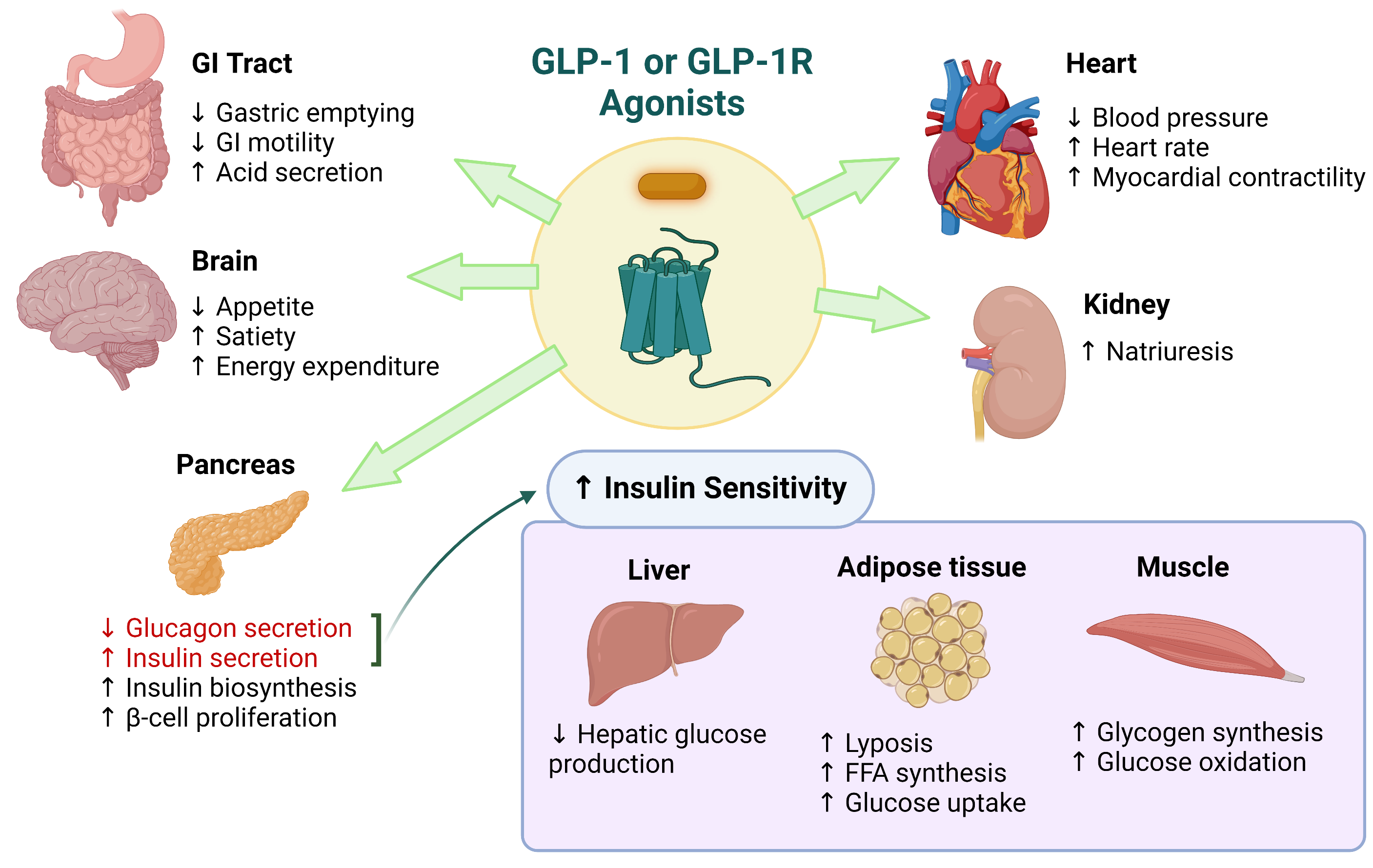
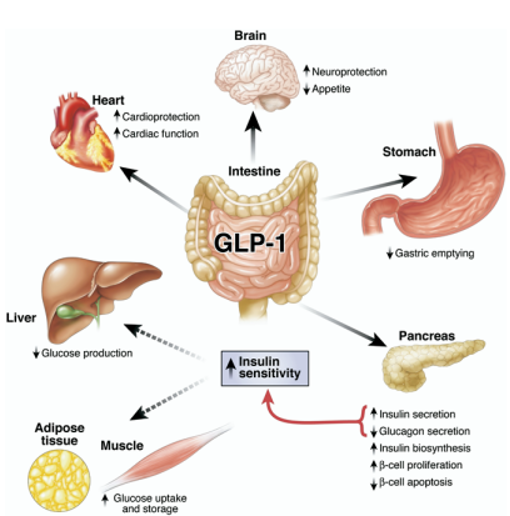
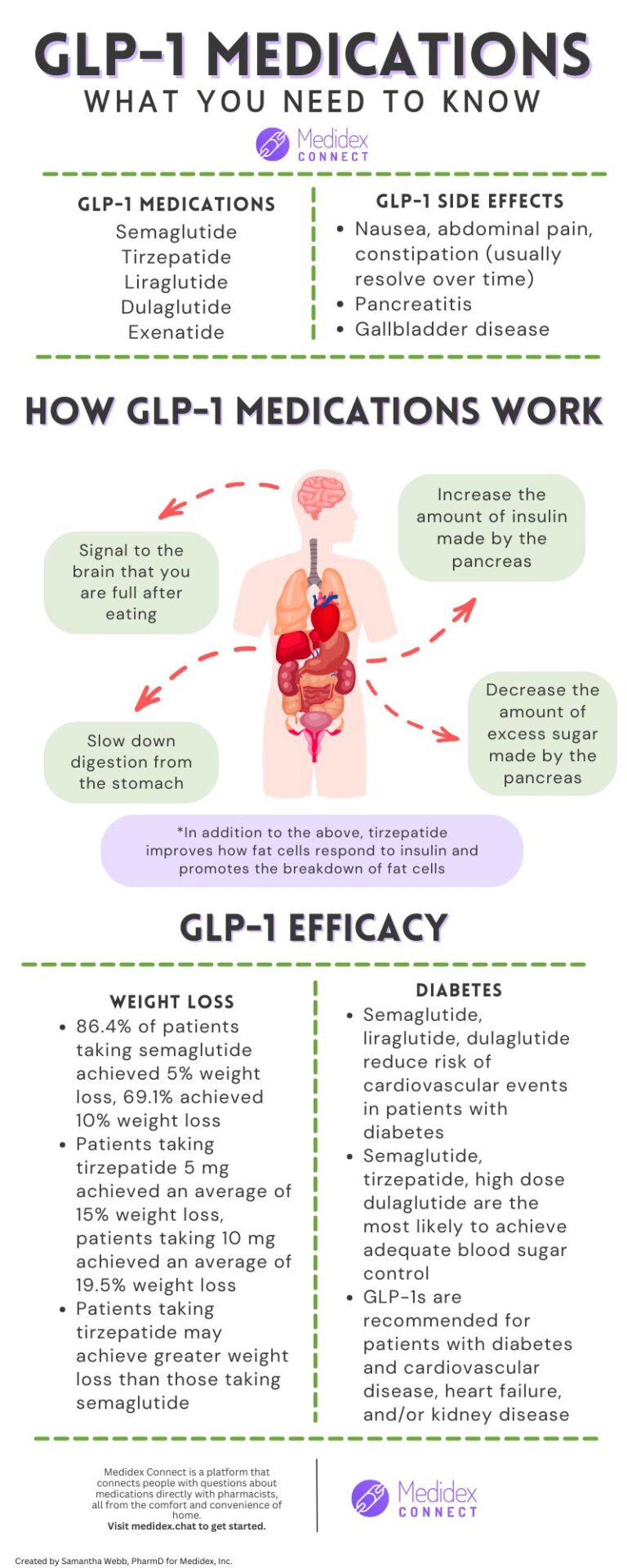
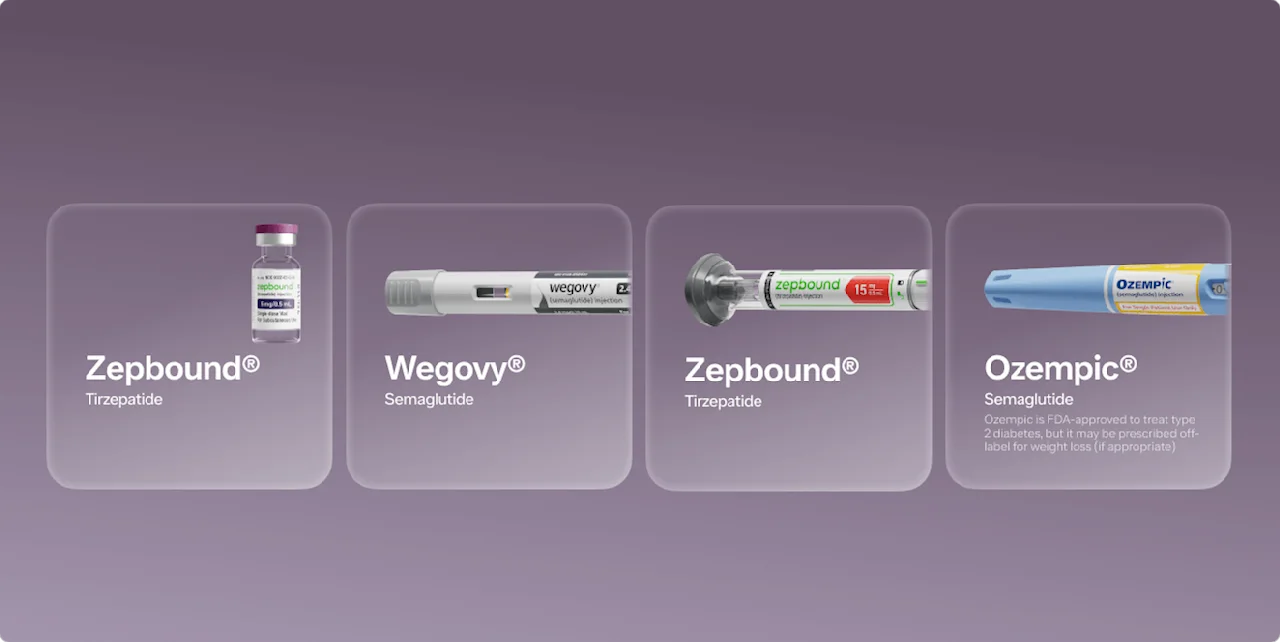
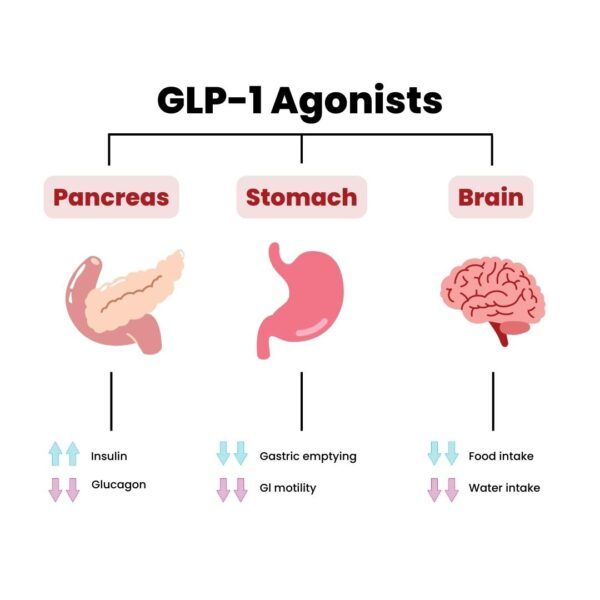
When managing blood sugar levels and taking GLP-1 medications, it's essential to track your progress and monitor your health effectively. GLP-1 receptor agonists like semaglutide and tirzepatide have become increasingly popular for weight loss and blood sugar control, but they require careful monitoring to ensure optimal results.
The Importance of Blood Sugar Tracking with GLP-1
Blood glucose and Hemoglobin A1C are two crucial markers for measuring the effectiveness of GLP-1 medications. Tracking these levels regularly can help you and your healthcare provider make informed decisions about your treatment plan. With GLP-1 therapy, it's not uncommon to experience periods of low blood sugar, so monitoring your levels is vital to adjust your medication regimen accordingly.
How to Track GLP-1 Results Effectively

The easiest way to track GLP-1 results is by using digital apps or simple spreadsheets to monitor weight, blood glucose, side effects, and cardiovascular parameters at consistent intervals. GLP-1 receptor agonists require careful tracking of these metrics to assess efficacy and make necessary adjustments to your treatment plan.
Lab Monitoring Matters on GLP-1 Therapy
GLP-1 medications can lead to periods of low intake, nausea, constipation, or dehydration. In diabetes, rapid improvement in blood sugar levels may also require medication adjustment. Therefore, lab monitoring is crucial to ensure that your GLP-1 therapy is effective and safe.