GLP-1 Analogs for Sugar Control: Understanding the New Treatment Option
The management of blood sugar levels is a crucial aspect of treating type 2 diabetes, and recent breakthroughs in medication have introduced GLP-1 analogs as a promising treatment option. In this article, we'll delve into the world of GLP-1 analogs, their role in sugar control, and their potential benefits for individuals living with type 2 diabetes.
What are GLP-1 Analogs?
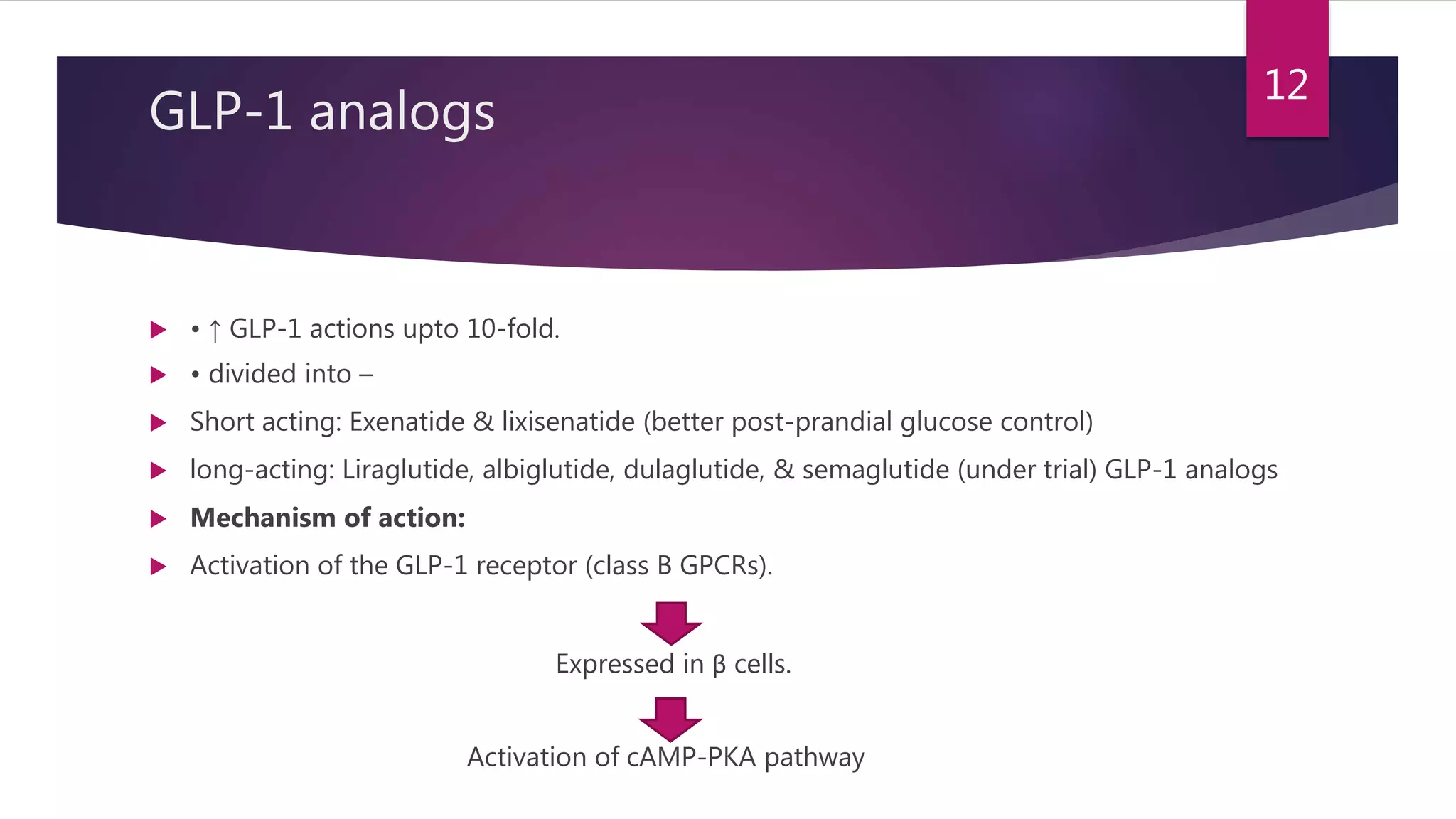
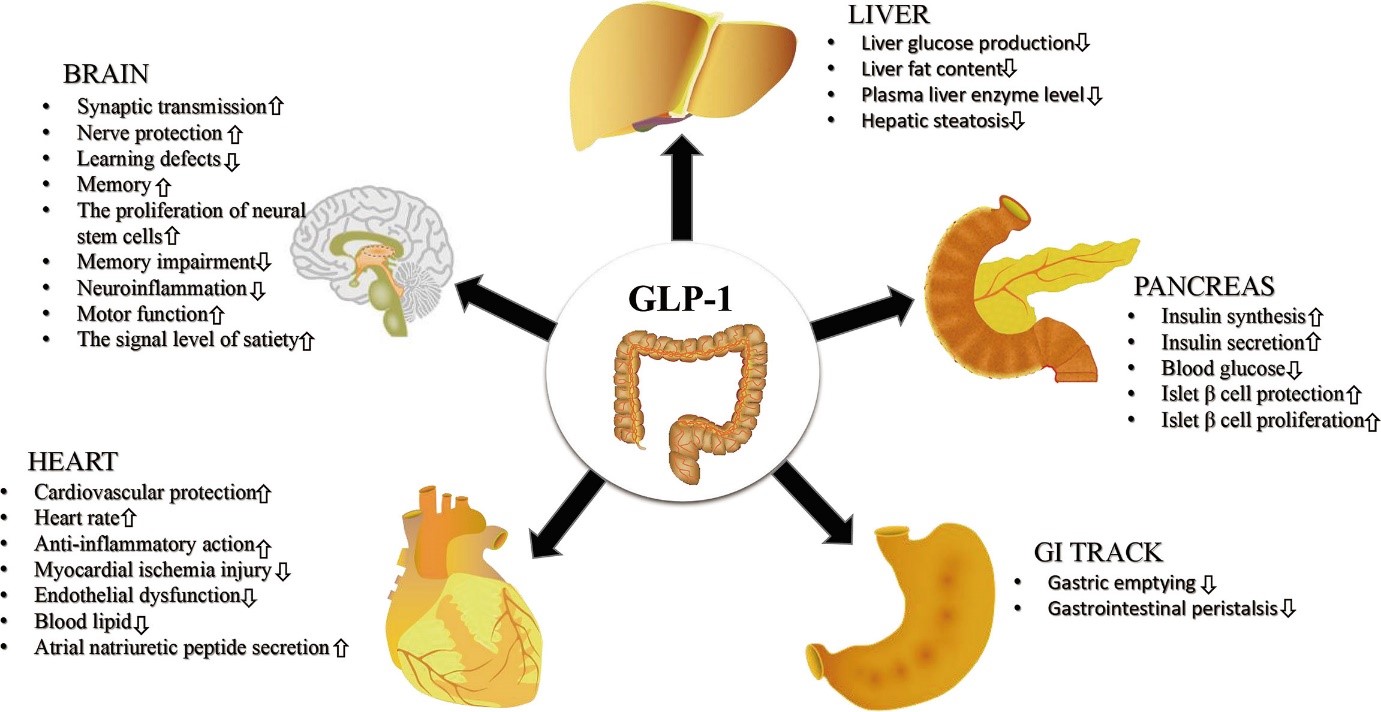
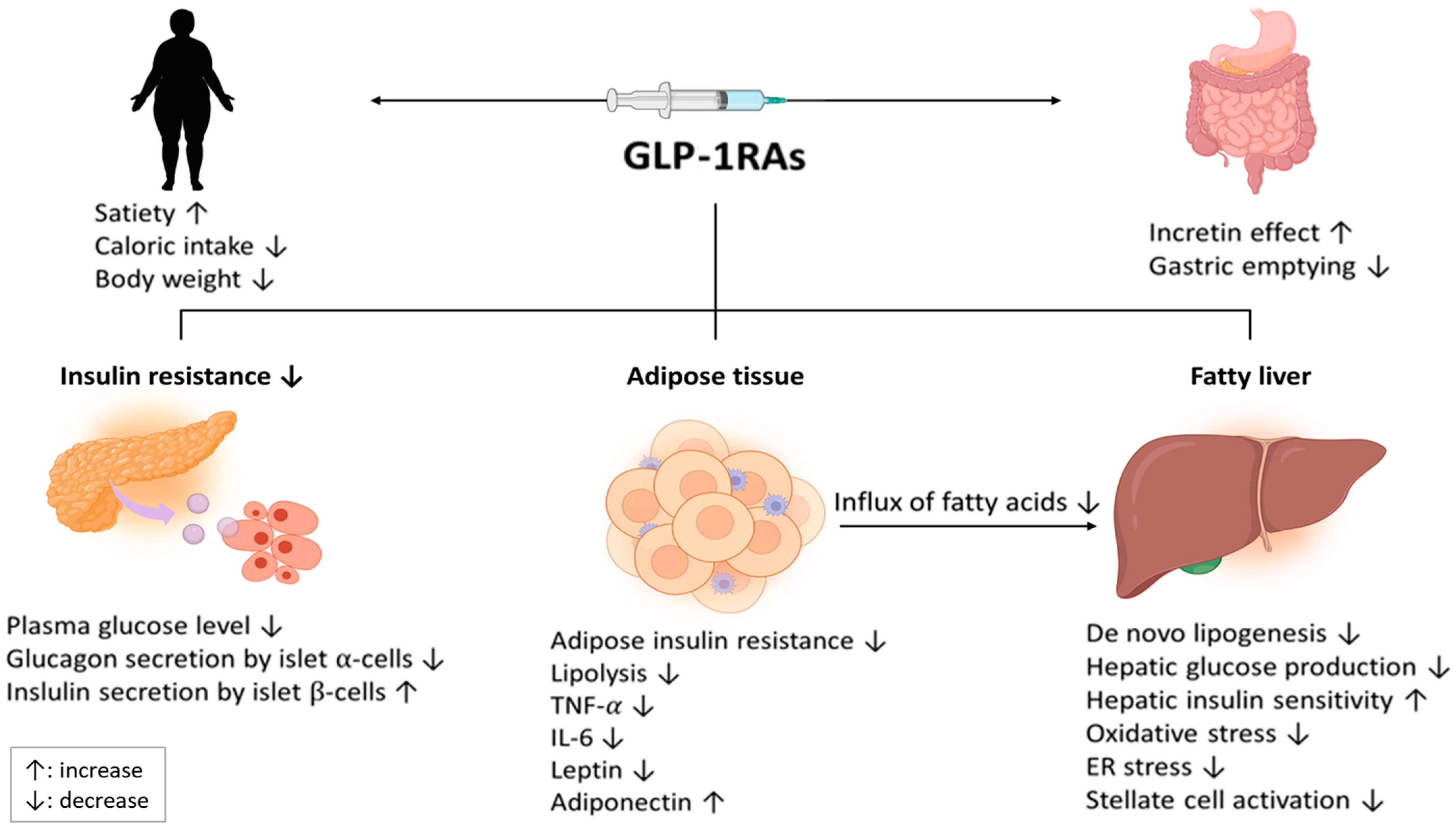
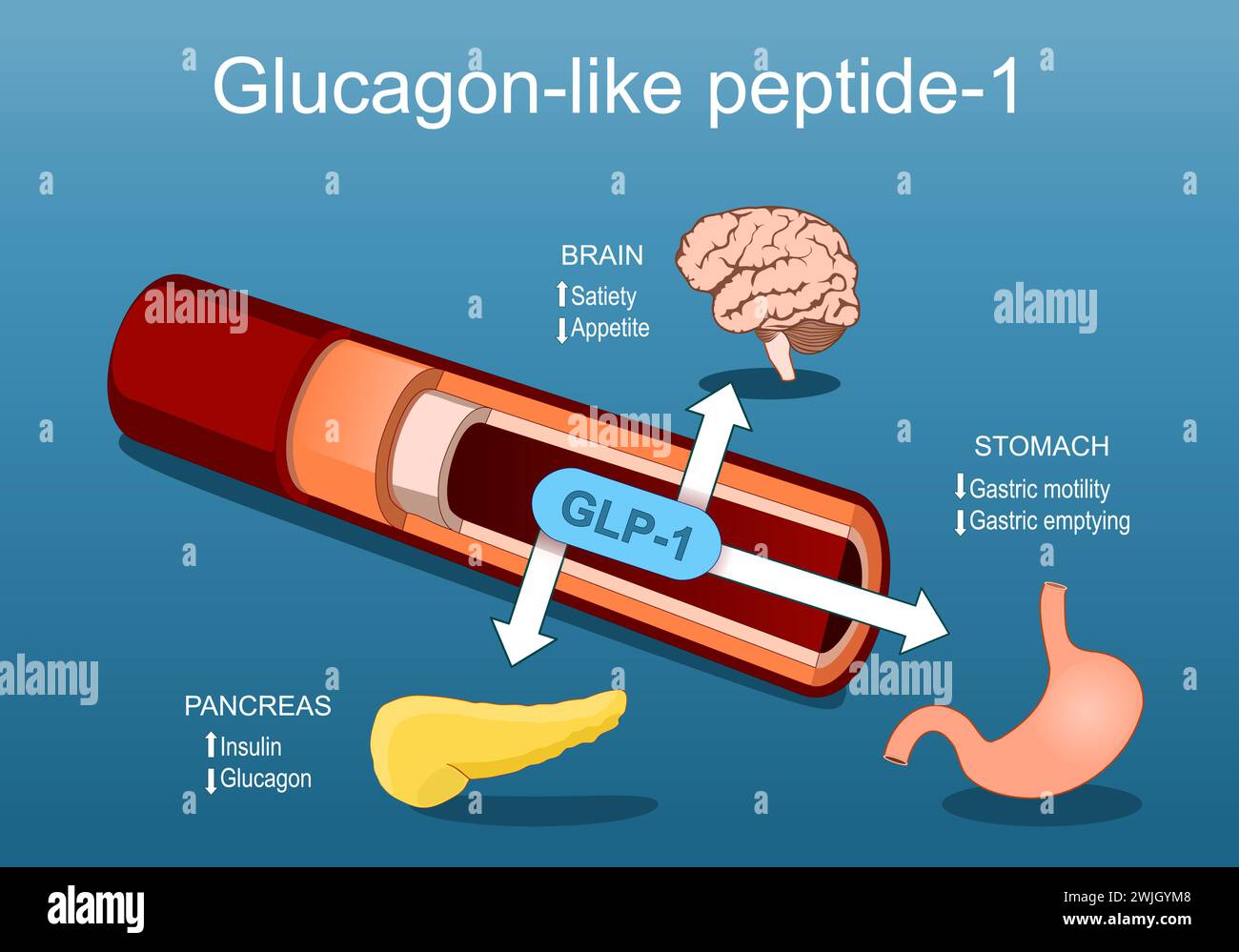
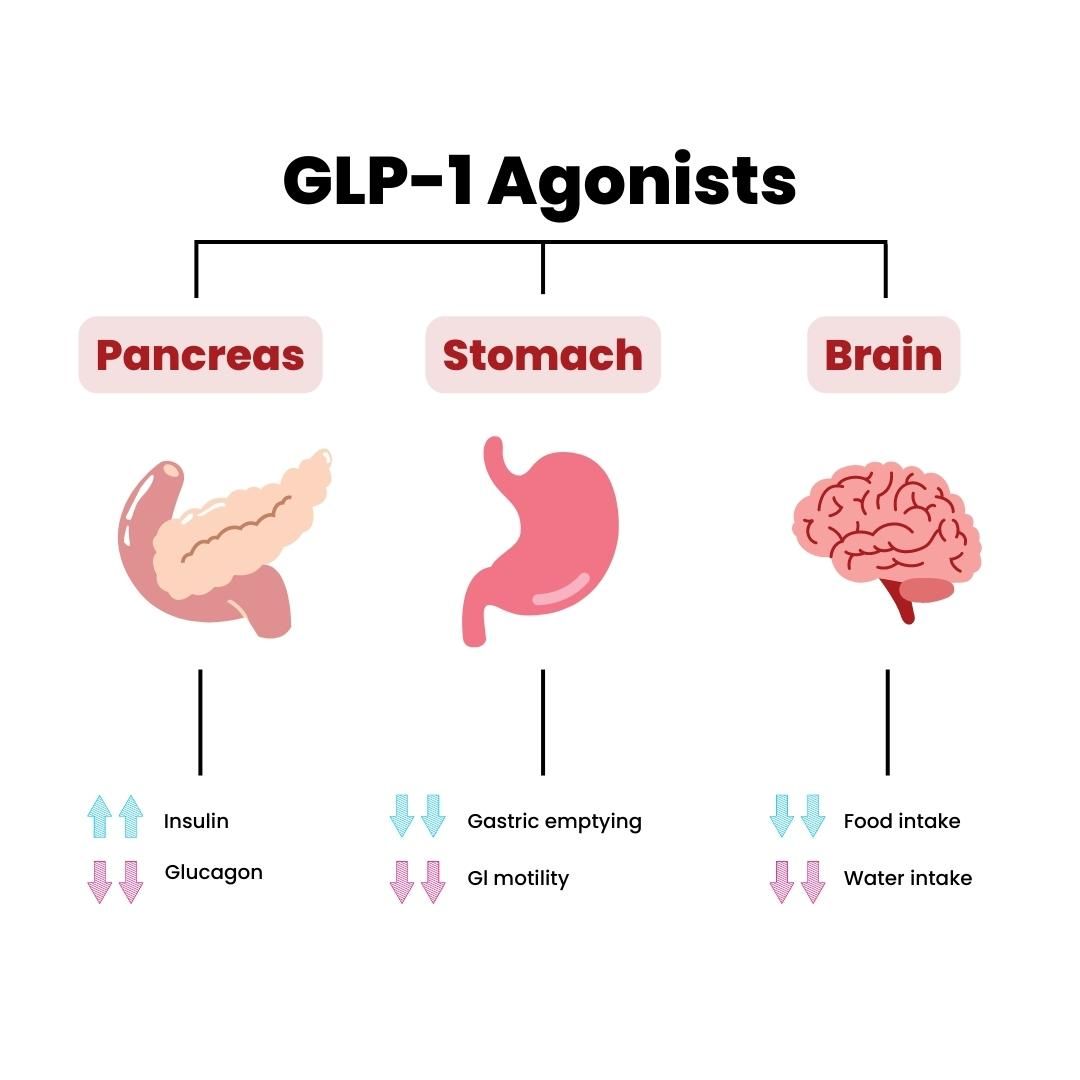
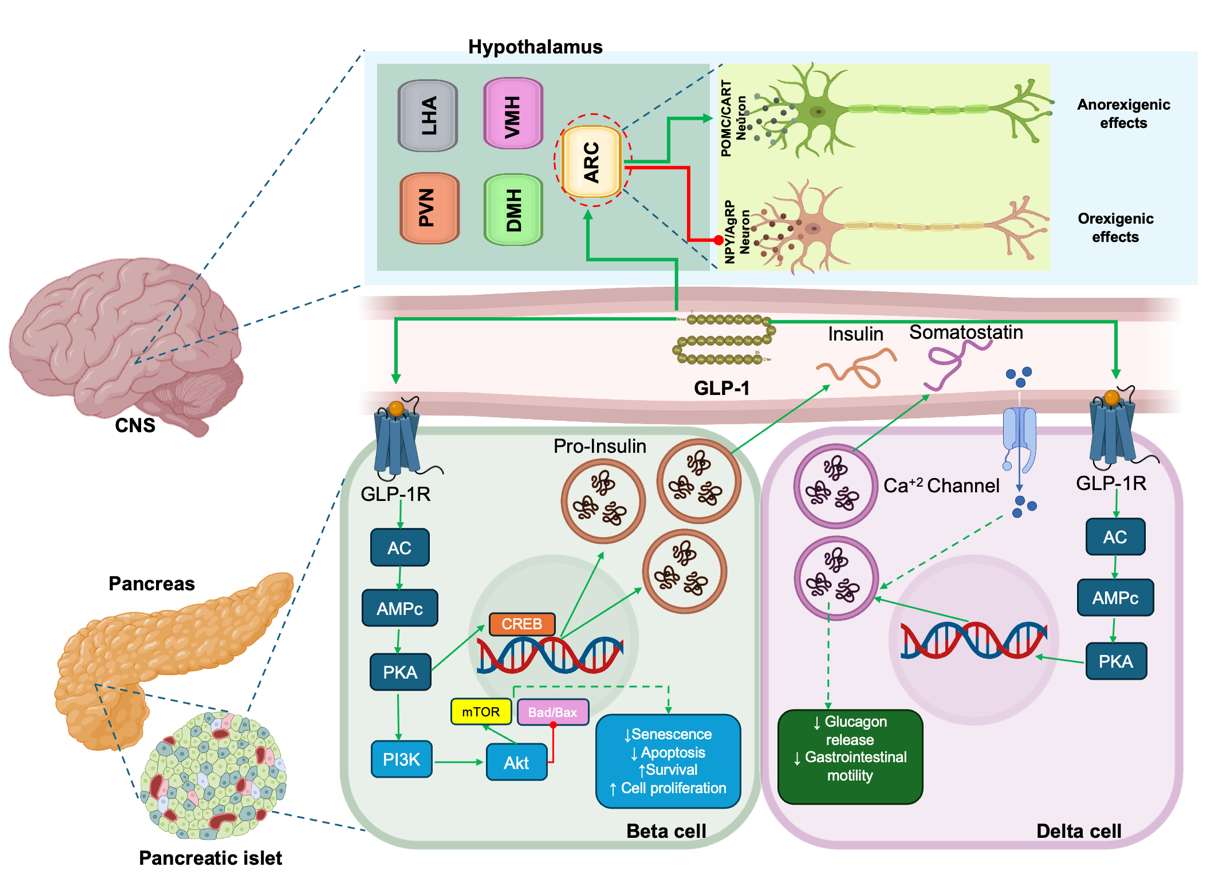
GLP-1 (Glucagon-like peptide-1) is a hormone released by the intestines in response to food intake. It plays a key role in glucose metabolism, stimulating the pancreas to release insulin and suppressing the release of glucagon, a hormone that raises blood sugar levels. GLP-1 analogs are synthetic versions of this hormone, specifically designed to mimic its actions in the body. These medications work by binding to GLP-1 receptors on the surface of cells, enhancing insulin secretion, and improving glucose regulation.
How Do GLP-1 Analogs Work?
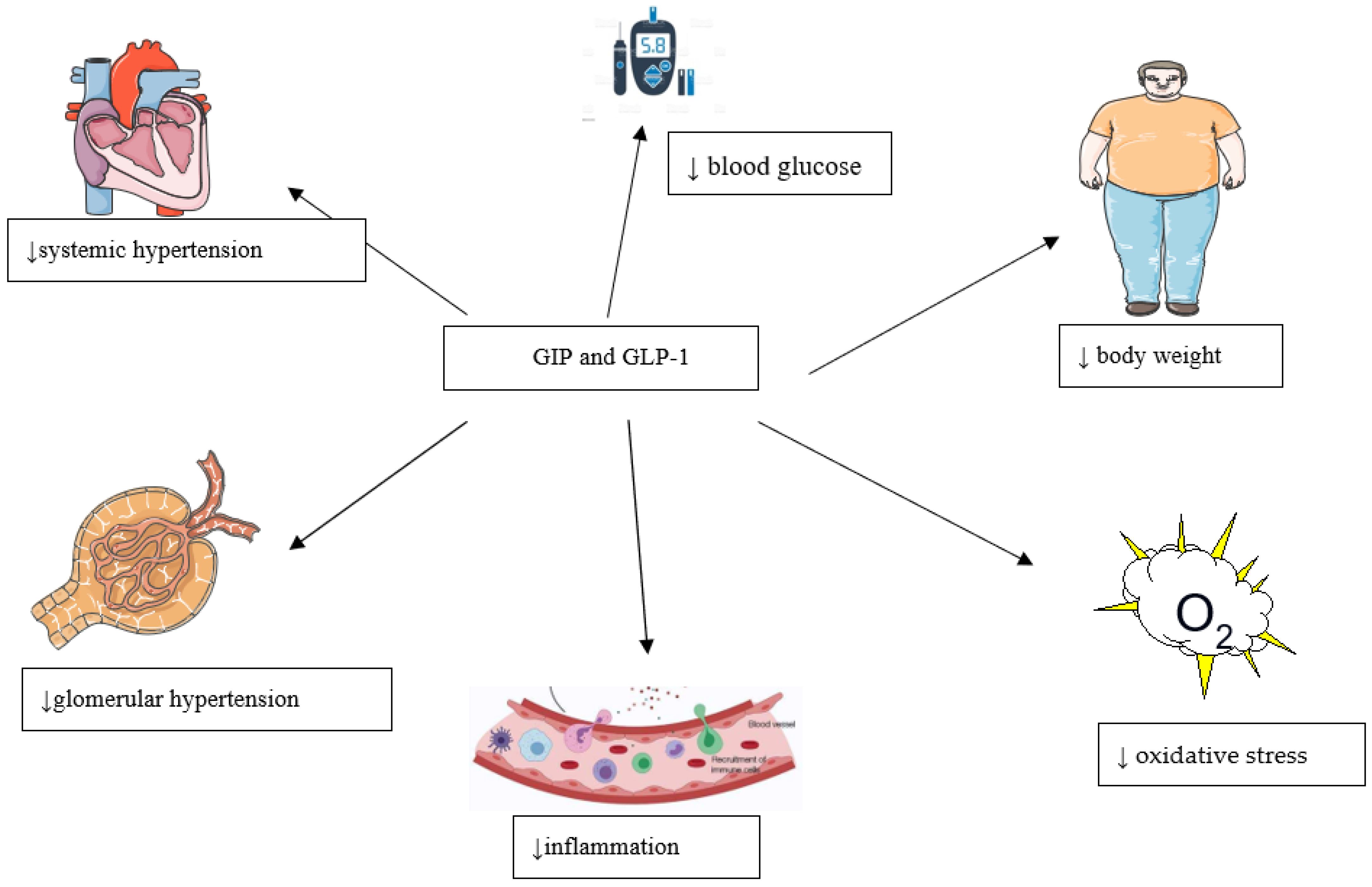
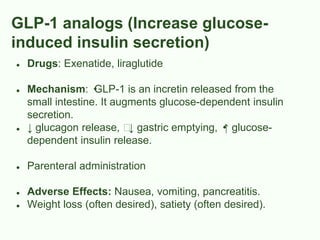
GLP-1 analogs work by activating the GLP-1 receptor, a protein on the surface of cells that responds to the hormone. This activation triggers a cascade of events that ultimately lead to improved glucose metabolism. Here are some of the key mechanisms by which GLP-1 analogs work: