Unlocking the Potential of 3D Printing Resin for Electrical Insulation
As the world of 3D printing continues to evolve, the demand for high-performance materials has never been greater. One of the most exciting developments in recent years is the use of 3D printing resin for electrical insulation. In this article, we'll delve into the world of 3D printing resin for electrical insulation, exploring its key properties, benefits, and applications.
Understanding Key Electrical Properties
When selecting 3D printing materials for electrical insulation applications, understanding key electrical properties such as dielectric strength and dielectric constant is essential. These properties determine how well a material insulates against electrical voltage and how it interacts with electrical signals, impacting safety, signal integrity, and overall performance.
The Rise of Conductive Resins
Recent trends in 3D printing have seen the emergence of conductive resins for SLA printing and multi-material printing to embed circuits inside insulating bodies. This has opened up new possibilities for creating complex electrical components and systems.
The Importance of Insulation in Electrical Applications
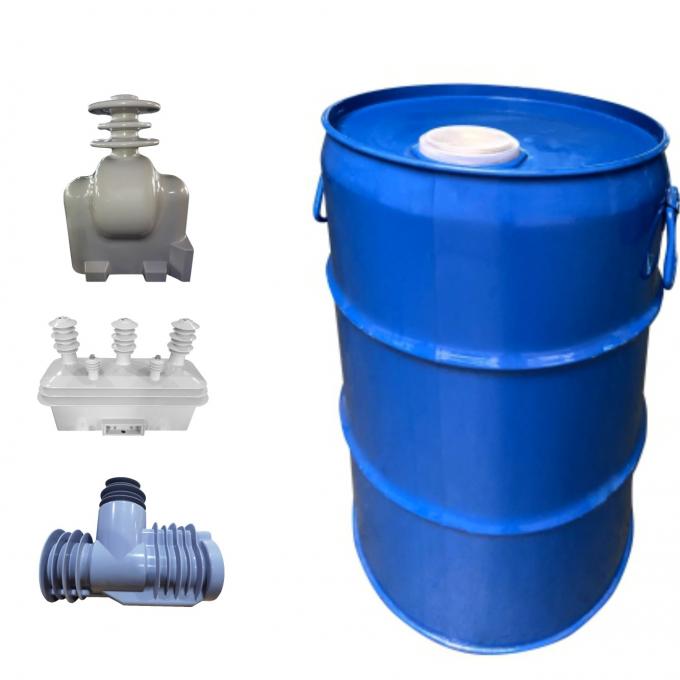
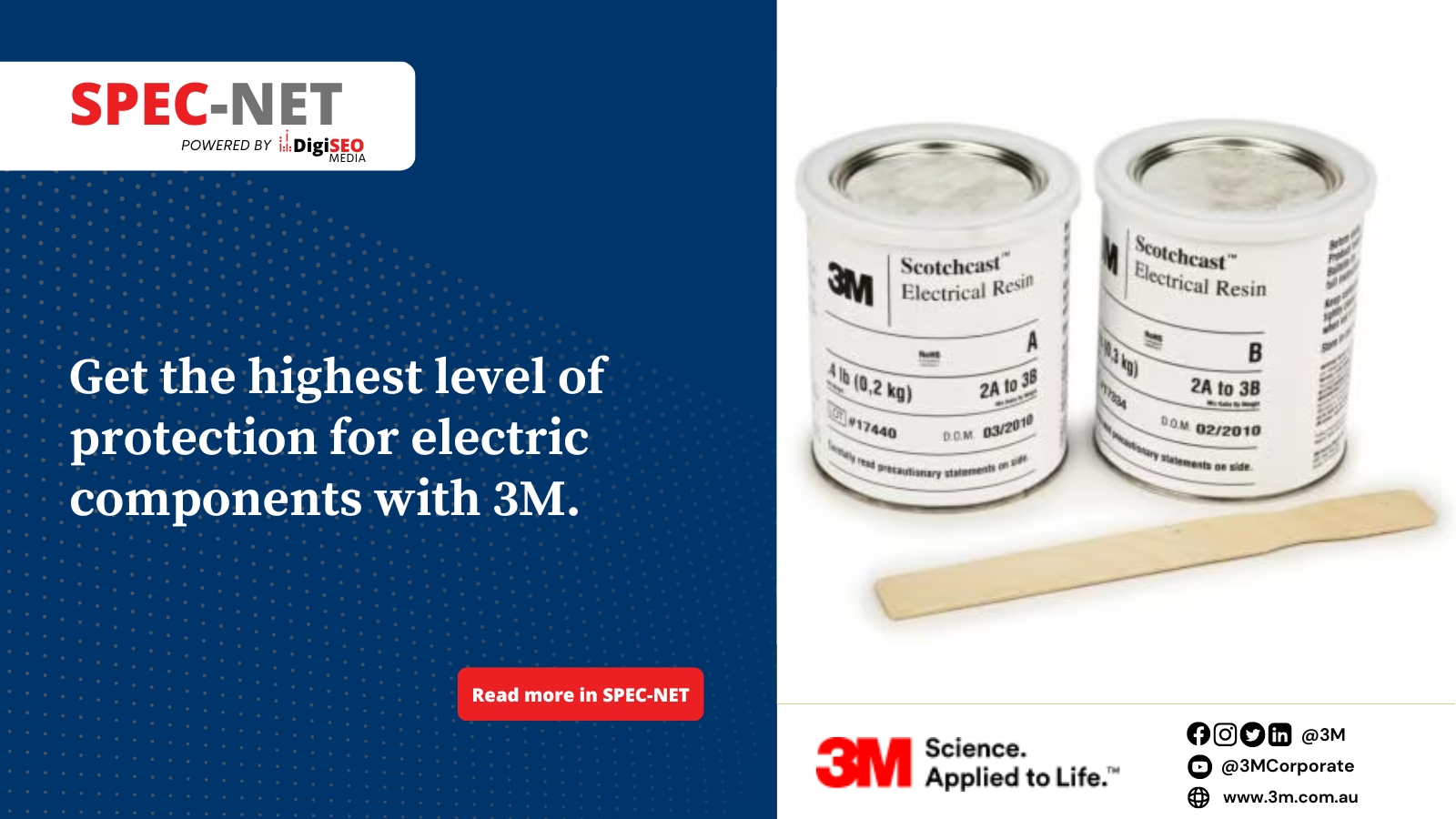
In electrical engineering, insulation is a critical component that prevents the unwanted flow of electricity. With the increasing demand for high-voltage electrical insulation, the need for specialized materials has never been greater. Thermosetting materials such as epoxy resins and liquid silicone rubbers are widely used for high-voltage products, but 3D printing resin offers a new level of flexibility and customization.