How to Manage GLP-1 Side Effects: Tips and Strategies for a Smooth Experience
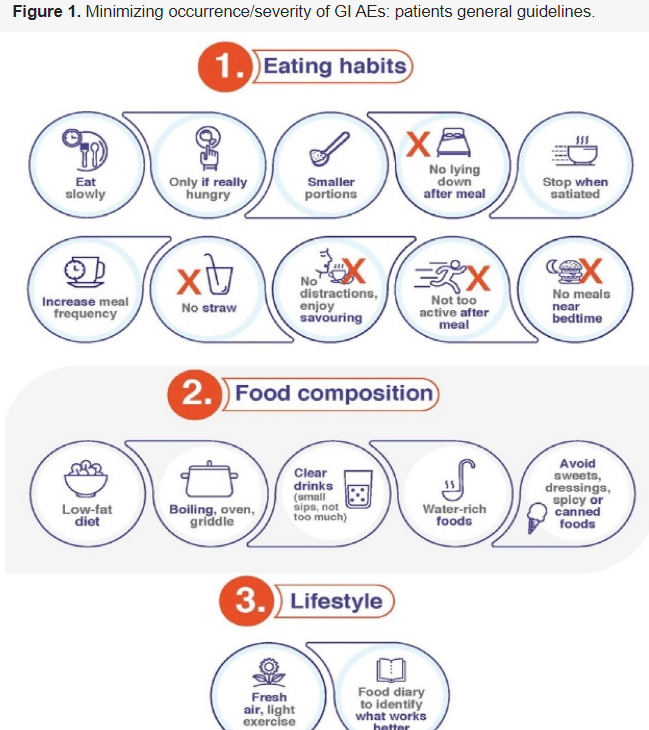
GLP-1 (Glucagon-like peptide-1) receptor agonists have revolutionized the treatment of type 2 diabetes and obesity, with several medications such as Ozempic, Wegovy, and Mounjaro gaining popularity due to their effectiveness in improving blood sugar control and supporting weight loss. However, these medications can cause side effects, particularly gastrointestinal symptoms like nausea, constipation, and stomach pain. In this article, we will explore the common side effects of GLP-1 medications, how to manage them, and provide you with evidence-based strategies to minimize discomfort and maximize the benefits of these treatments.
Common GLP-1 Side Effects
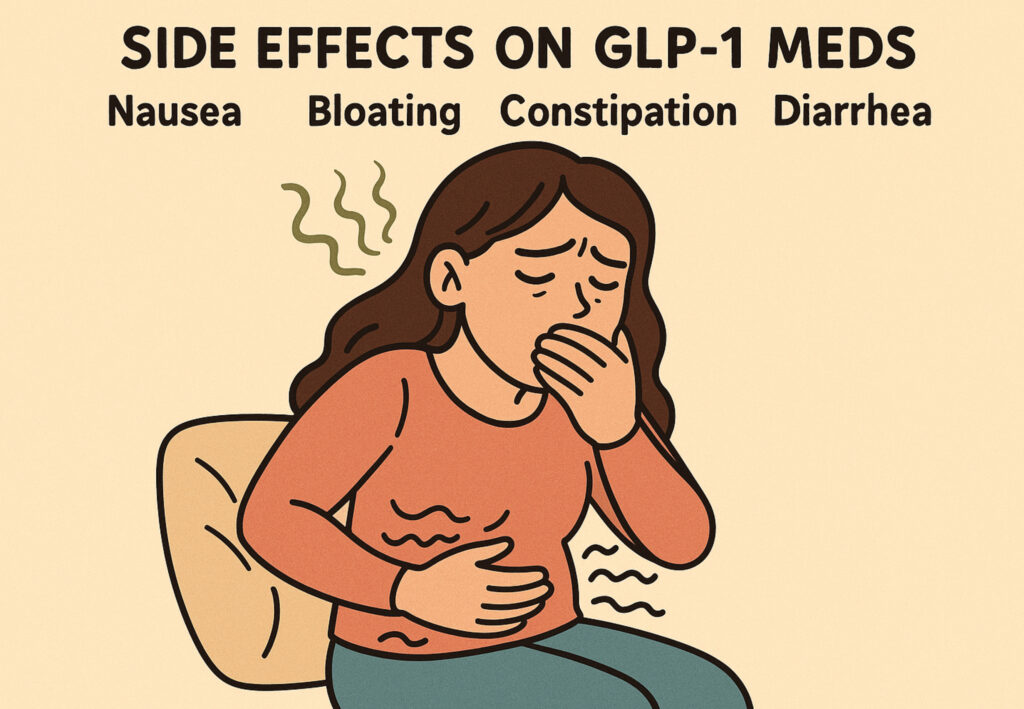
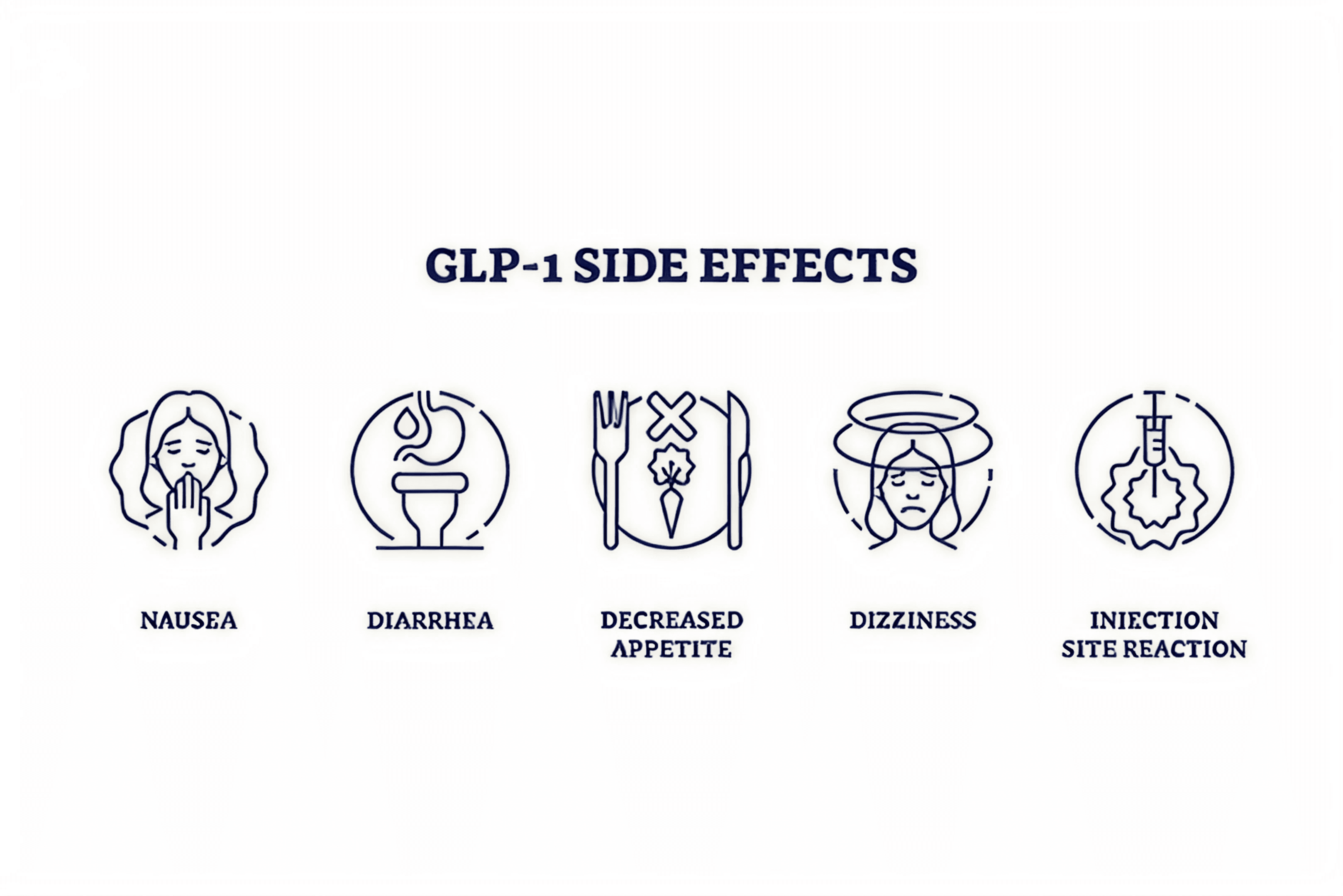
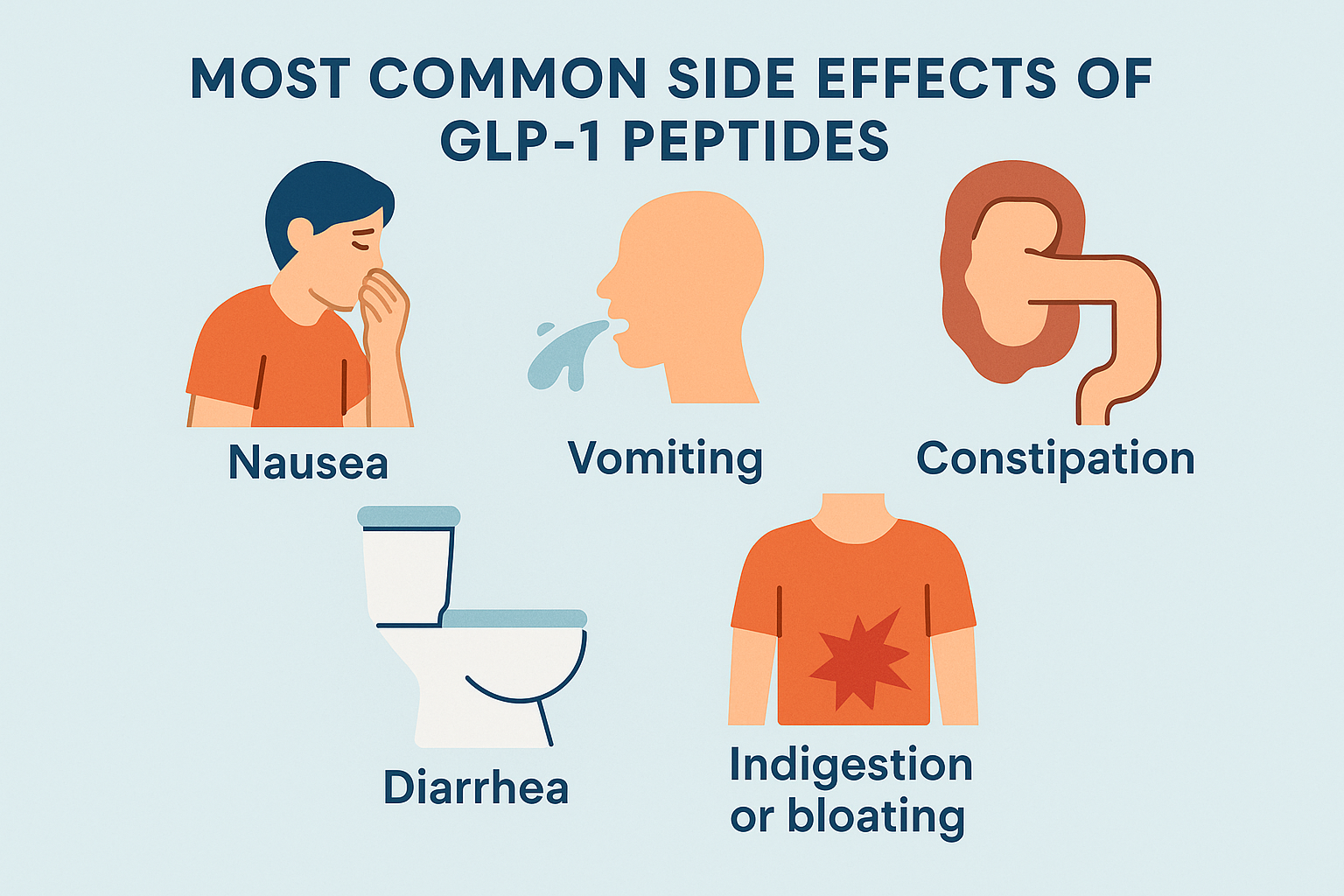
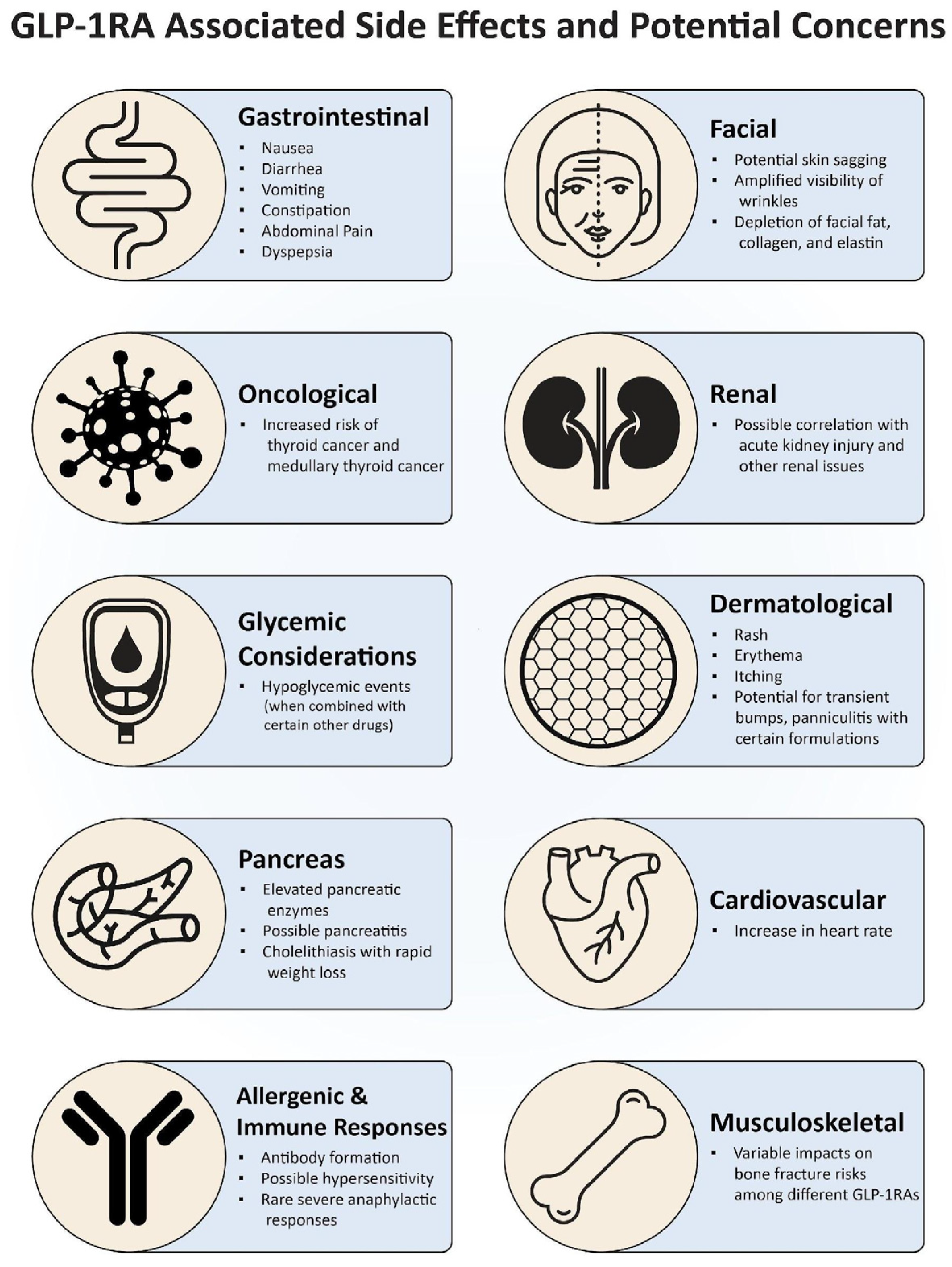
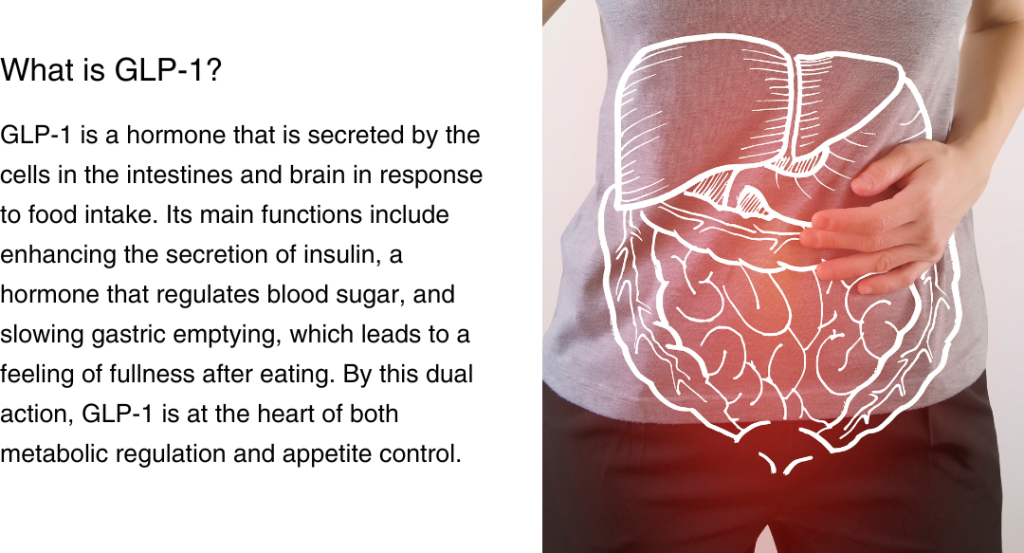
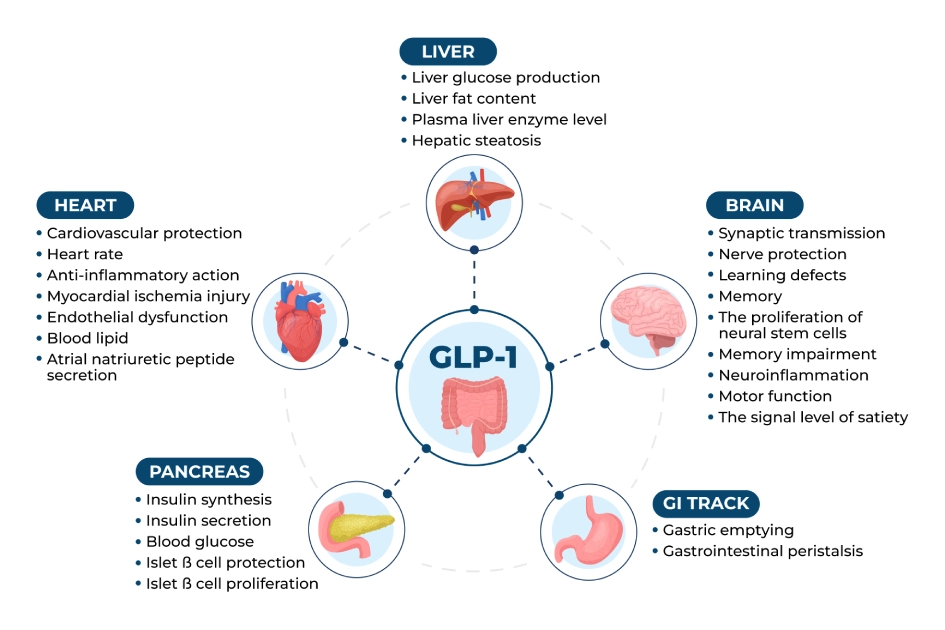
GLP-1 medications work by mimicking the action of natural GLP-1 hormones in the body, which slow gastric emptying and regulate appetite. However, this mechanism can lead to several gastrointestinal side effects, including:

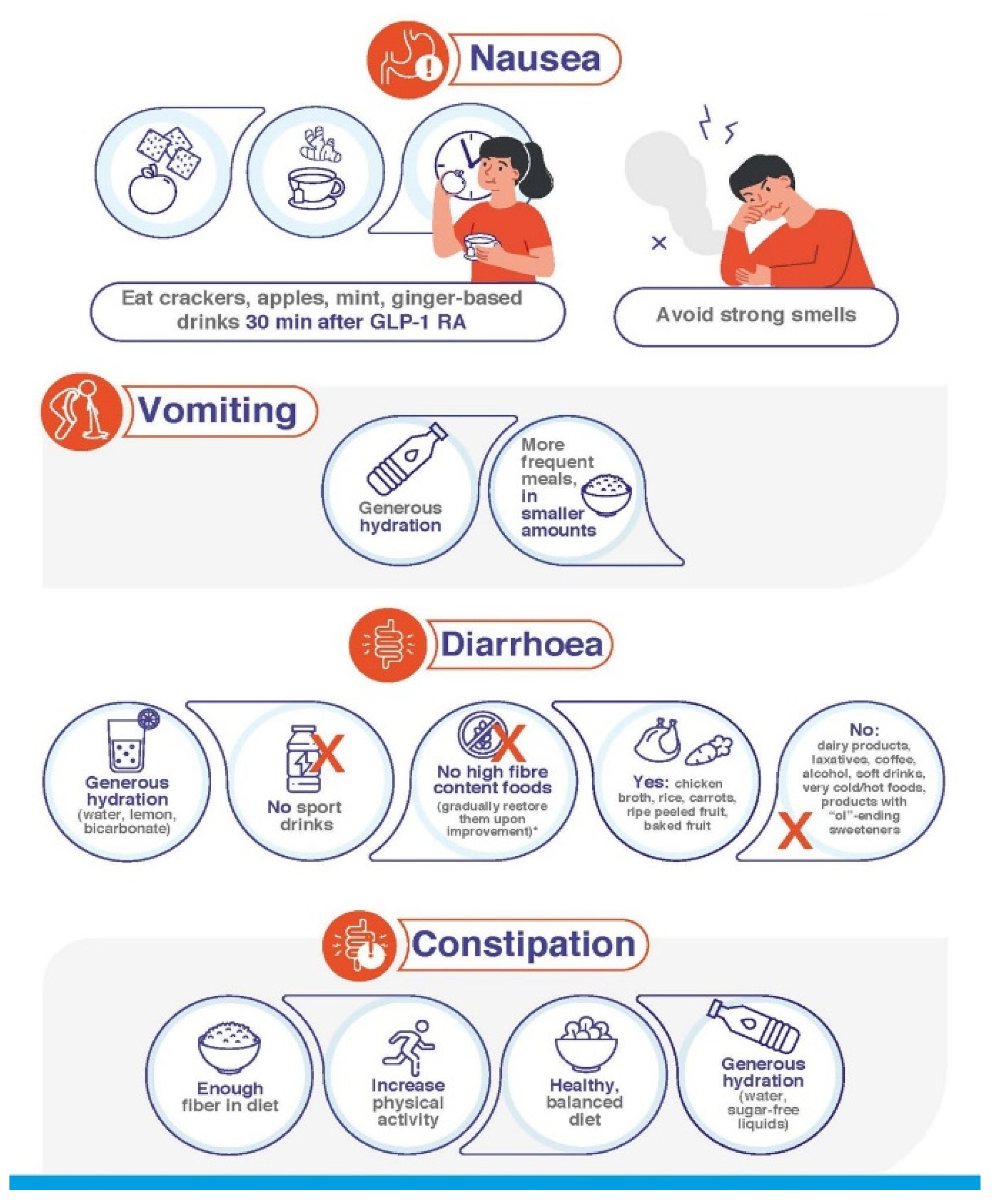
- Nausea and vomiting: These side effects are often experienced during the initial stages of treatment and may subside as the body adjusts to the medication.
- Constipation: Changes in bowel habits and decreased bowel movements are common, but lifestyle modifications can help alleviate these symptoms.
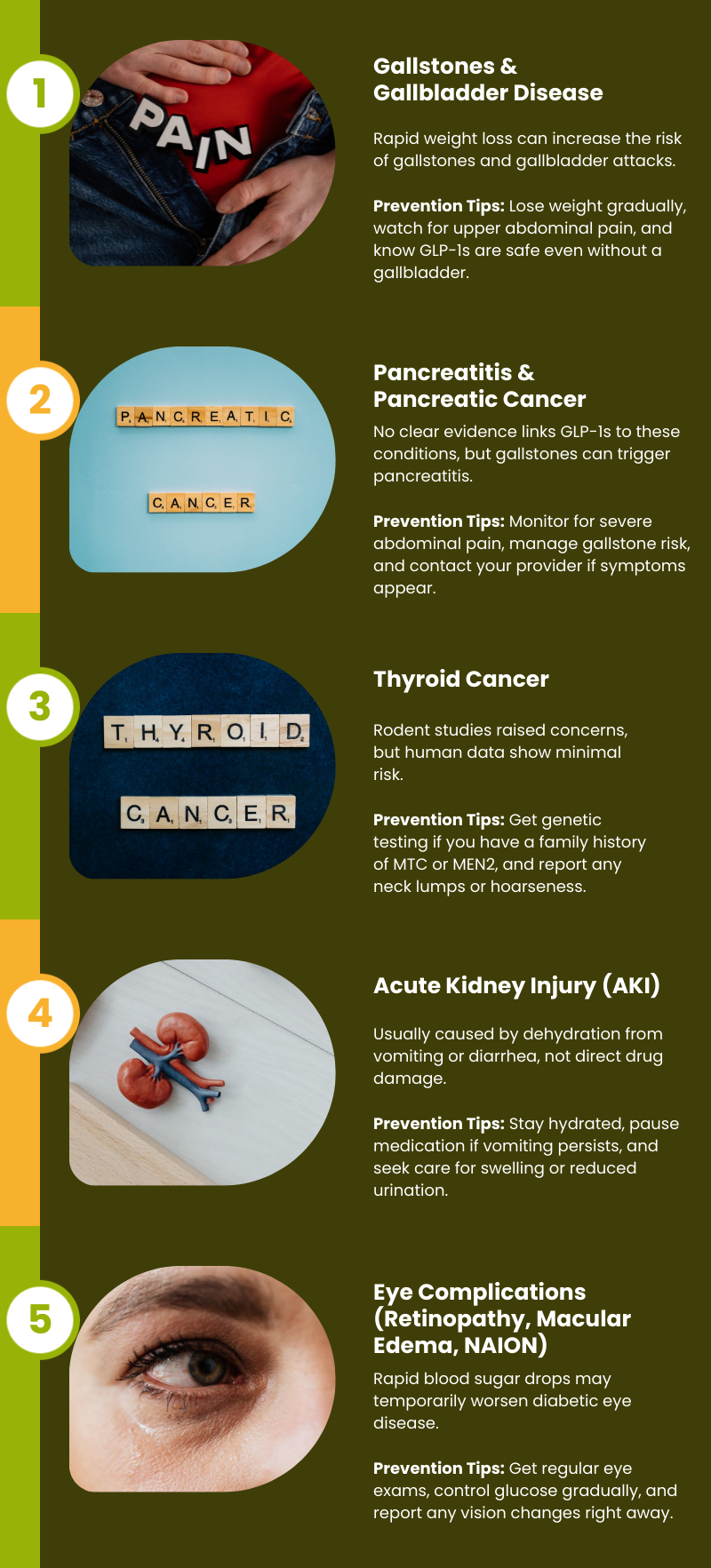
- Stomach pain and discomfort: Patients may experience bloating, cramps, and abdominal tenderness, especially after meals.