How to Create a Long Tail Keyword Marketing Strategy that Actually Works
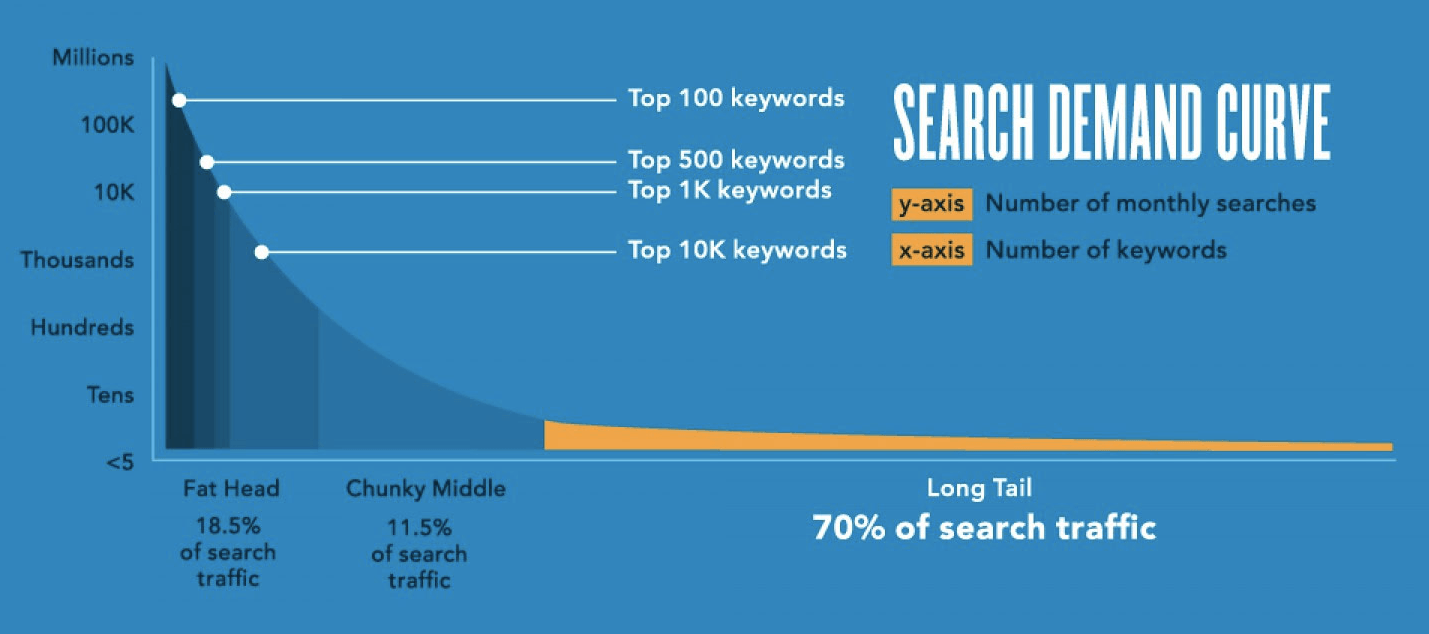
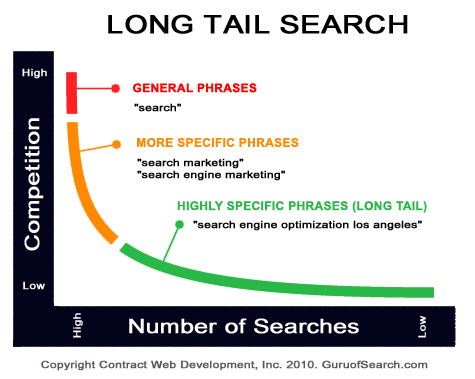
Long-tail keywords are highly precise search engine queries that can help you get more high-quality traffic to your website. But did you know that targeting long-tail keywords is a powerful SEO strategy that offers lower competition, higher conversion rates, and better user engagement? In this comprehensive guide, we will delve into the benefits of long-tail keywords, how to conduct thorough keyword research, and most importantly, how to implement a solid long-tail keyword strategy that will skyrocket your website's visibility in search engine results.
Benefits of Long-Tail Keywords
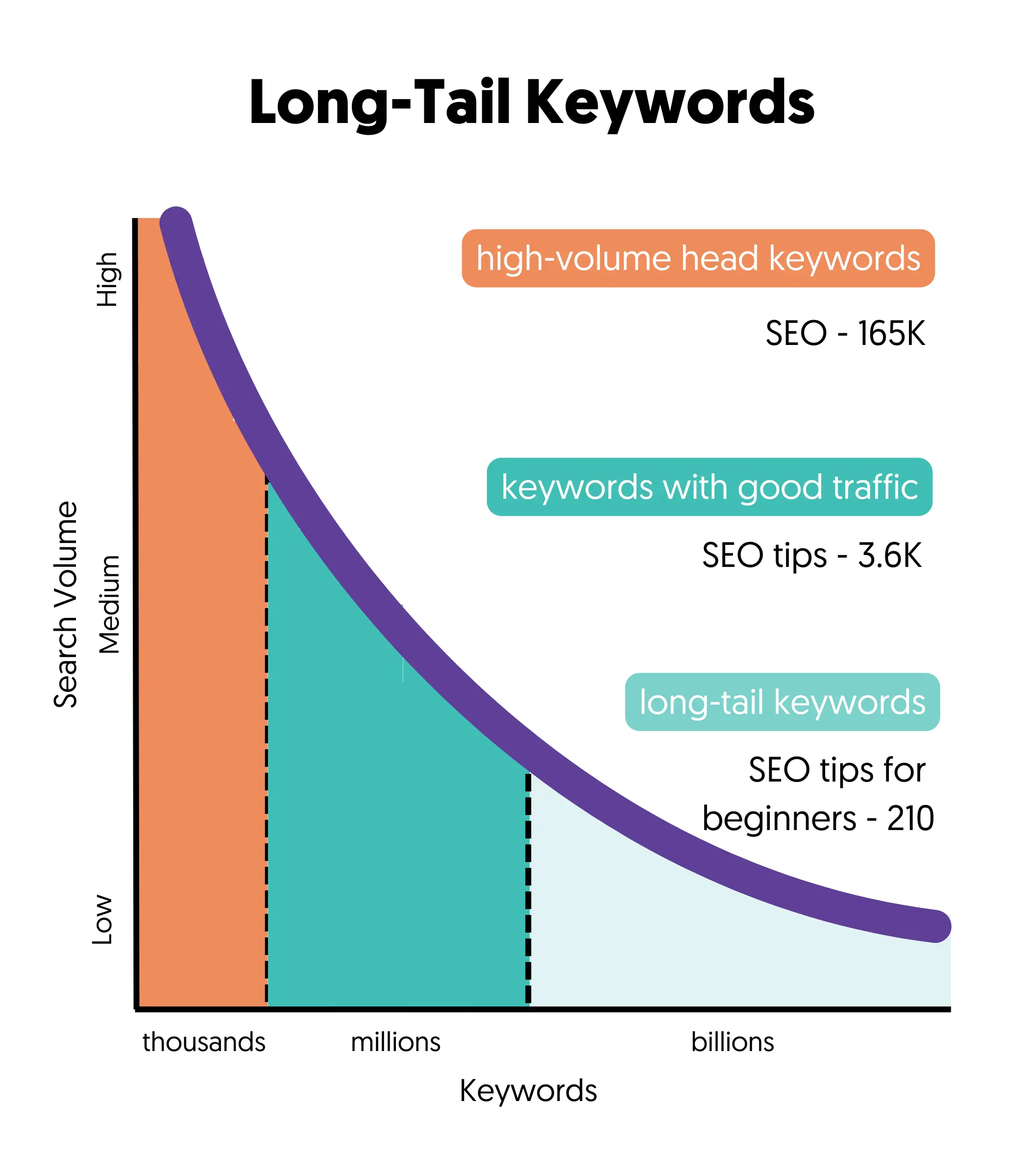
Long-tail keywords might not be the flashy stars of the SEO universe, but they sure know how to get the job done. They're like the unsung heroes of digital marketing, quietly working behind the scenes to attract niche audiences and drive meaningful traffic. If you're keen on getting your website noticed without battling for those ultra-competitive short keywords, you're in the right place.
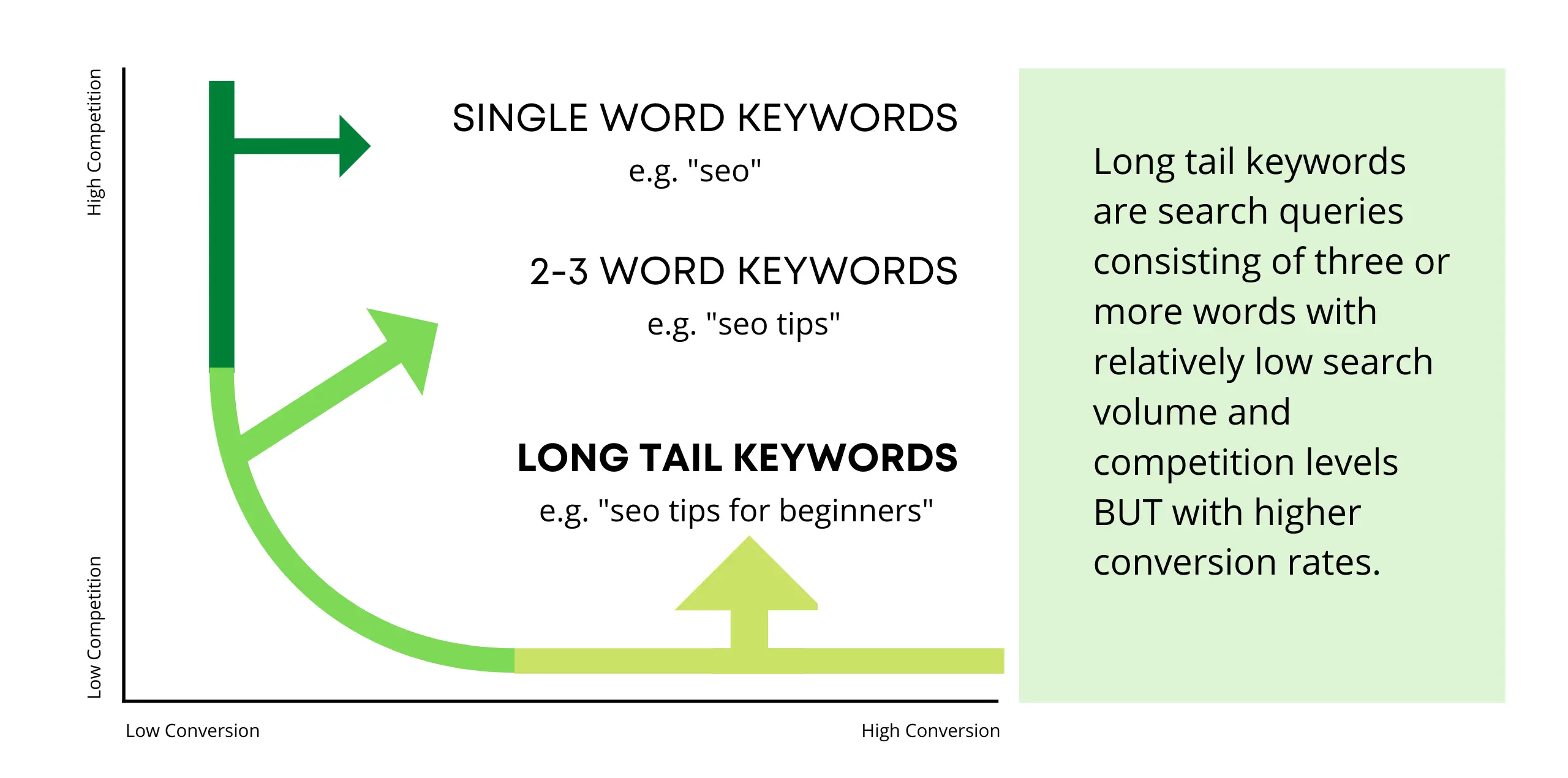
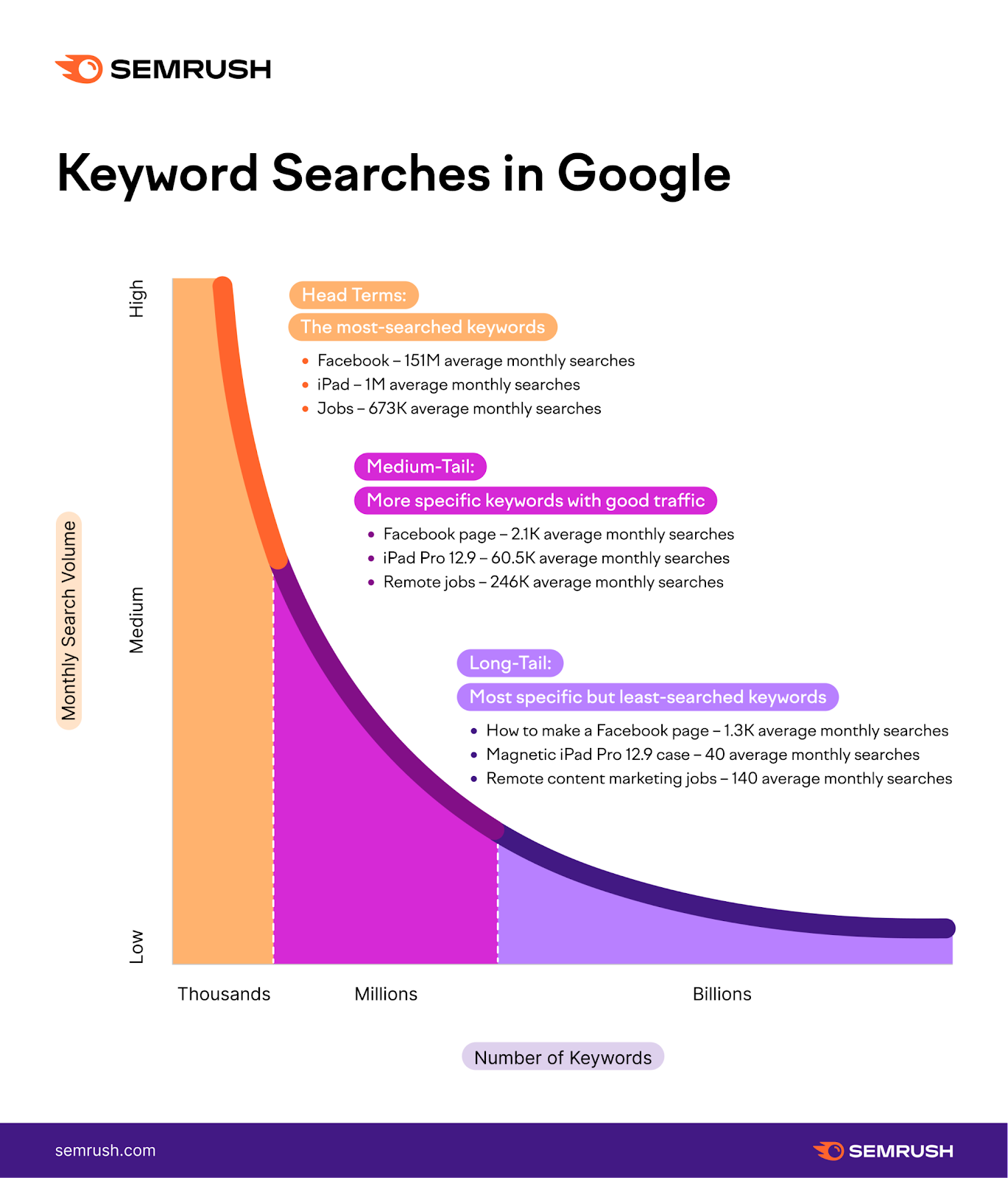
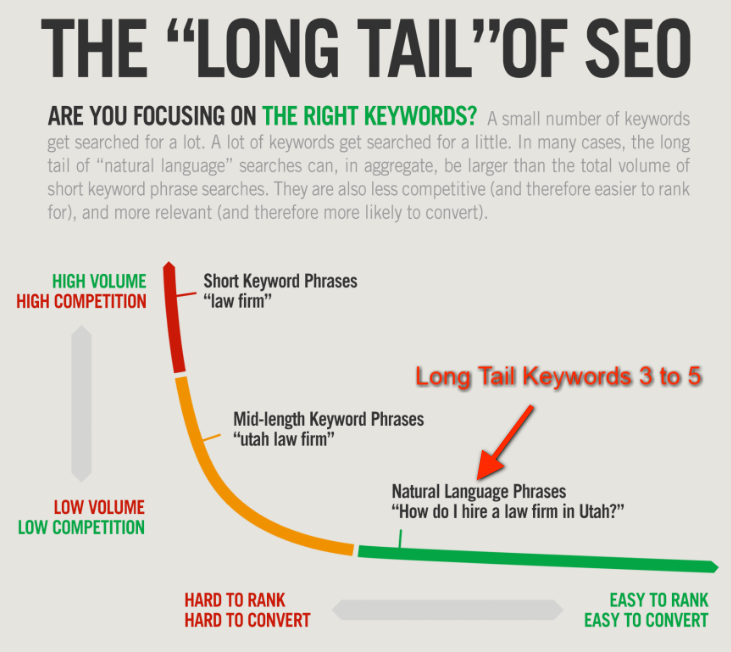
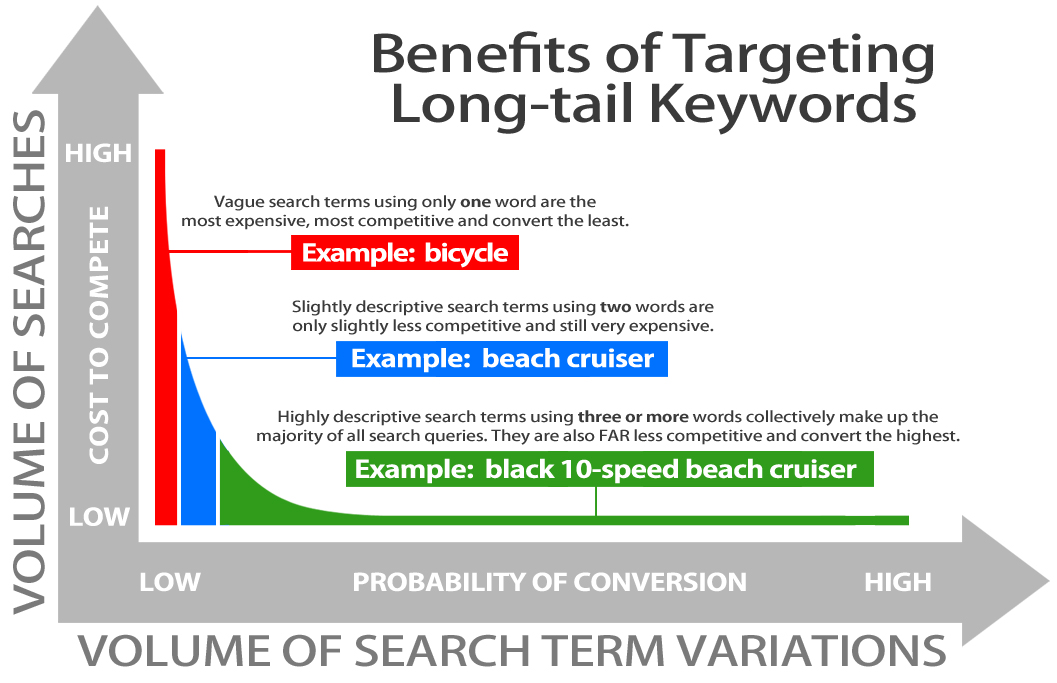
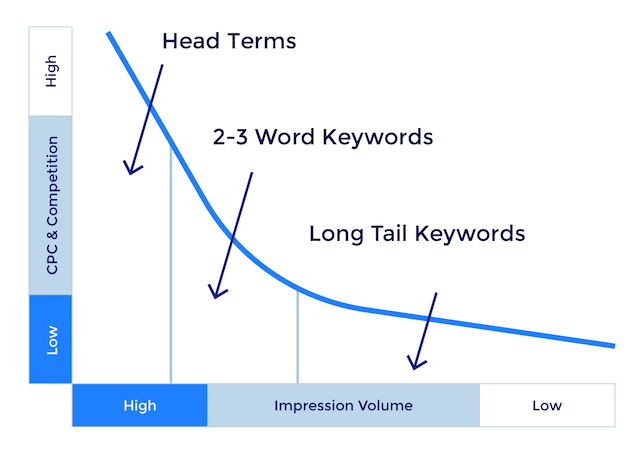
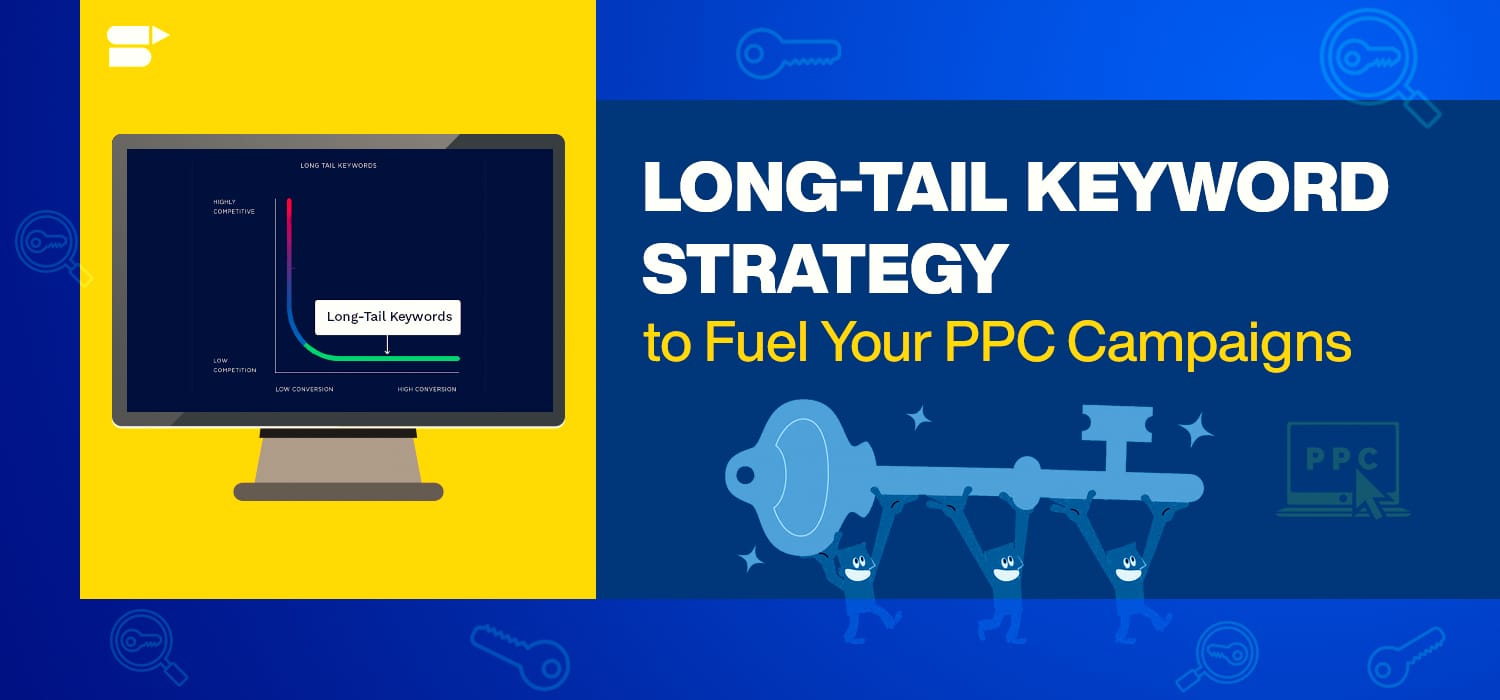
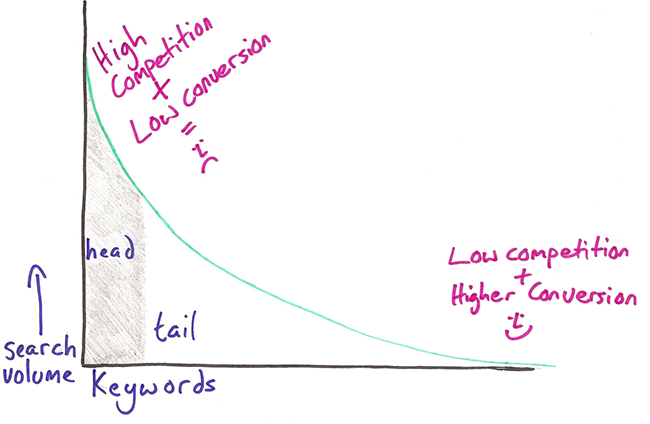
- Lower competition: Long-tail keywords have less competition compared to short keywords, making it easier to rank and attract targeted traffic.
- Higher conversion rates: Long-tail keywords are more specific and match search intent, leading to higher conversion rates and more qualified search traffic.
- Better user engagement: Long-tail keywords attract targeted traffic that is more interested in your content, resulting in better user engagement and higher click-through rates.
- Lower costs per click: Long-tail keywords typically have lower costs per click compared to short keywords, making them a more cost-effective option for marketers.