Glucose-Dependent Insulinotropic Peptide: Unlocking the Secrets of Glucose Regulation
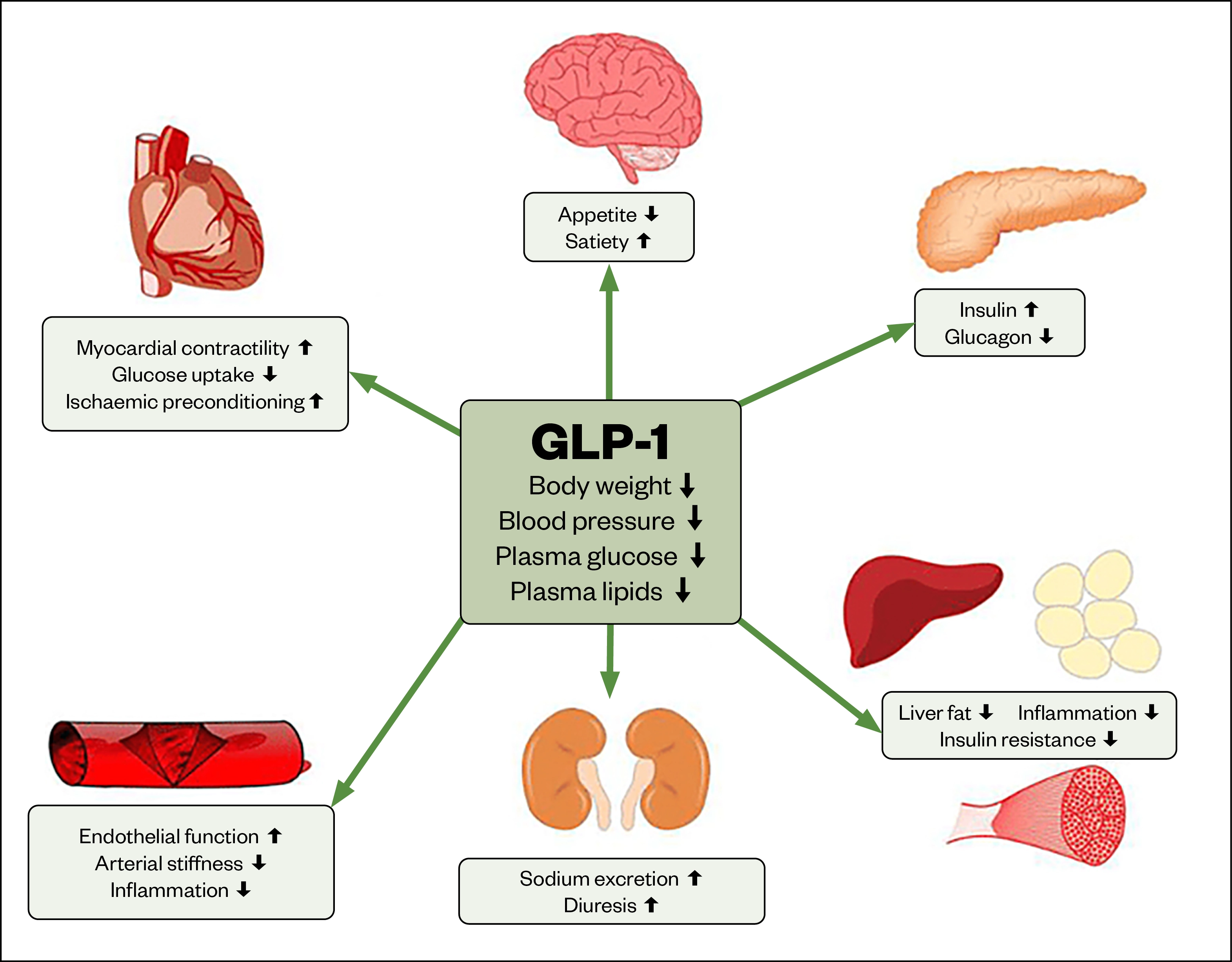
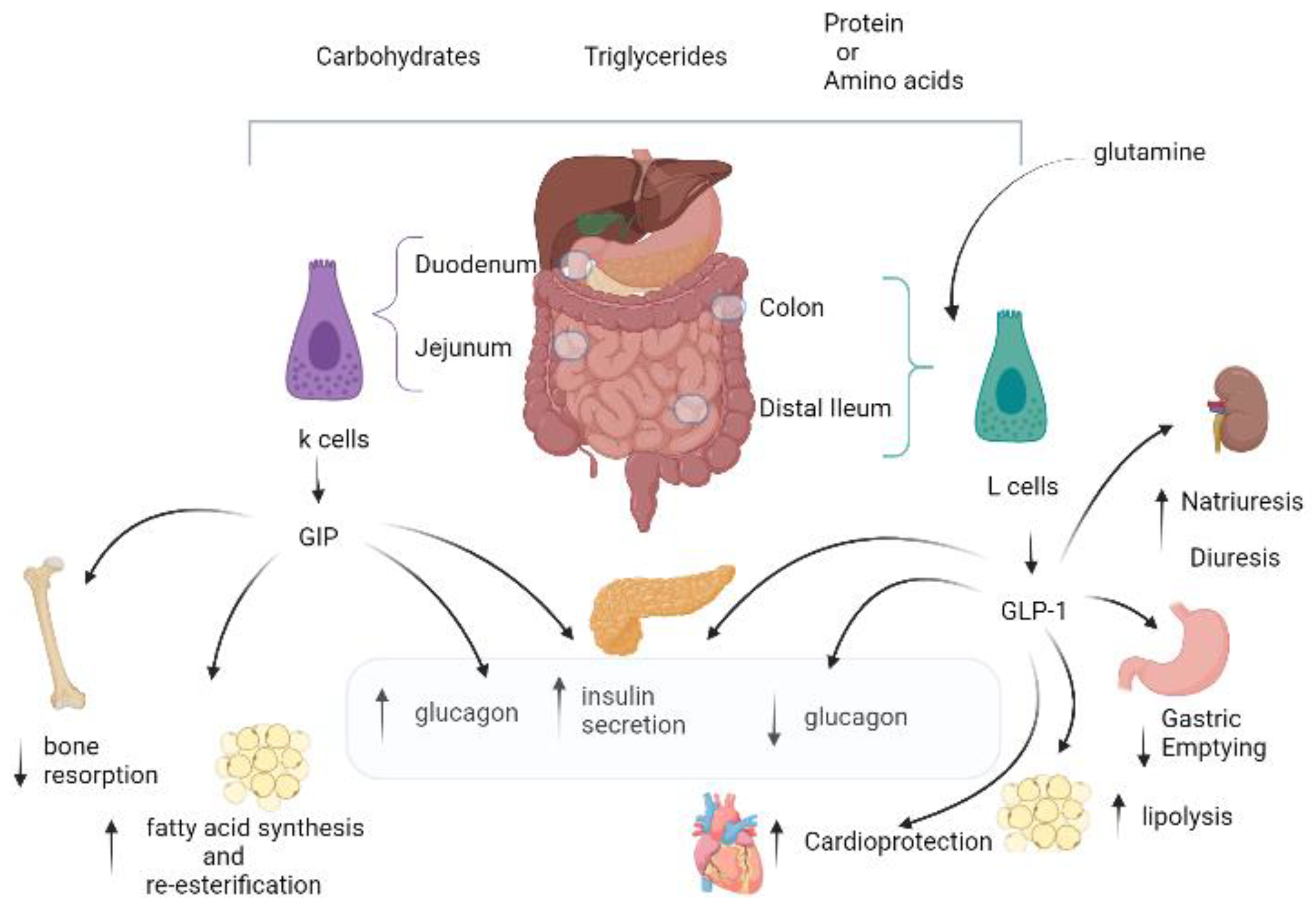
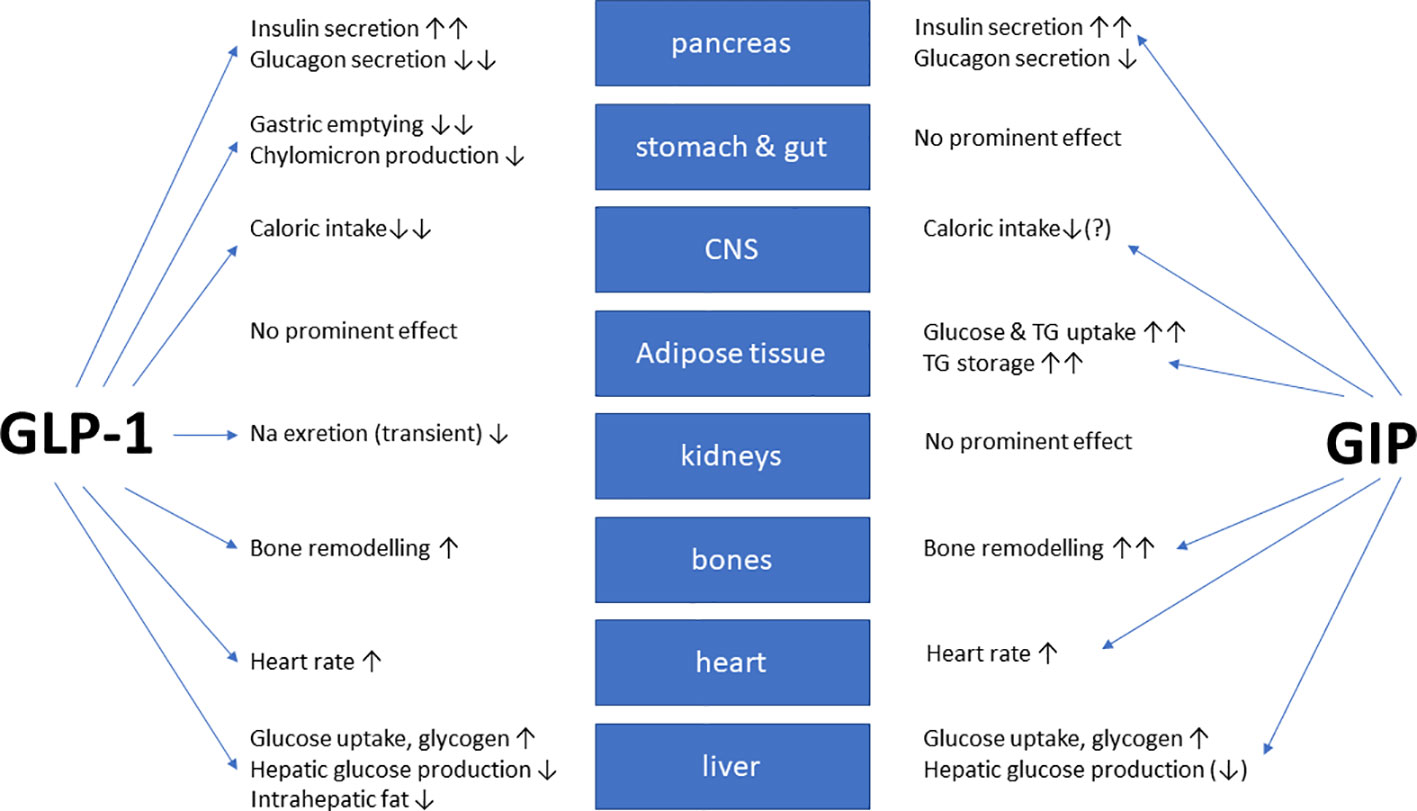
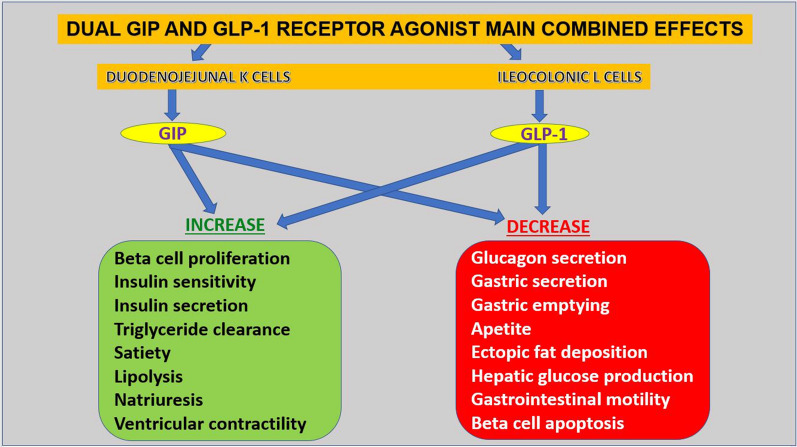
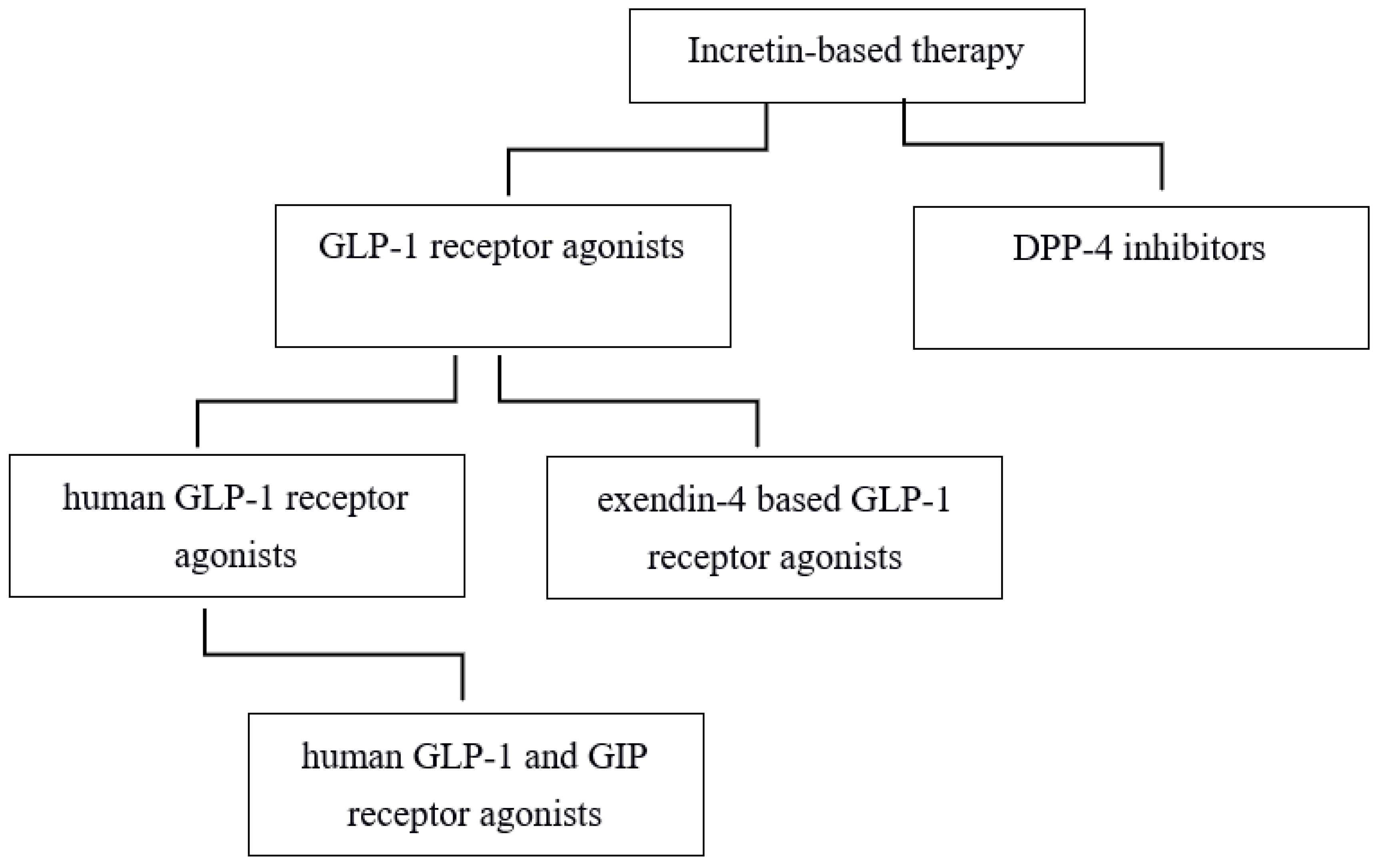
Glucose-dependent insulinotropic peptide (GIP) is a hormone that plays a crucial role in regulating glucose levels in the body. As one of the two main incretin hormones, GIP works in tandem with glucagon-like peptide-1 (GLP-1) to enhance glucose-dependent insulin secretion and promote glucose disposal. In this article, we will delve into the world of GIP, exploring its mechanisms of action, its role in glucose regulation, and its potential as a therapeutic target for the treatment of diabetes and obesity.
The Discovery of GIP
The discovery of GIP dates back to the 1960s, when researchers first isolated the hormone from porcine small intestine. Initially named gastric inhibitory polypeptide (GIP) due to its ability to inhibit gastric acid secretion, GIP was later found to have a more significant role in glucose regulation. Today, GIP is recognized as a key player in the incretin system, which plays a vital role in maintaining glucose homeostasis.

How GIP Works
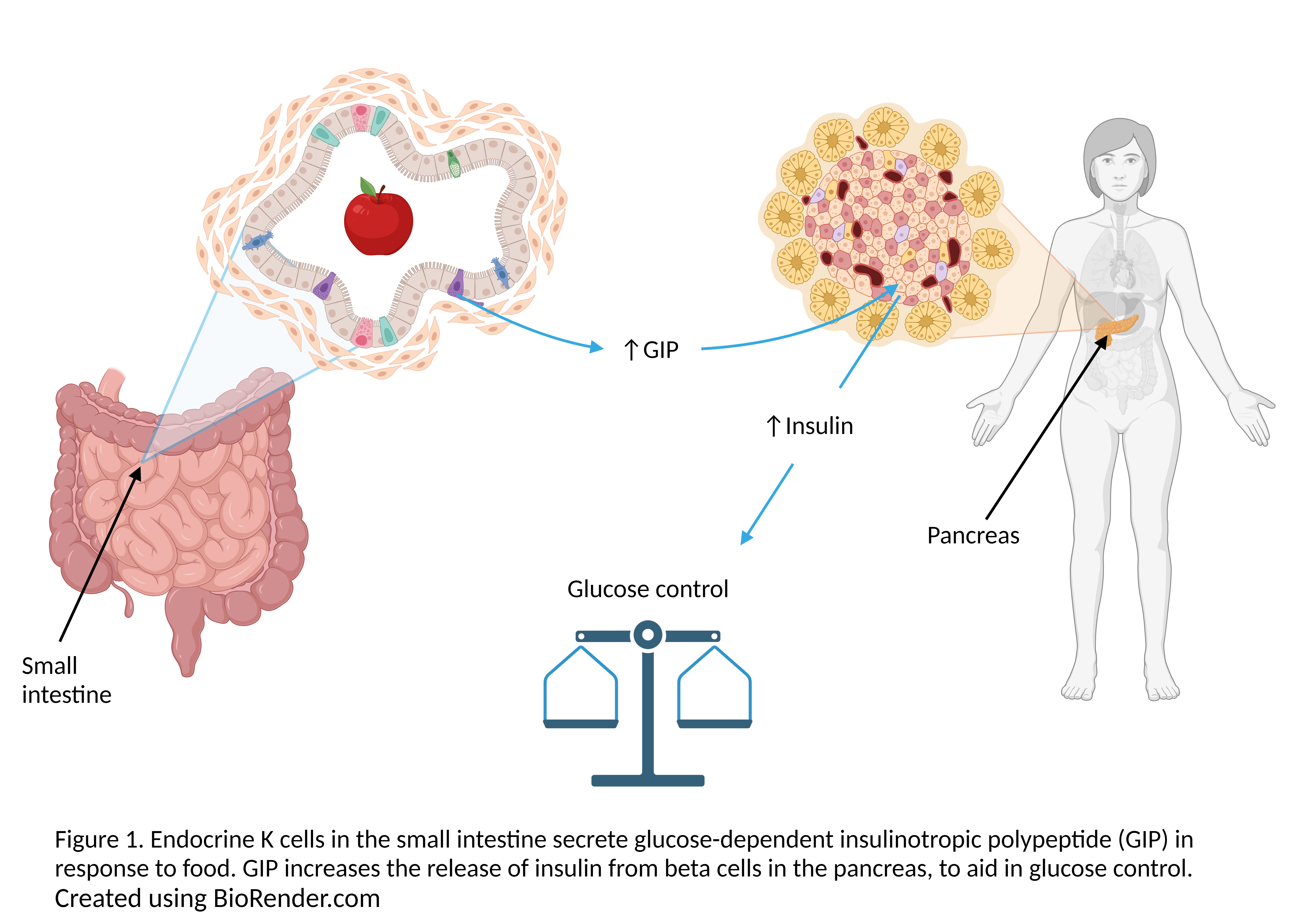
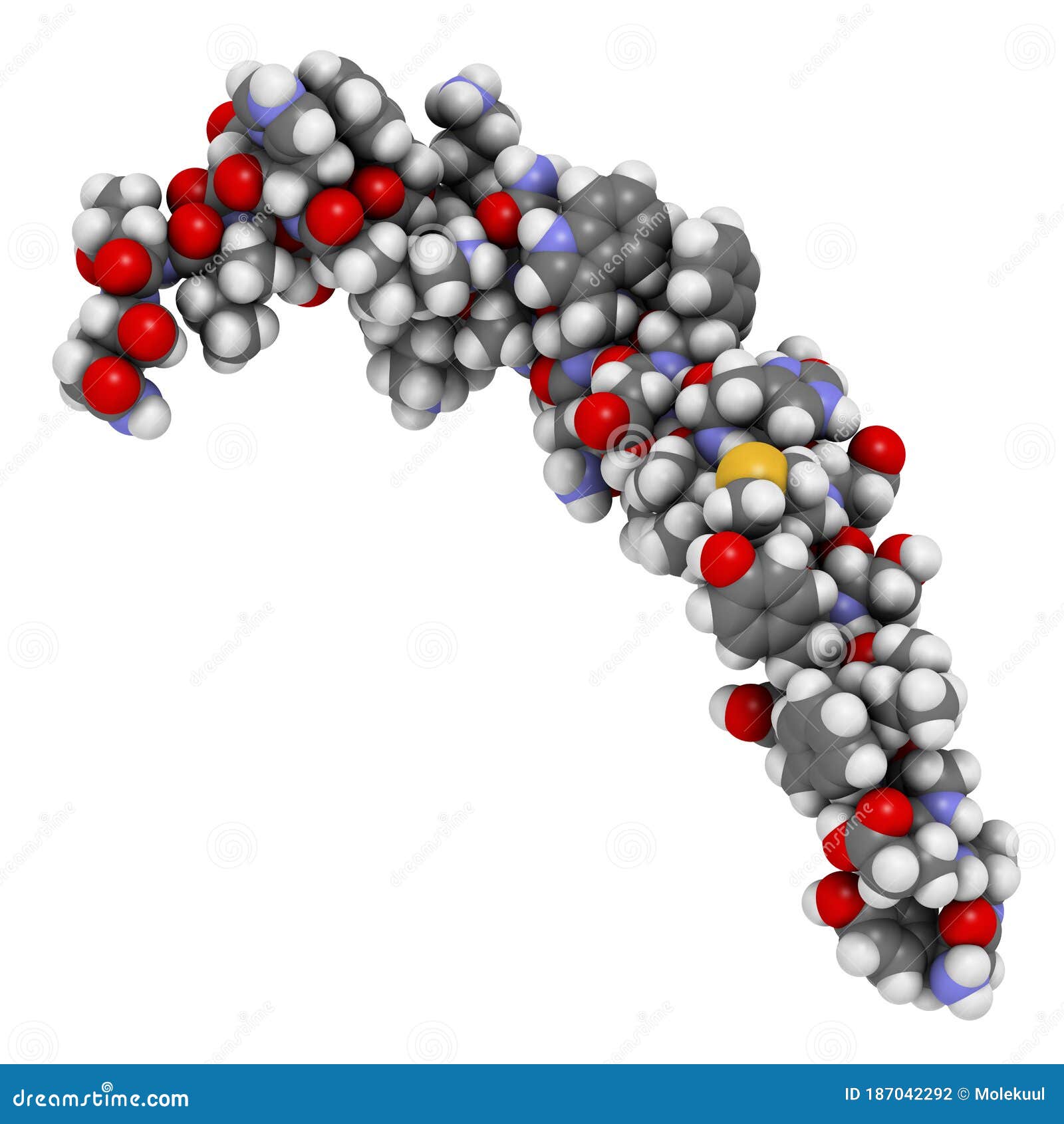
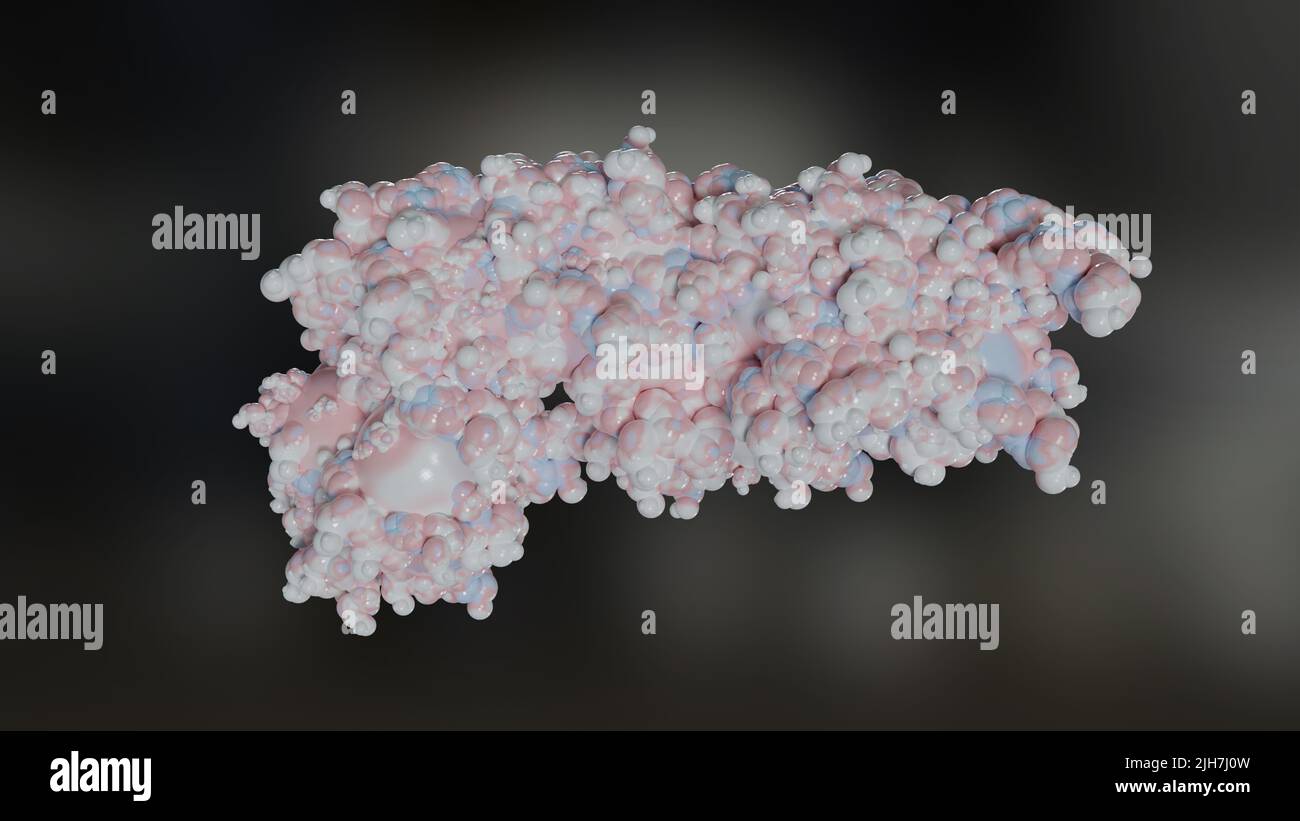
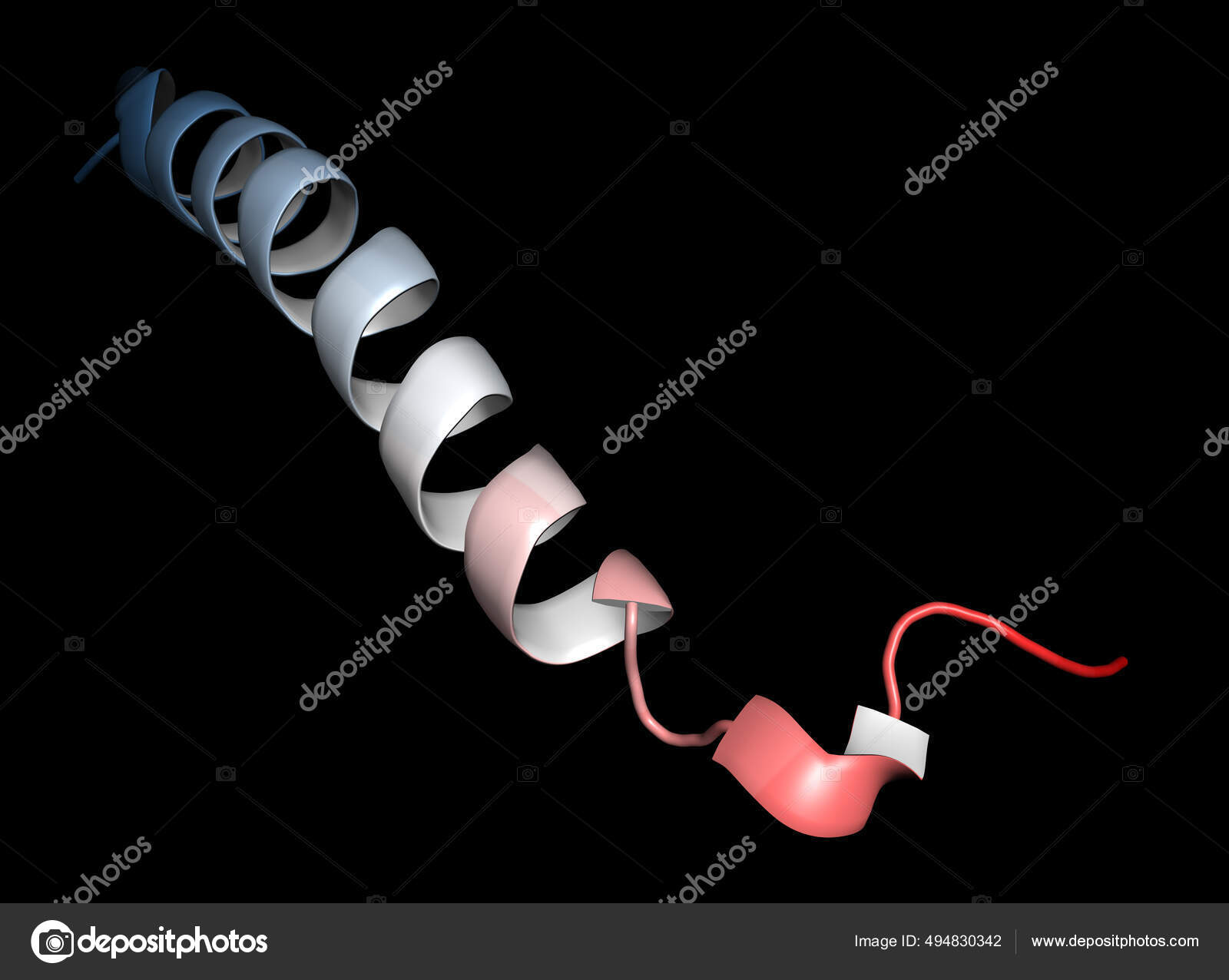
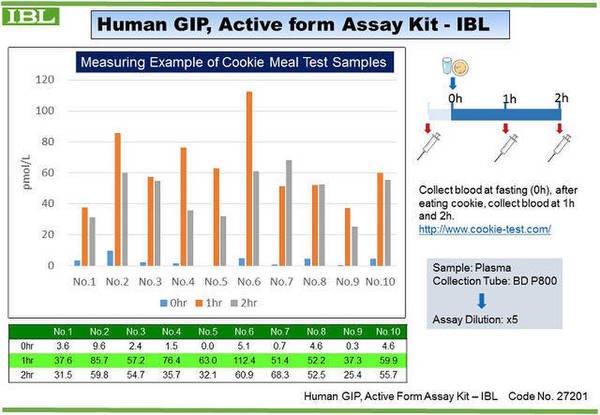
GIP is a 42-amino acid peptide hormone that is secreted by enteroendocrine K cells in the proximal intestine in response to nutrient intake. Once released, GIP acts on the pancreas to enhance glucose-dependent insulin secretion, suppressing glucagon release and promoting glucose disposal. GIP's mechanisms of action are complex and multifaceted, involving the activation of various signaling pathways and the modulation of gene expression.