Establishing a Green Network Setup for Green Communication
With the ever-increasing demand for communication and the growth of the internet of things (IoT), the energy consumption of communication networks has become a significant concern. Green communication and networking aim to reduce the energy consumption and environmental impact of communication networks while maintaining the quality of service for users. In this article, we will explore the concept of green networking and how to establish a green network setup for green communication.
Understanding Green Communication
Green communication refers to the implementation of hardware or software techniques in the Information and Communication Technology (ICT) sector that aim to reduce energy consumption. It is motivated by the need to mitigate environmental pollution and reduce economic costs associated with ICT operations. Green communication involves reducing the energy consumption of communication networks, networks, and devices, as well as using renewable energy sources, energy-harvesting technologies, and energy-efficient protocols.
Key Components of a Green Network Setup
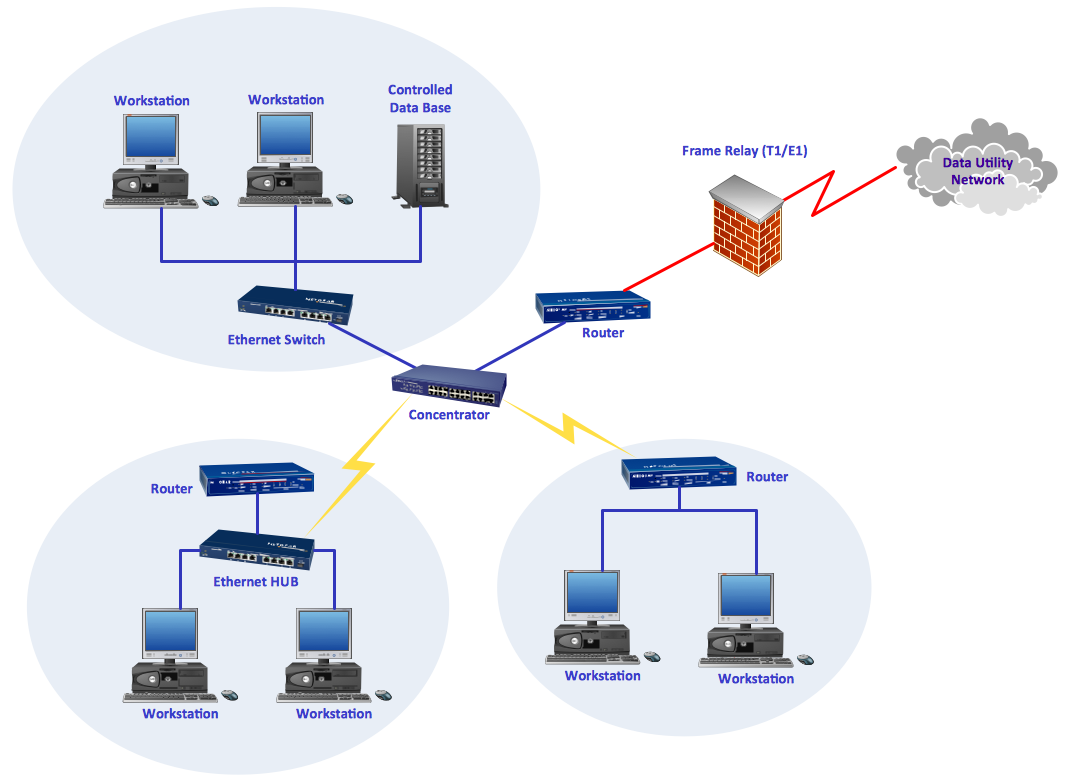
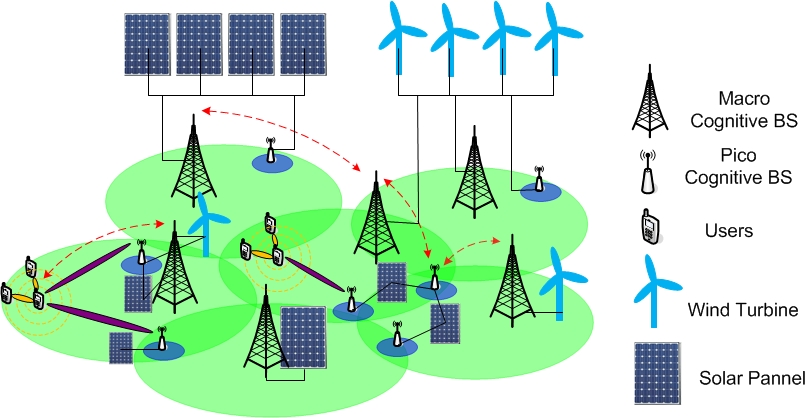
A green network setup for green communication consists of several key components: energy-efficient routing protocols, green network architectures, renewable energy integration, optimization techniques, and policy considerations. Energy-efficient routing protocols, such as green routing protocols and distance-vector routing protocols, can reduce energy consumption by minimizing network congestion and packet loss. Green network architectures, such as Wireless Sensor Network (WSN) architecture, use low-power devices and reduce energy consumption by minimizing the number of devices and the number of transmissions.