Understanding Export License Control: A Comprehensive Guide
The world of international trade is governed by a complex set of regulations, designed to ensure that sensitive technologies and goods do not fall into the wrong hands. One of the most critical aspects of this system is export license control, which plays a vital role in maintaining national security, upholding international agreements, and promoting economic stability.
What is Export License Control?
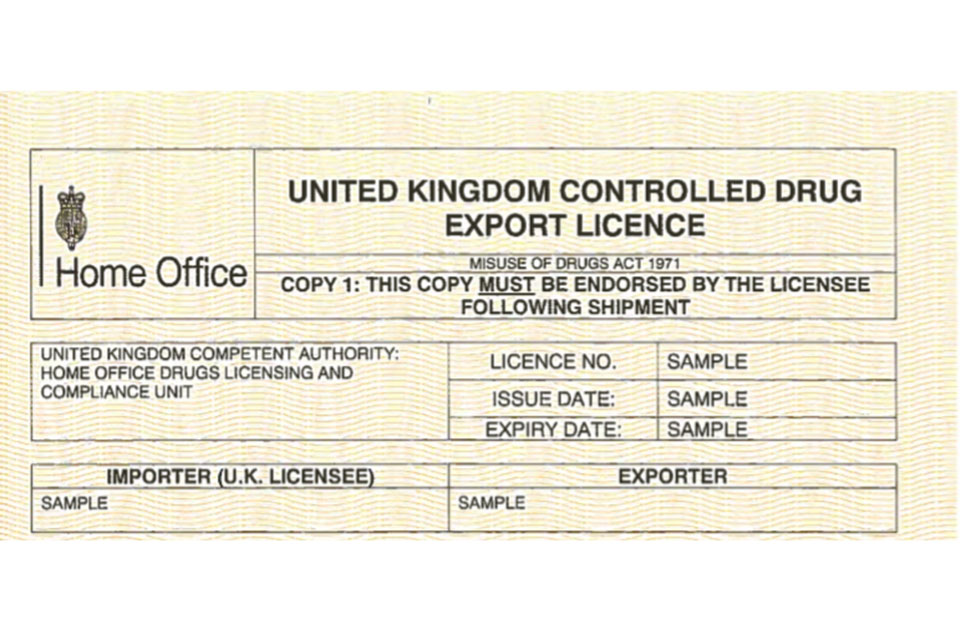
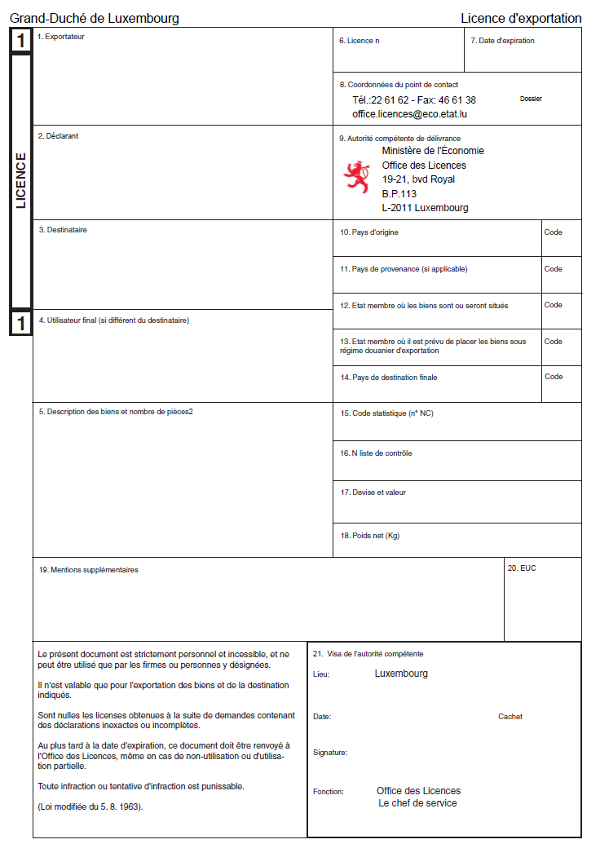
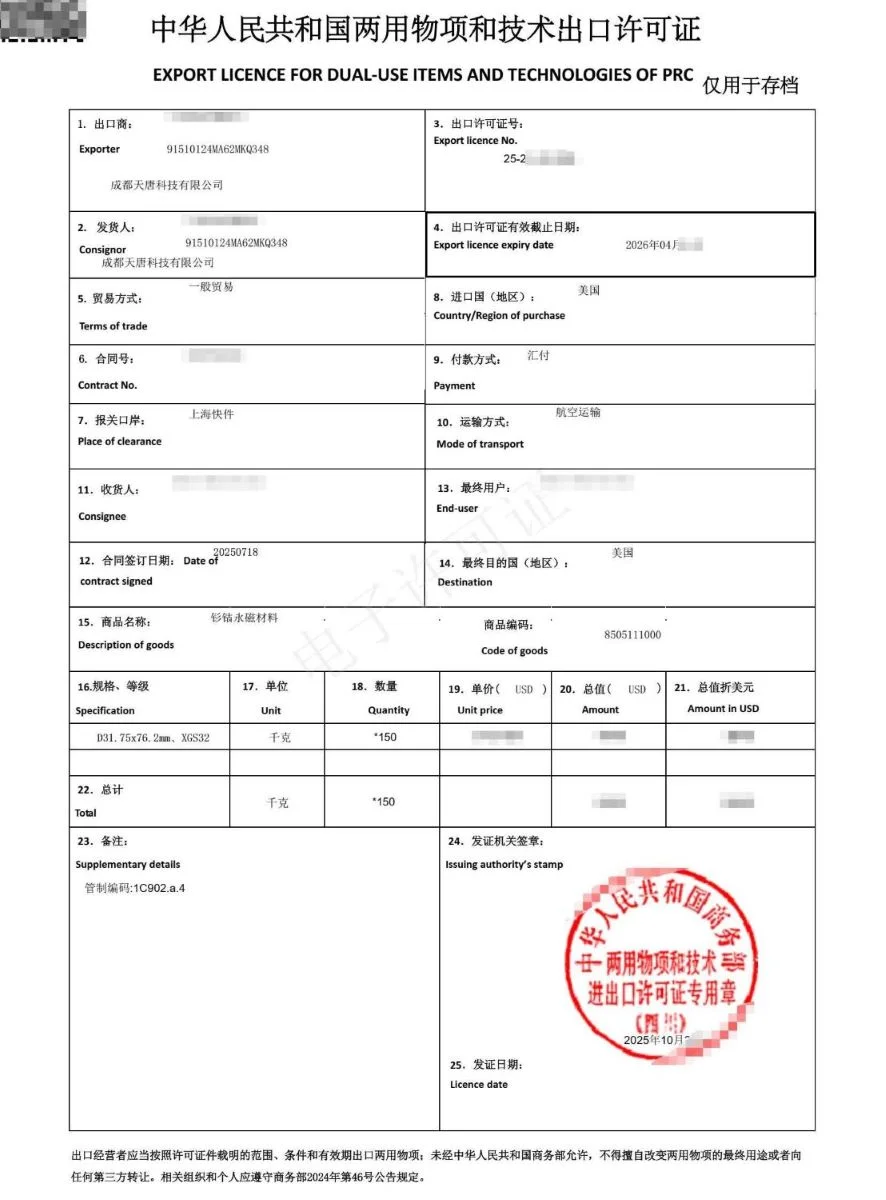
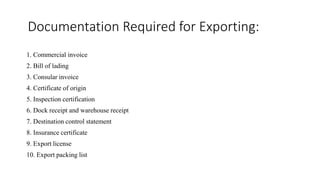
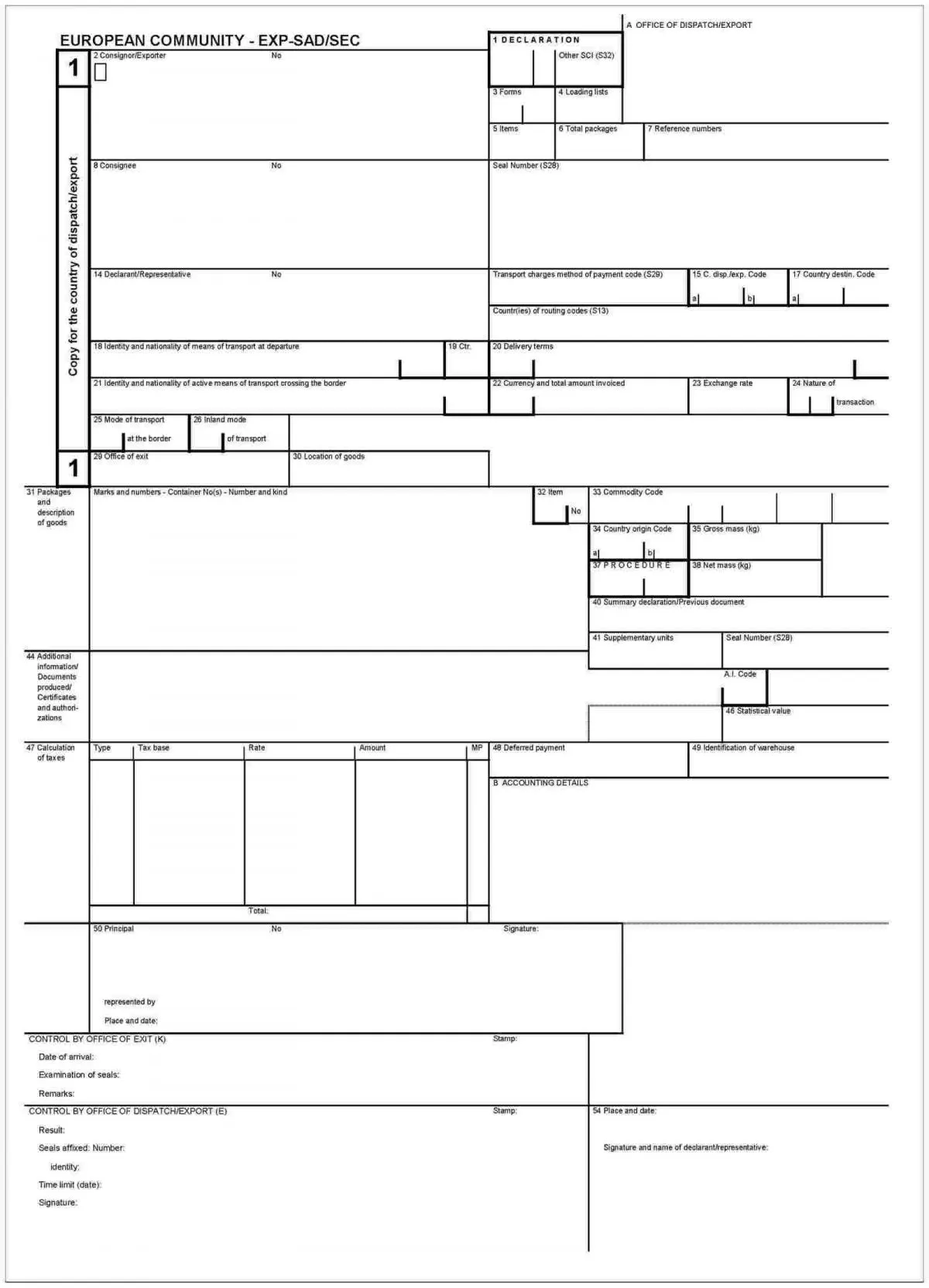
Export license control refers to the system of regulations and guidelines that govern the export of certain goods, software, and technologies from one country to another. The primary goal of export license control is to prevent the proliferation of sensitive technologies, including dual-use items that can have both military and civilian applications. By controlling the export of these items, countries can reduce the risk of them being used for malicious purposes, such as in the development of weapons of mass destruction.
The Three Key Agencies
The United States government has three key agencies responsible for administering export control regulations: the Department of Commerce's Bureau of Industry and Security (BIS), the Department of State's Directorate of Defense Trade Controls (DDTC), and the Department of the Treasury's Office of Foreign Assets Control (OFAC). Each agency has its own set of regulations and guidelines, which are designed to work together to ensure compliance with export control laws and regulations.