The Role of GLP-1 in Energy Homeostasis and Calorie Regulation
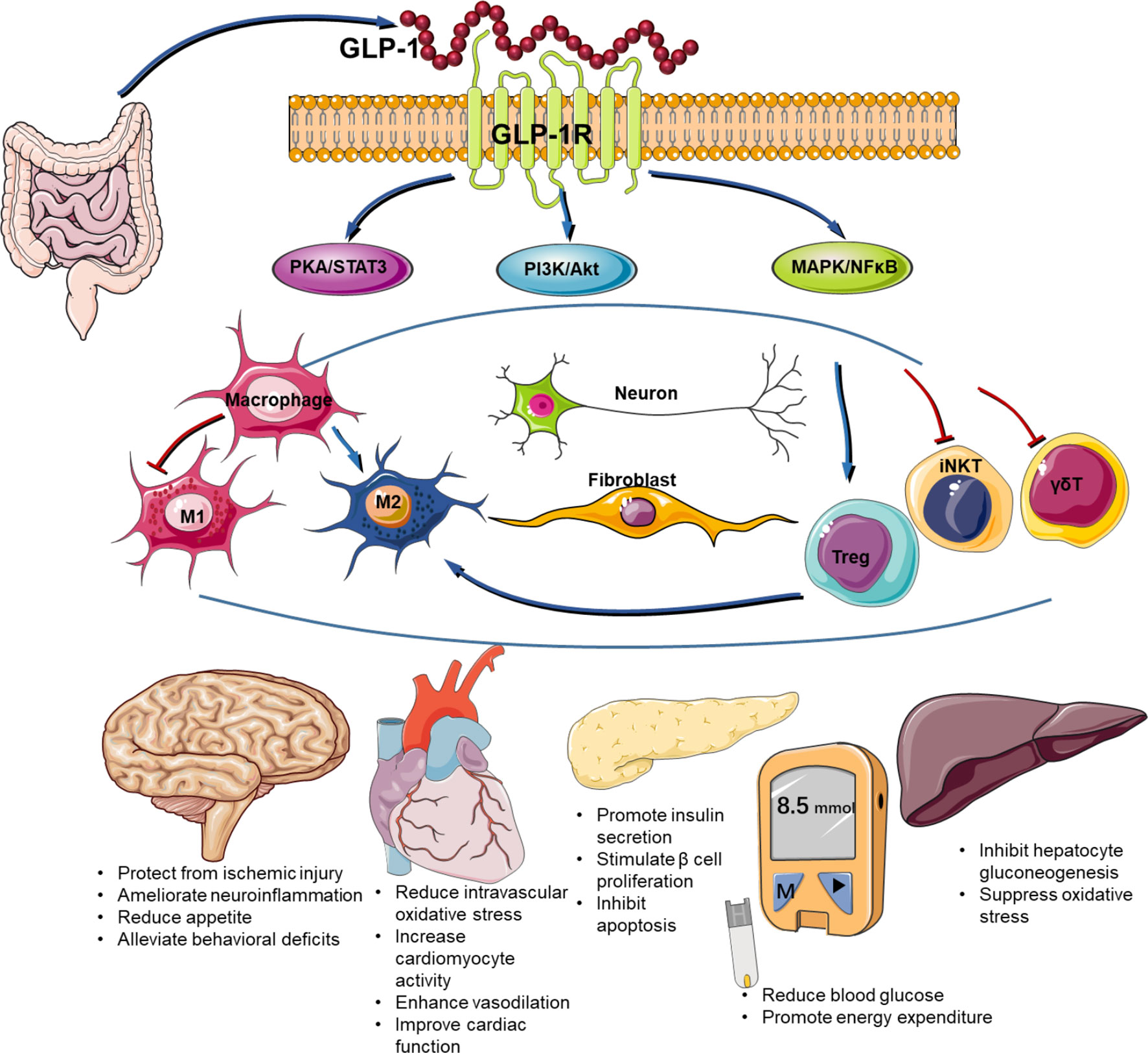
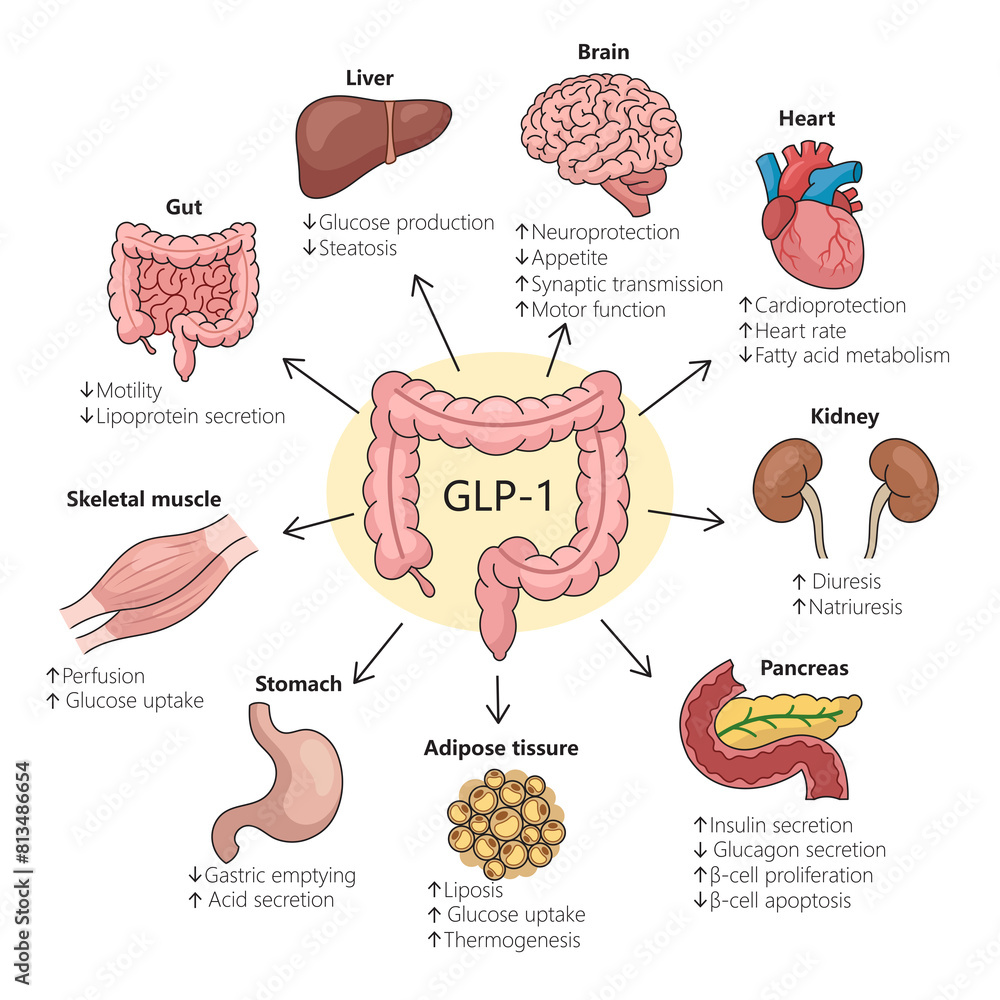
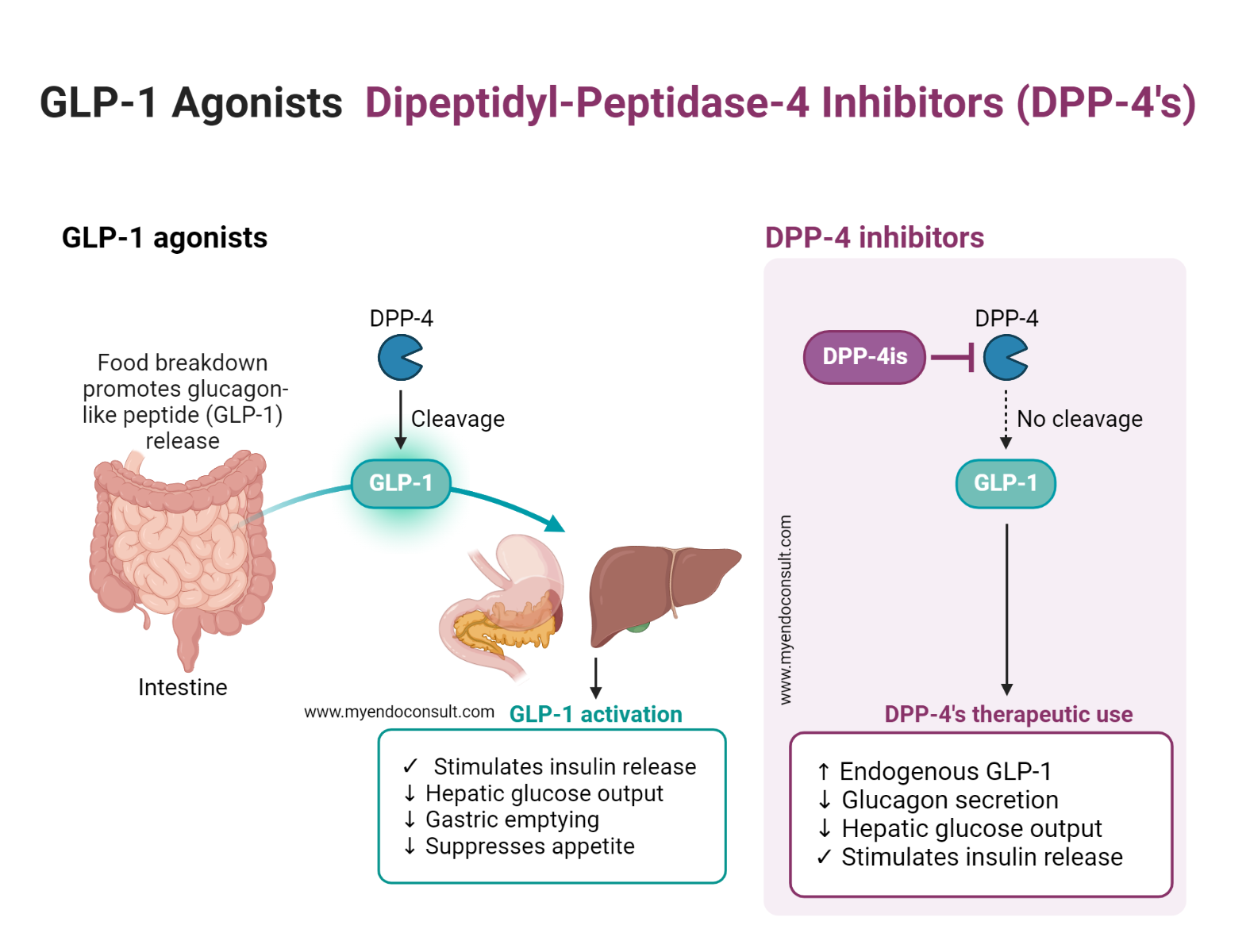
Glucagon-like peptide-1 (GLP-1) is a hormone that plays a vital role in regulating energy homeostasis and calorie intake. It is secreted by the L cells in the intestine in response to food intake and helps to maintain a balance between energy intake and energy expenditure in the human body. In this article, we will explore the role of GLP-1 in modulating appetite, glucose metabolism, and energy homeostasis, and discuss its implications for the development of therapeutic treatment options for obesity.
Introduction
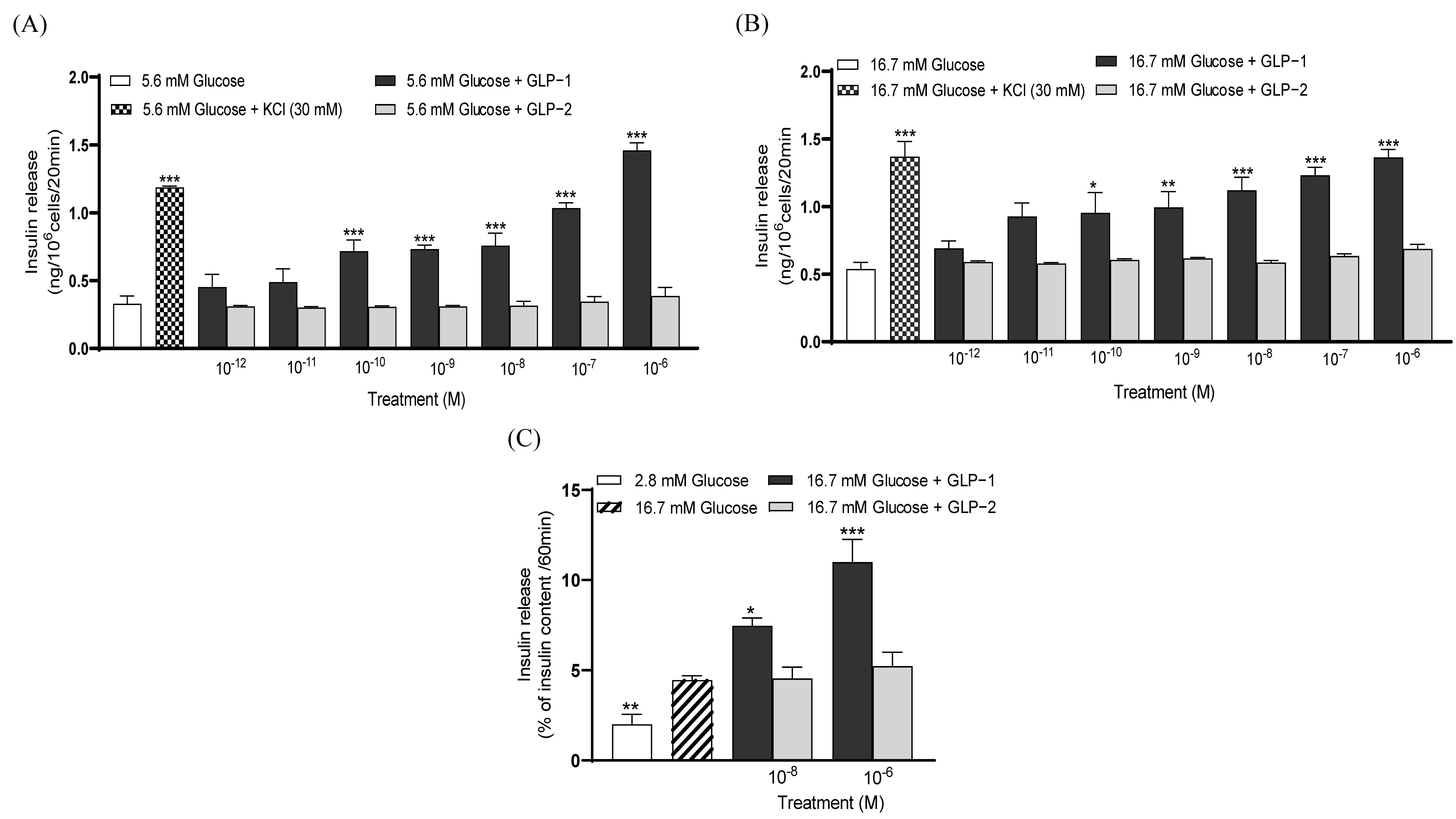
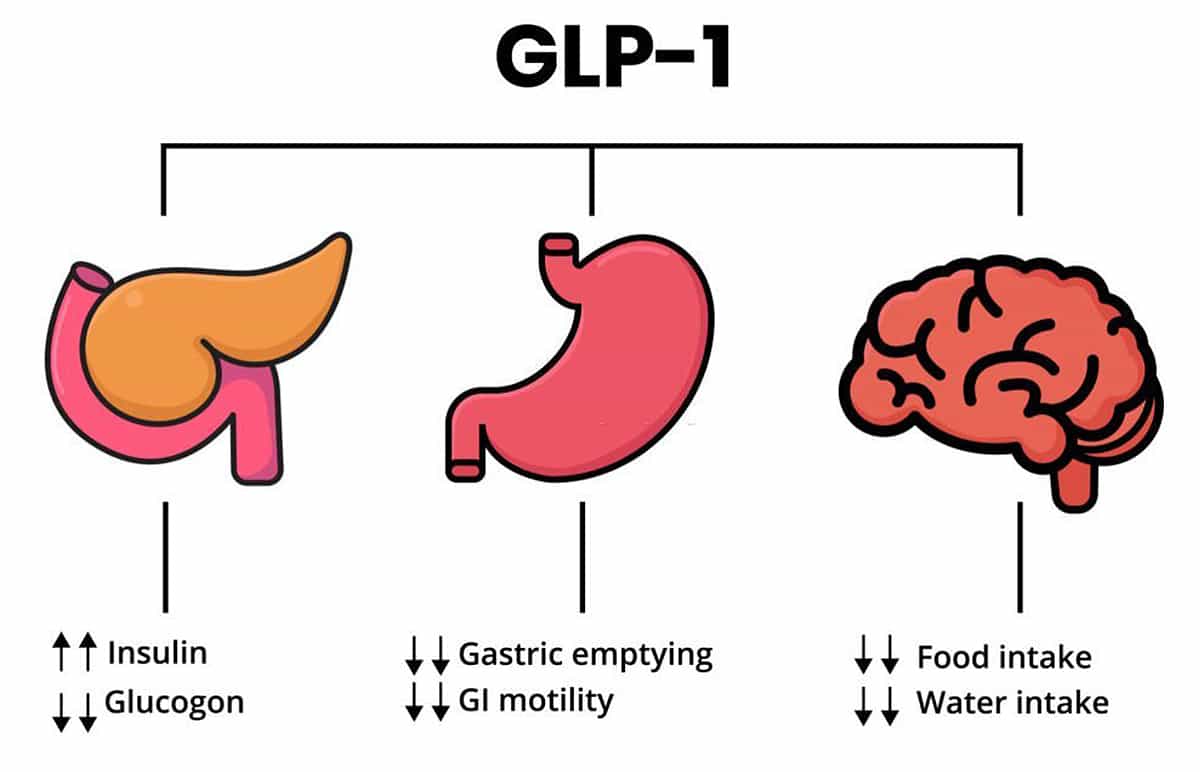
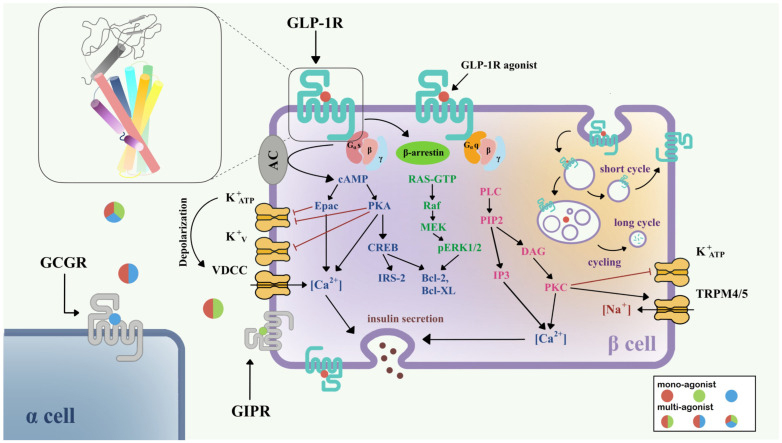
GLP-1 has been shown to play a crucial role in the regulation of energy homeostasis, appetite, and glucose metabolism. It is secreted by the L cells in the intestine in response to food intake and acts on the central nervous system to regulate food intake and energy homeostasis. Furthermore, GLP-1 has been shown to have beneficial effects on glucose metabolism, insulin secretion, and pancreatic beta-cell function.
The Role of GLP-1 in Energy Homeostasis
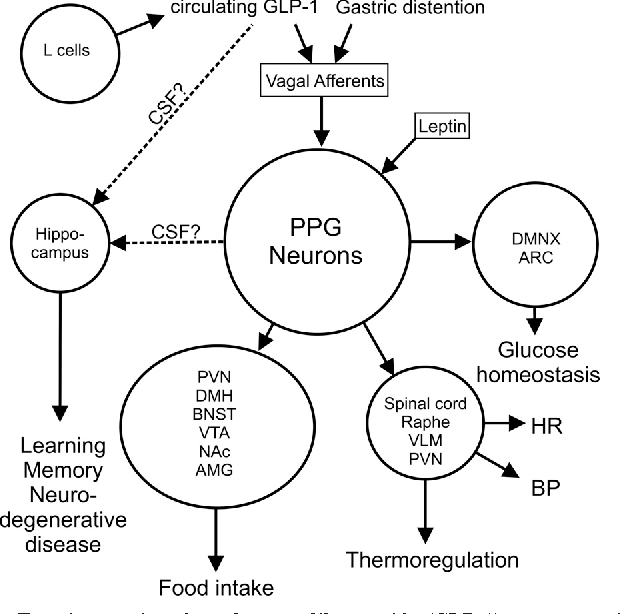
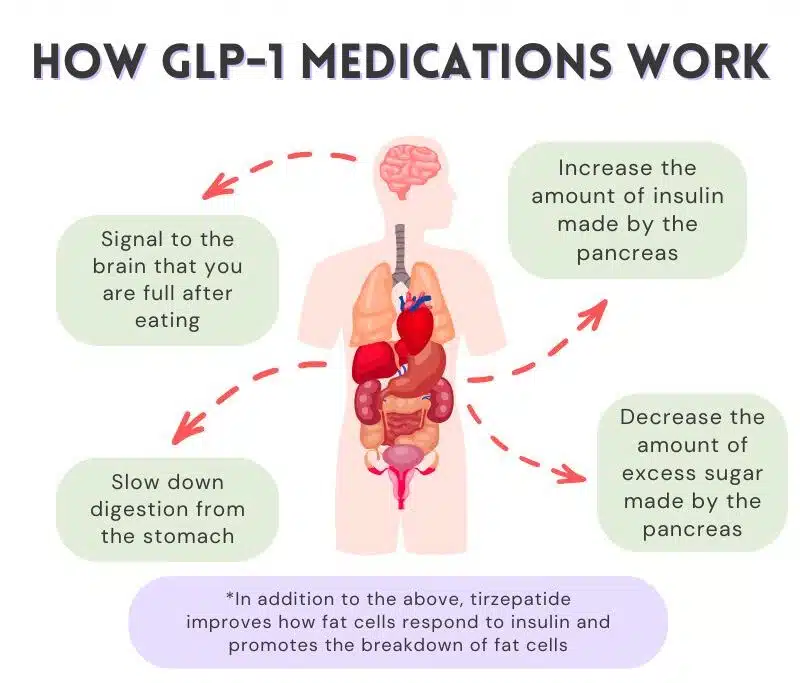
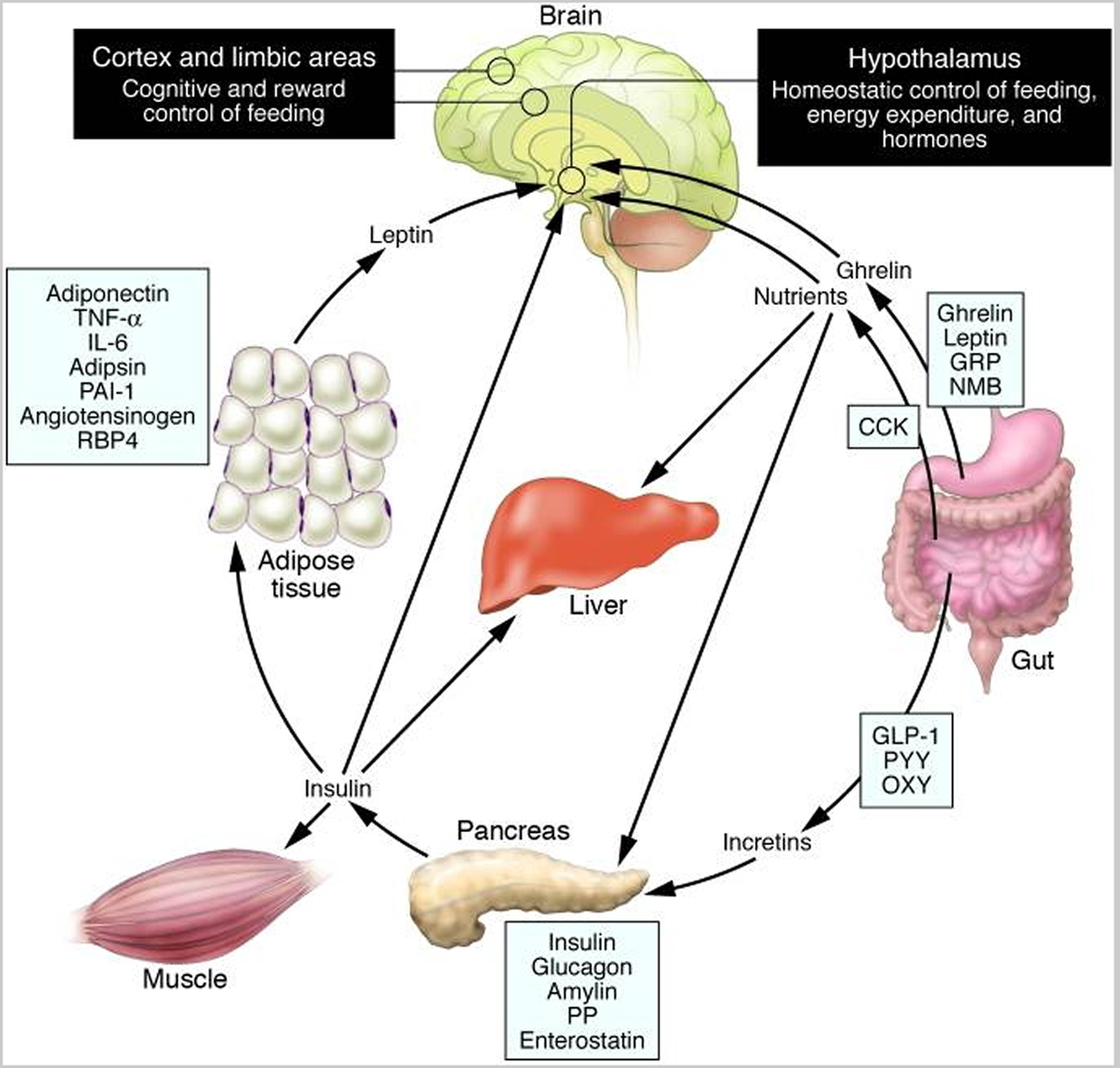
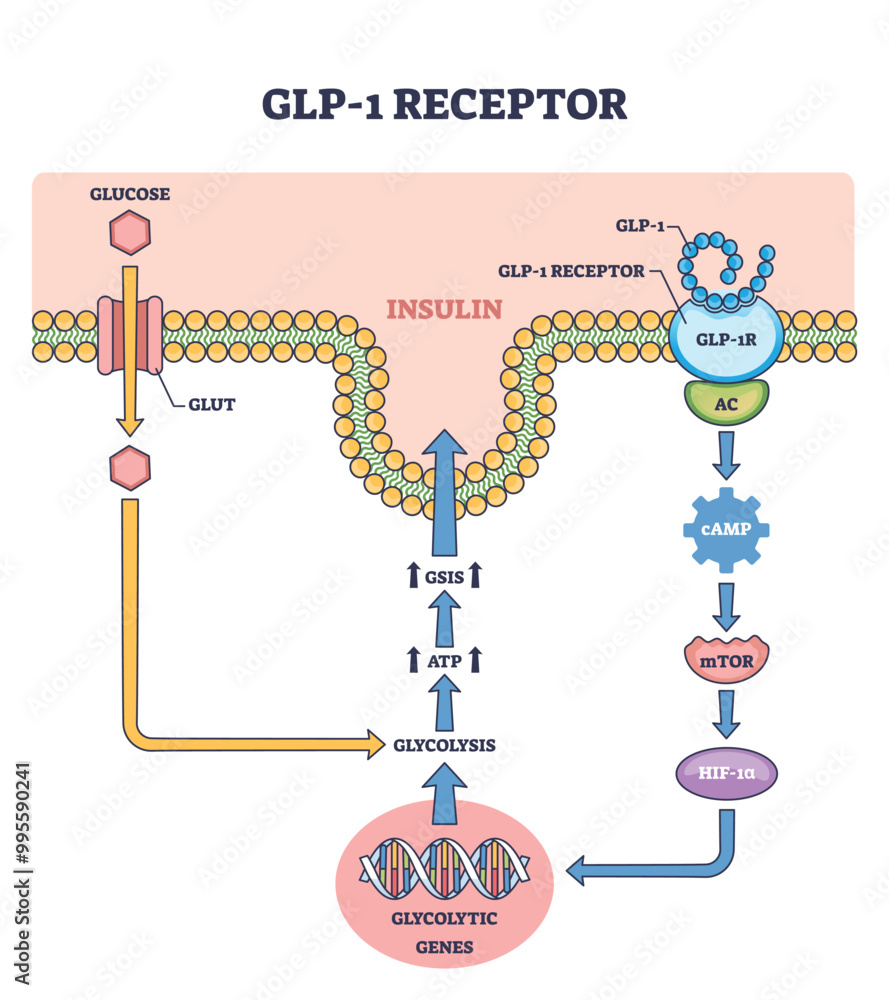
GLP-1 plays a vital role in energy homeostasis by regulating appetite, glucose metabolism, and insulin secretion. It acts on the central nervous system to reduce food intake and increase energy expenditure, which helps to maintain energy balance. GLP-1 receptors are present in the brain, particularly in the hypothalamus and brainstem, where they play a crucial role in regulating energy homeostasis.