The Impact of GLP-1 on Fertility Health and Calorie Needs: A Comprehensive Review
Glucagon-like peptide-1 receptor agonists (GLP-1RAs) have revolutionized the treatment of type 2 diabetes and obesity. However, their effects extend beyond glucose control and weight management, influencing reproductive health and fertility. In this article, we will delve into the impact of GLP-1 on fertility health and calorie needs, examining the latest research and clinical evidence.
GLP-1 and Fertility: The Emerging Connection

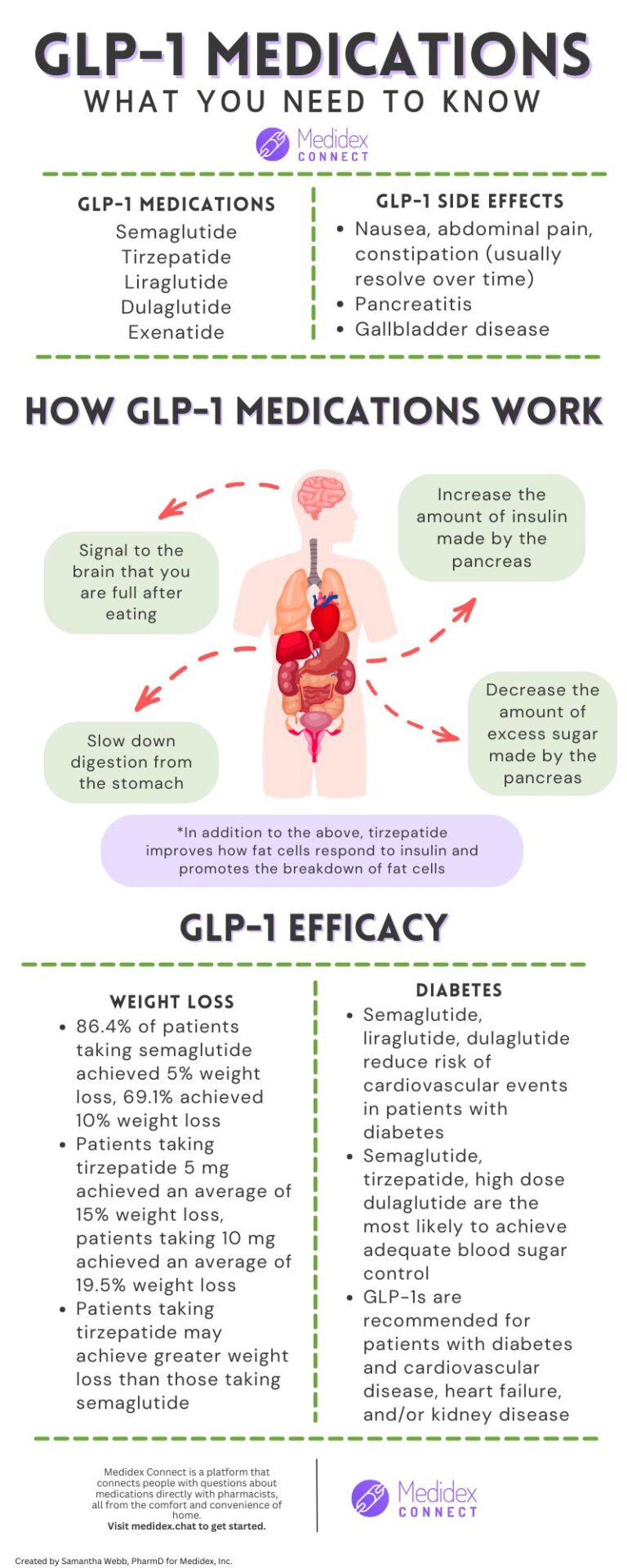
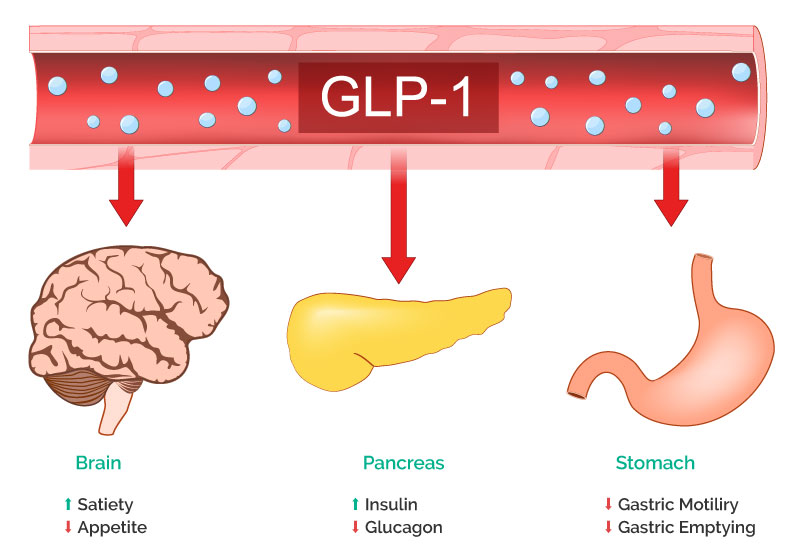
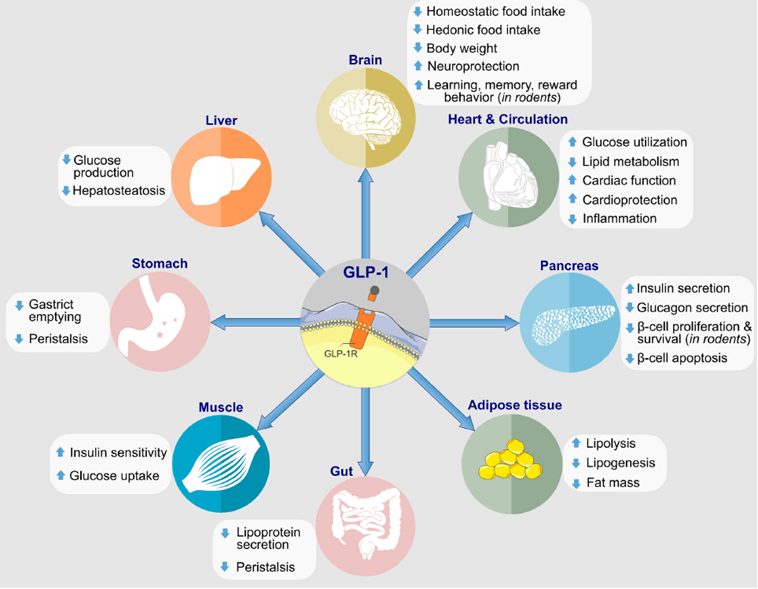
The relationship between GLP-1 and fertility has gained significant attention in recent years. Studies have shown that GLP-1RAs can improve reproductive function, ovulatory disorders, and pregnancy outcomes. One of the primary mechanisms by which GLP-1 exerts its effects on fertility is through weight reduction and improved insulin sensitivity. As GLP-1RAs stimulate weight loss, they also enhance insulin sensitivity, leading to a reduction in androgen production and an improvement in hormonal balance. This, in turn, can increase the chances of ovulation and conception.
- GLP-1RAs have been shown to improve ovulatory disorders and pregnancy outcomes in women with polycystic ovary syndrome (PCOS).
- Studies have demonstrated a significant reduction in BMI and improvements in insulin sensitivity in women using GLP-1RAs.
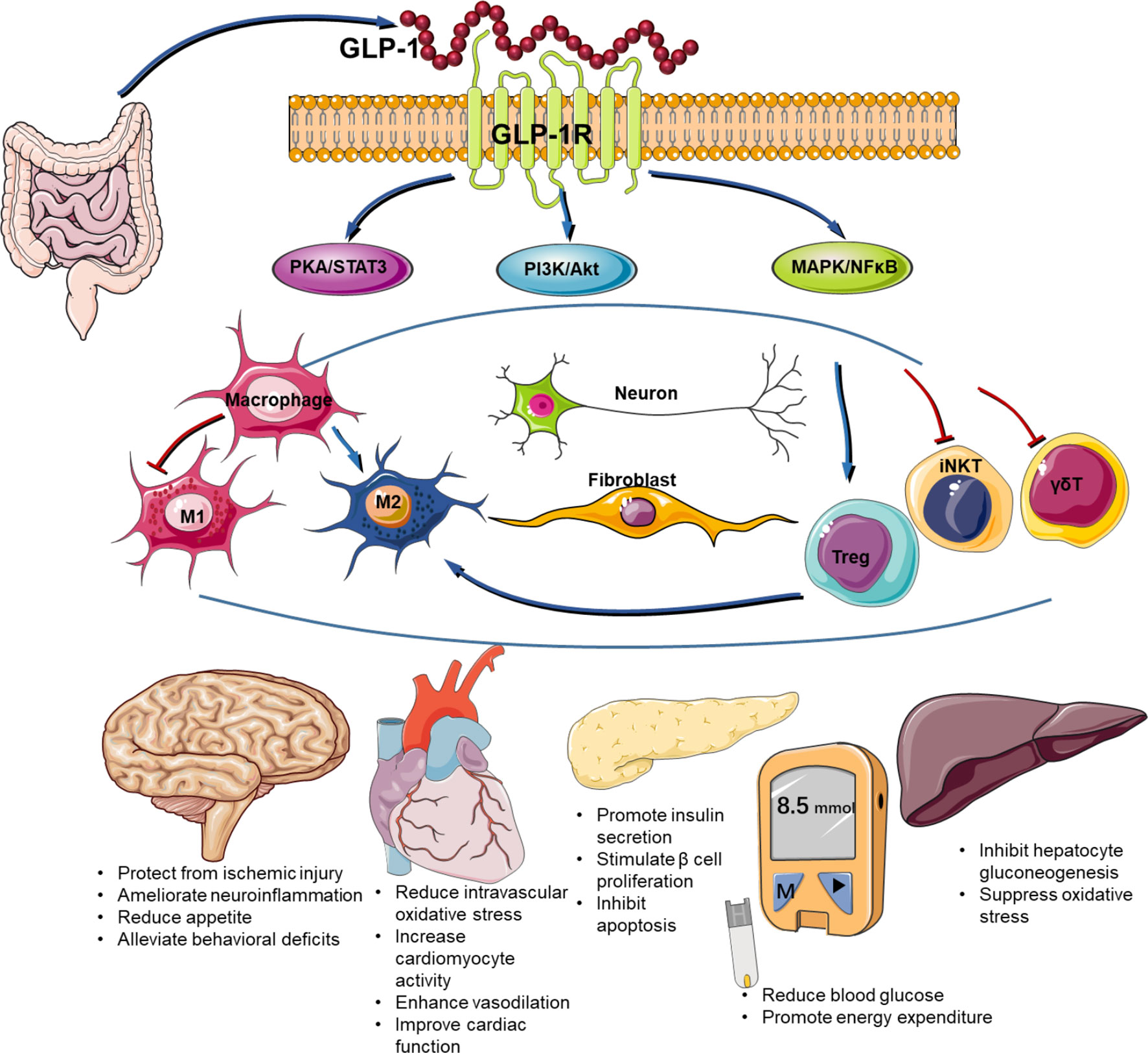
- The impact of GLP-1 on fertility is thought to be mediated by direct effects on the gonadal tissues, as well as indirect effects through weight reduction and improved insulin sensitivity.