Solar Energy System Cost Analysis: A Comprehensive Guide
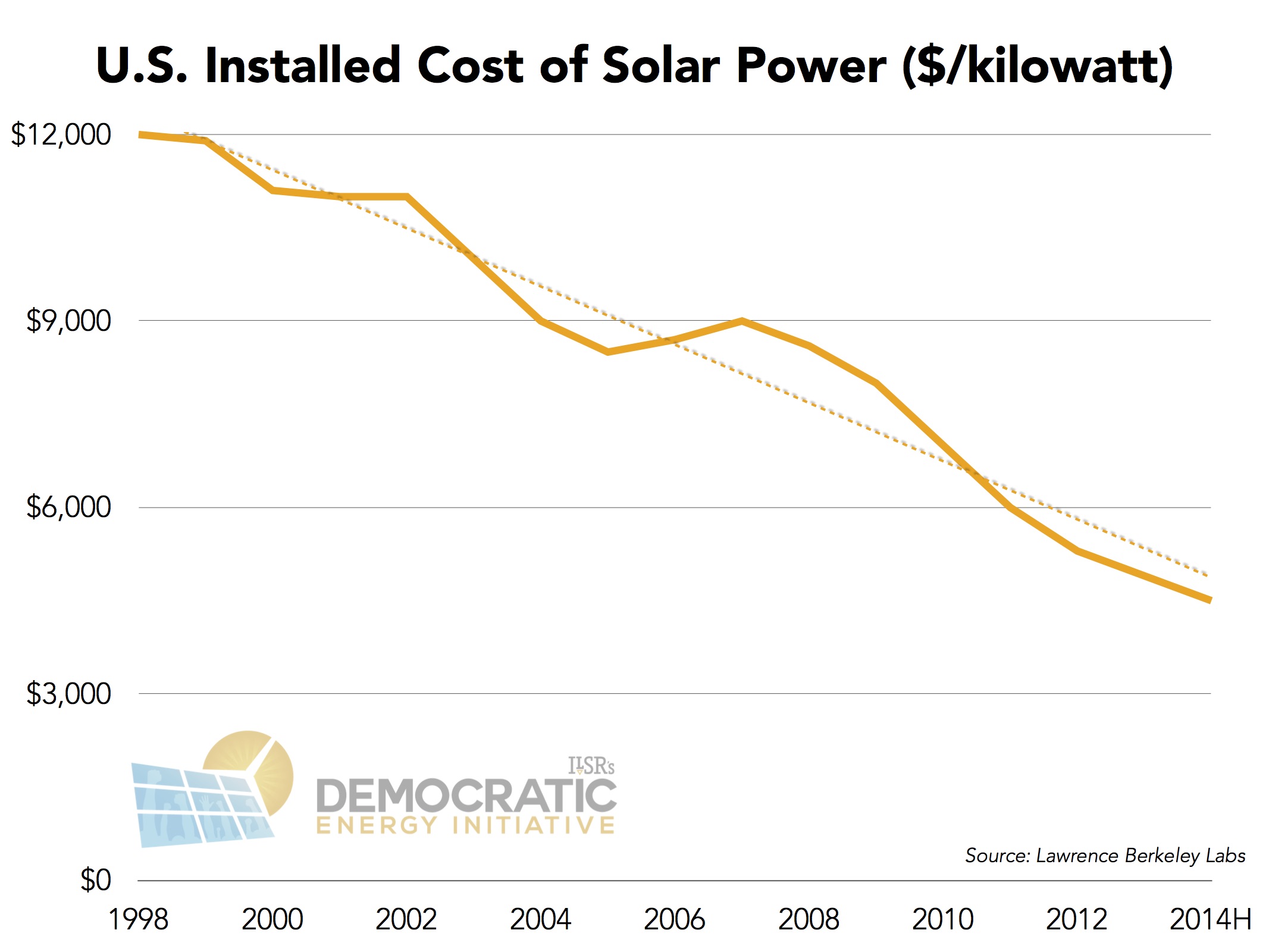
The increasing demand for renewable energy sources has led to a significant growth in the solar energy industry. As the cost of solar energy continues to decline, more and more homeowners and businesses are turning to solar power as a viable alternative to traditional fossil fuels. However, one of the primary concerns when considering a solar energy system is the cost.
Overview of Solar Energy System Costs
The cost of a solar energy system can be broken down into two primary categories: hardware costs and non-hardware costs. Hardware costs include the cost of the solar panels, inverters, mounting systems, and other equipment necessary to install a solar energy system. Non-hardware costs, on the other hand, include the cost of installation labor, permitting, inspections, and other soft costs associated with installing a solar energy system.
Hardware Costs
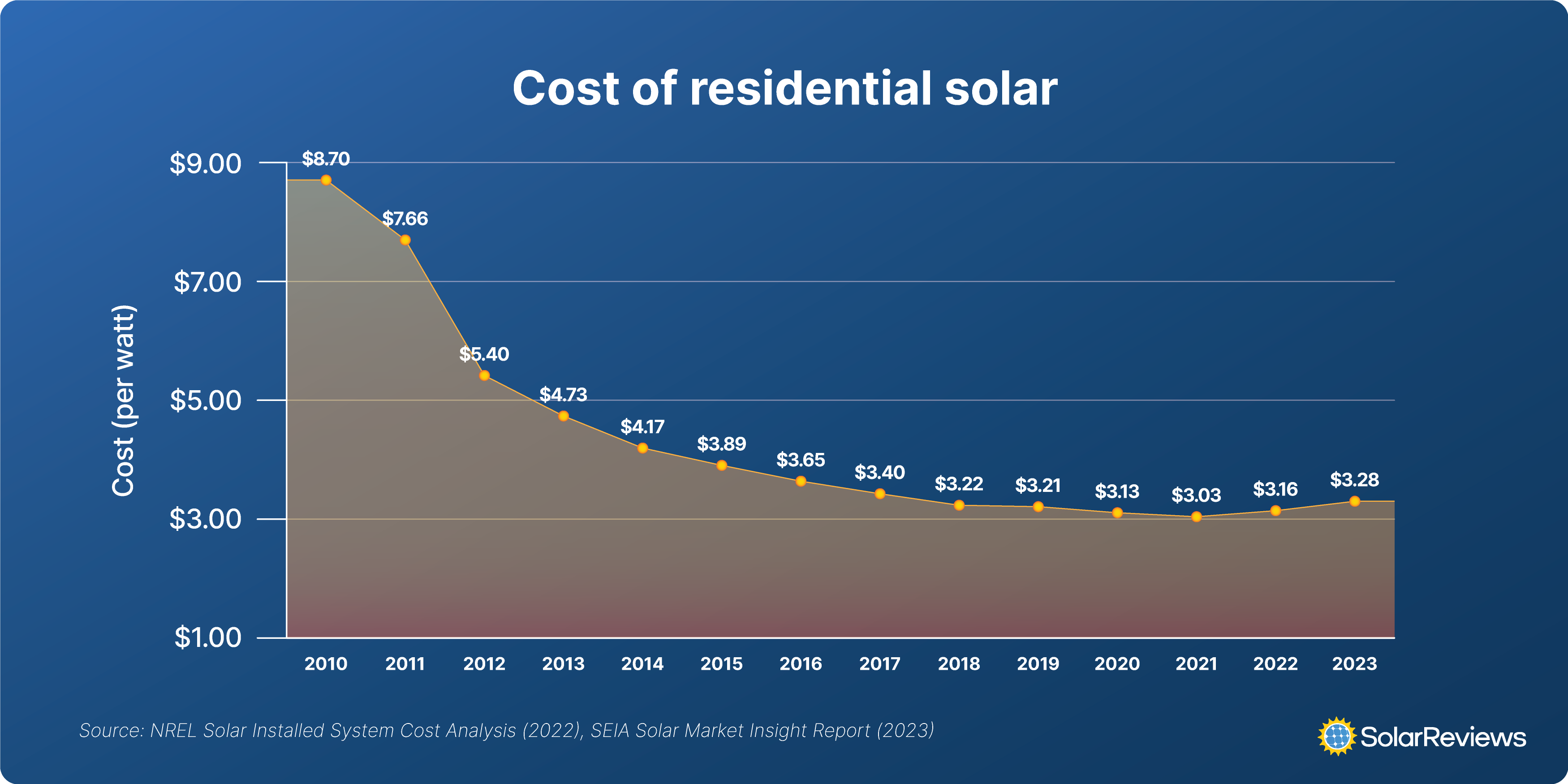
The cost of solar panels is one of the largest expenses associated with installing a solar energy system. The cost of solar panels has declined significantly over the years, making solar energy more affordable than ever. However, the cost of solar panels can still vary depending on the size and quality of the panels. According to the National Renewable Energy Laboratory (NREL), the average cost of a solar panel in the United States is around $2.50 per watt.