Router Access Point Setup For High Density Areas
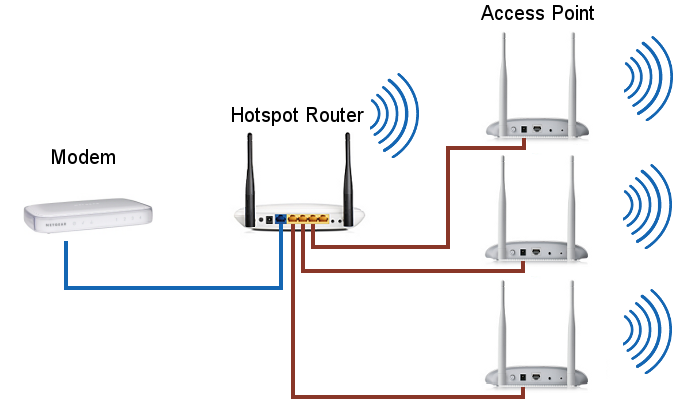
Are you looking to set up a reliable and high-performance wireless network in an area with a high density of devices? Whether it's a conference room, classroom, lecture hall, or even a large stadium, high-density wireless networks require a specific approach to ensure seamless connectivity and optimal performance. In this article, we will cover the basics of setting up a router access point in high-density areas, discussing best practices for design, planning, and implementation. We will also explore the benefits of high-density Wi-Fi and the importance of choosing the right equipment for your specific needs.Understanding High-Density Wi-Fi
High-density Wi-Fi refers to a wireless network designed to support a large number of devices in a specific area. This type of network is often used in areas with a high concentration of users, such as stadiums, offices, and schools. Standard Wi-Fi setups are great for small homes or offices, but high-density Wi-Fi is designed to support hundreds or even thousands of devices.Design and Planning Considerations

- Seating capacity analysis: Determine the number of users and devices that will be connecting to the network.
- Device take rates: Estimate the number of devices that will be connected to the network at any given time.
- Coverage strategies: Plan for outdoor and indoor coverage, including walls and other obstacles that may affect signal strength.
- Access point placement: Strategically place access points to provide optimal coverage and Minimize congestion.
- Throughput requirements: Determine the required throughputs for voice, video, and data applications.