Rebranding Strategy Guide: A Comprehensive Framework for Business Growth
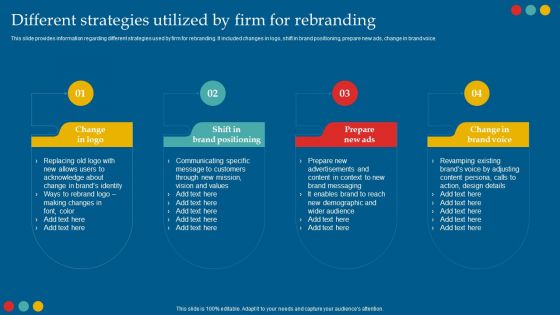
In today's fast-paced business landscape, a rebranding strategy can be a game-changer for companies looking to adapt to changing market trends, repair a damaged reputation, or simply refresh their image. However, a successful rebrand requires more than just a new logo or color palette – it demands a well-crafted strategy that aligns with your business goals and resonates with your target audience.
Why Rebranding is Essential for Business Growth
- Adapt to changing market trends and customer needs
- Repair a damaged reputation or revive a stagnant brand
- Enhance brand recognition and loyalty
- Compete effectively in a crowded market
Developing a Comprehensive Rebranding Strategy
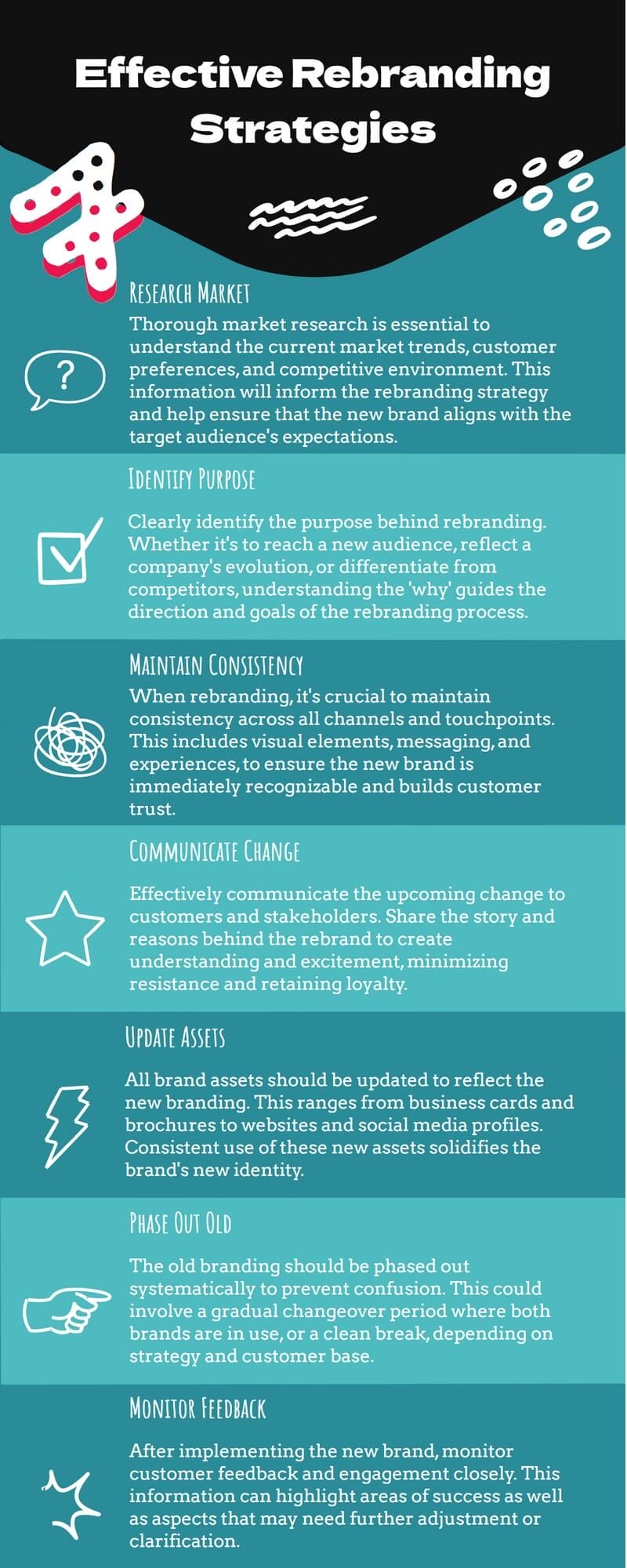
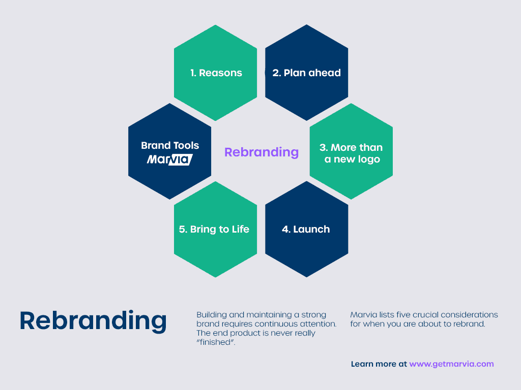
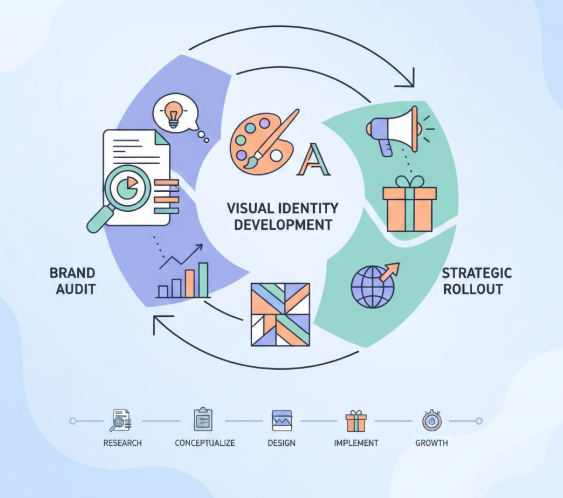
A successful rebranding strategy begins with a deep understanding of your target audience, industry, and business goals. It involves a series of steps that ensure a seamless integration of brand identity, messaging, and operational systems. Here's a step-by-step guide to help you develop a winning rebranding strategy:

Step 1: Conduct Market Research and Analysis
Gather insights about your target audience, industry, and competitors to identify areas of opportunity and potential challenges. This will help you create a clear understanding of your rebranding goals and objectives.
Step 2: Define Your Brand Identity
Develop a unique value proposition, tone of voice, and visual identity that reflects your brand's personality and messaging. This will serve as the foundation for your rebranding efforts.