Permits for Septic Tank Installation: A Comprehensive Guide
Installing a septic system is a significant investment for any homeowner, and it's essential to ensure that the process is done correctly to avoid any potential health risks and environmental hazards. One of the crucial steps in the septic tank installation process is obtaining the necessary permits. In this article, we'll provide a comprehensive guide on what permits are required for septic tank installation, the essential steps for compliance, and tips for a successful setup.
Understanding the Importance of Permits for Septic Tank Installation
Septic systems are designed to treat and disperse sewage safely into the ground, but improper installation can lead to environmental hazards, health risks, and significant property damage. Local health departments and environmental agencies impose regulations to ensure that septic systems are installed and maintained correctly. These regulations often require homeowners to obtain permits before starting the installation process.

Types of Permits Required for Septic Tank Installation
- Building Permit: This permit is required to ensure that the septic system meets local building codes and regulations.
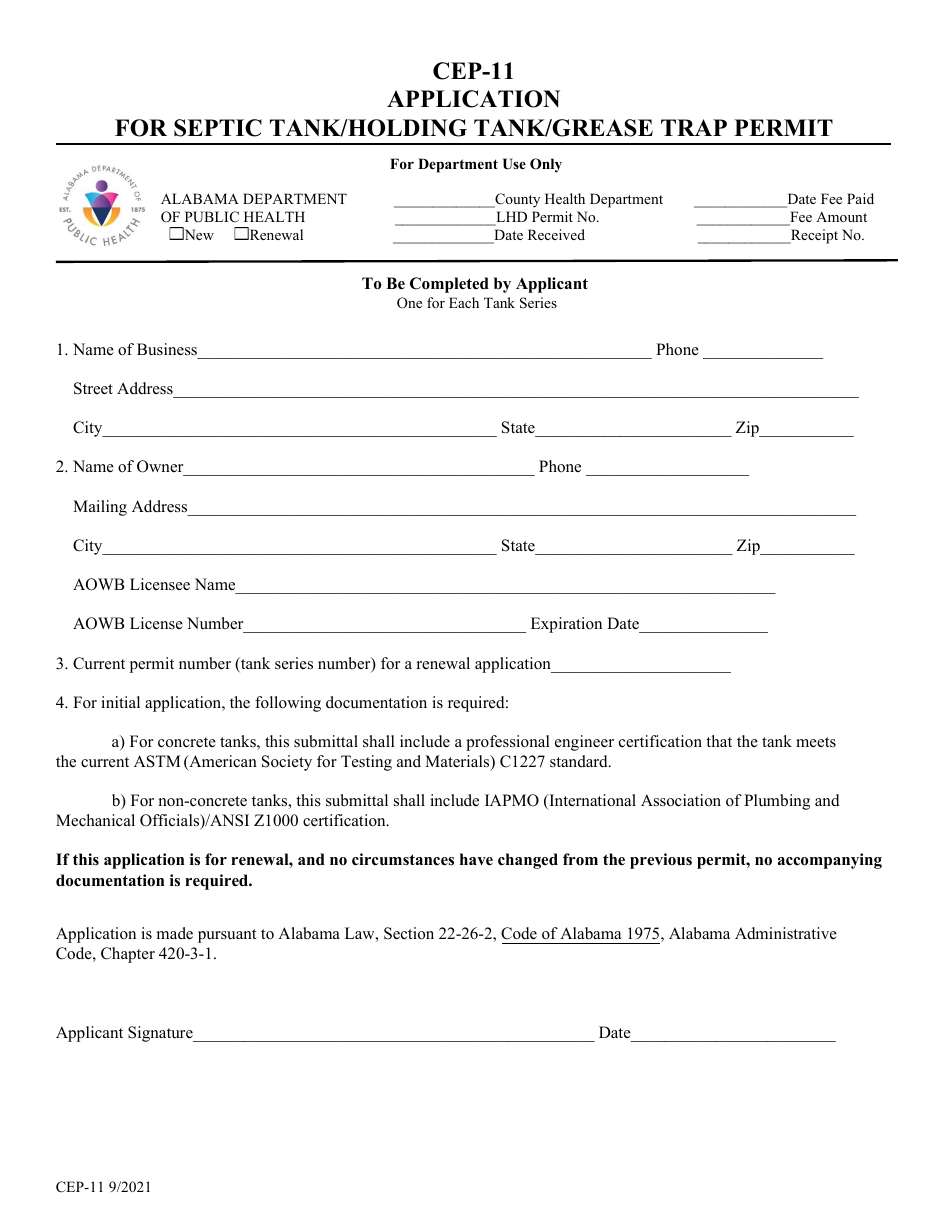
- Septic Permit: This permit is specific to septic systems and ensures that the system is designed and installed correctly.
- Environmental Permit: This permit is required to ensure that the septic system does not harm the environment or contaminate groundwater.
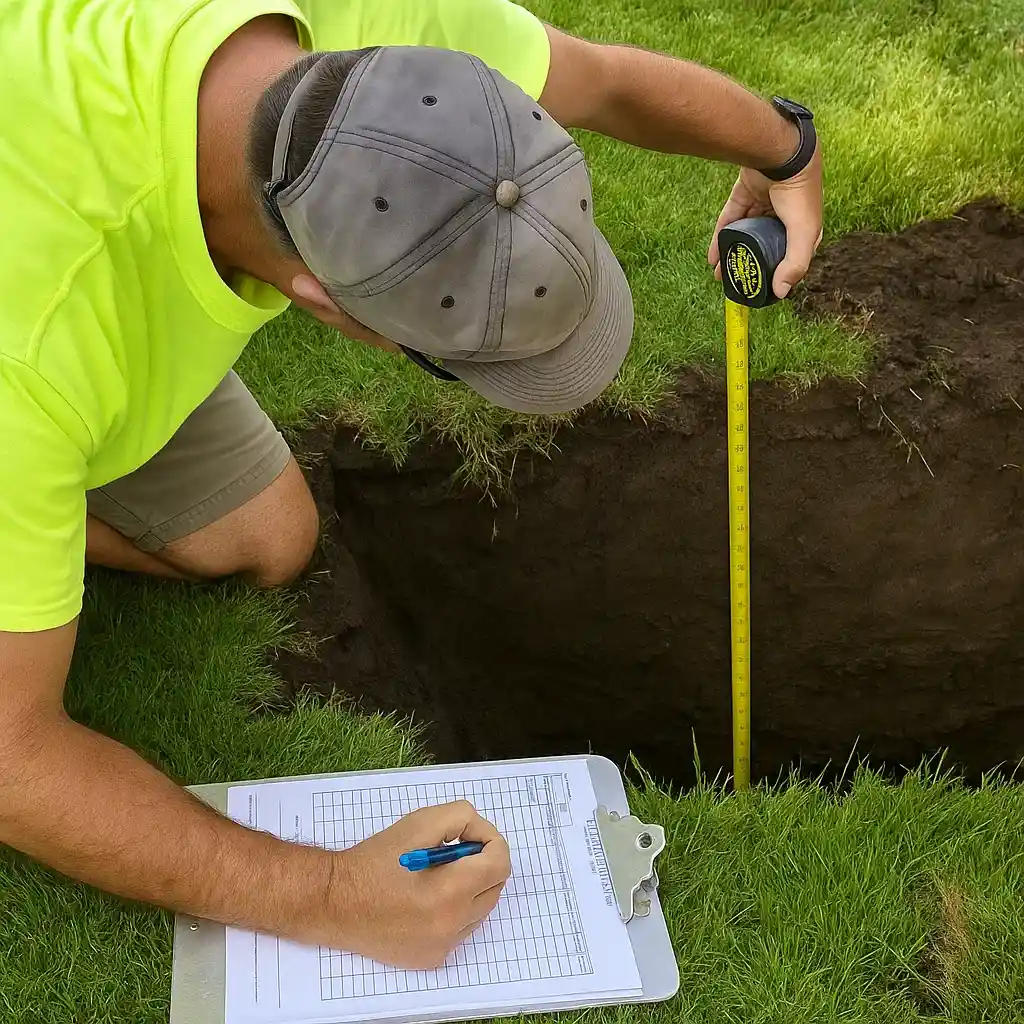
- Soil Test Permit: This permit is required to conduct soil tests to determine the suitability of the soil for septic system installation.