Menopause and Stress Eating: Breaking the Emotional Eating Cycle
Menopause is a natural part of life that brings changes to your body, emotions, and eating habits. Hormonal shifts, weight changes, and new challenges during this time may affect how you feel about your body and lead to or trigger unhealthy eating patterns or even eating disorders. One common issue that many women experience during menopause is stress eating, which can have a significant impact on both physical and mental health.
Why Stress Eating Increases During Menopause
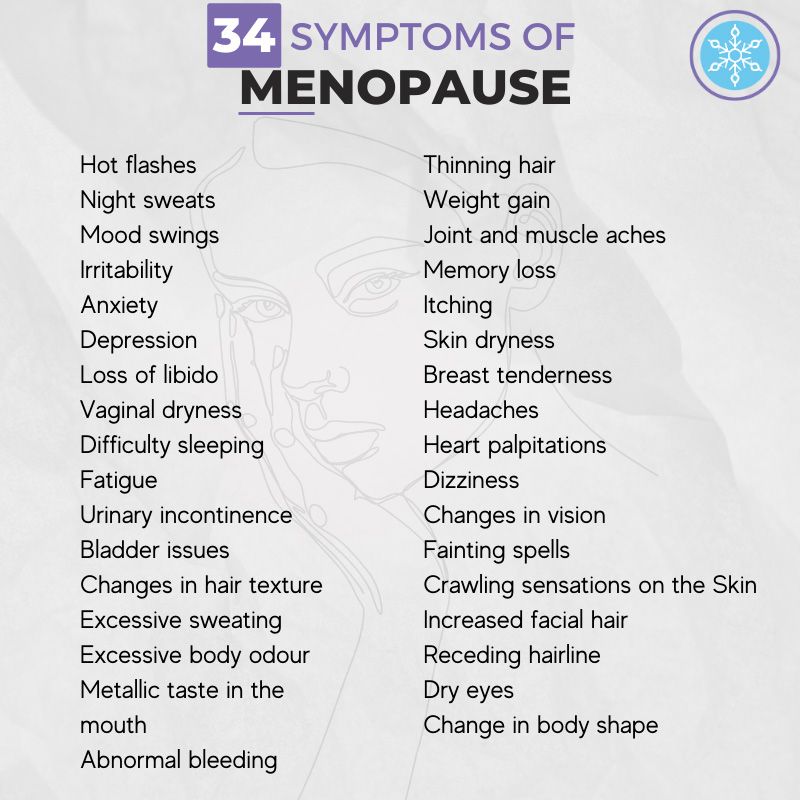
The menopausal transition can be a stressful time, and it's not just about hot flashes and night sweats. Changes in hormone levels, particularly estrogen and progesterone, can affect the way we respond to stress both physically and emotionally. Many women experience increased anxiety, mood swings, and feelings of overwhelm, which can lead to stress eating.

Understanding Disordered Eating During Menopause
Disordered eating refers to a range of eating behaviors and attitudes towards weight and food that can negatively influence physical and psychosocial well-being. The menopausal transition can be a vulnerable period for disordered eating due to major hormonal fluctuations, menopausal symptoms, common body composition shifts, and an increased risk of psychological challenges.