Breaking Down the Science of Medical Weight Loss and GLP-1
Weight loss has long been a challenge for many individuals, with various methods and treatments being developed over the years. One of the most promising approaches in recent times is the use of glucagon-like peptide-1 (GLP-1) receptor agonists for medical weight loss. In this article, we will delve into the world of GLP-1, exploring its mechanisms, benefits, and applications in weight loss.
What are GLP-1 Receptor Agonists?
GLP-1 receptor agonists are a class of medications that work by mimicking the action of glucagon-like peptide-1, a hormone produced in the intestines. These hormones play a crucial role in glucose metabolism, appetite regulation, and weight management. GLP-1 receptor agonists increase insulin secretion, decrease glucagon levels, and delay gastric emptying, ultimately leading to weight loss and improved blood sugar control.

Applications in Weight Loss
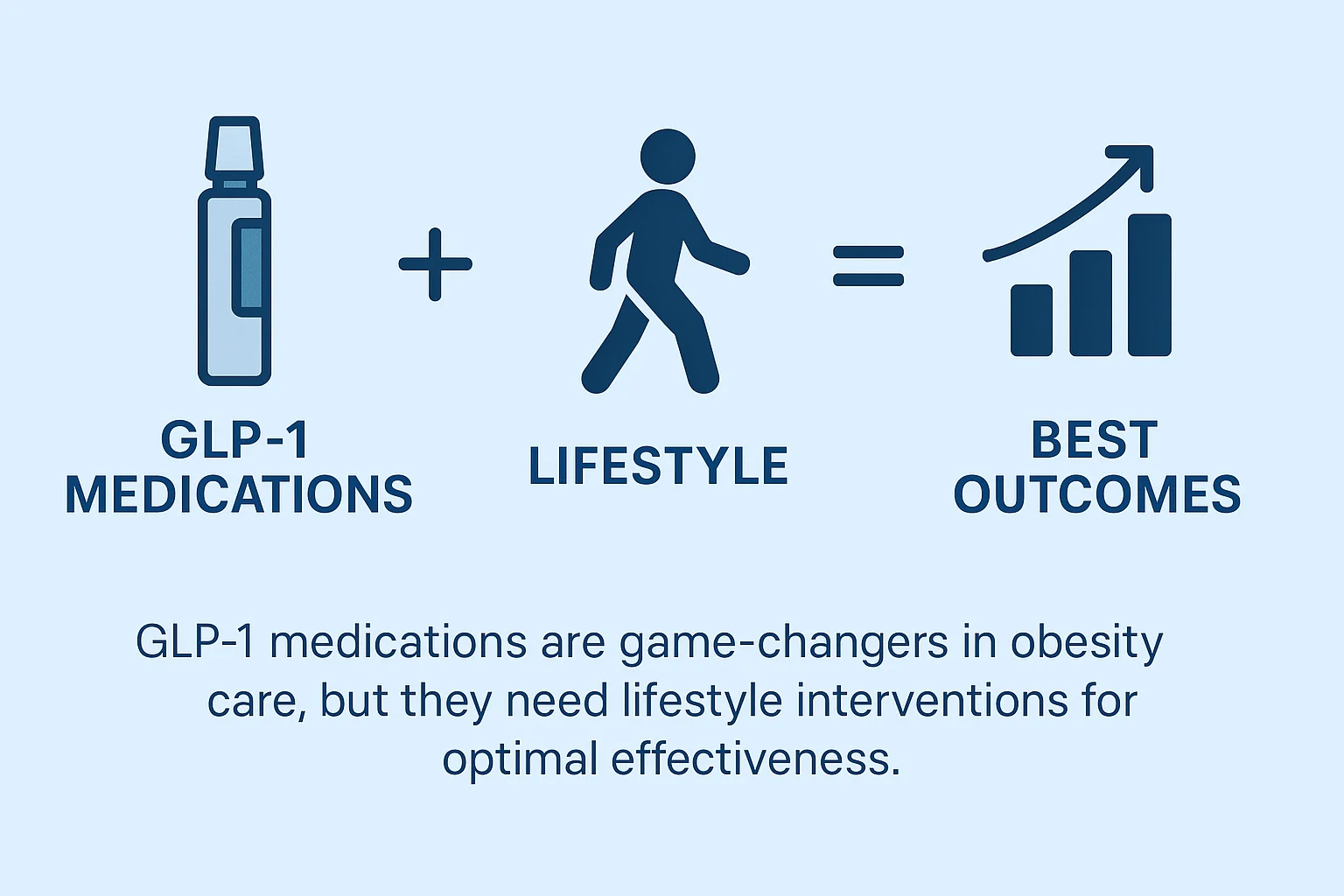
- Originally developed for type 2 diabetes, GLP-1 receptor agonists have shown promise in weight loss management
- Combining GLP-1 receptor agonists with other metabolic targets or additional therapies has been increasingly licensed for weight loss and cardiometabolic applications
- Recent studies suggest that certain GLP-1 receptor agonists, such as tirzepatide, can deliver substantial weight reductions, averaging up to 22.5% of body weight