Intermittent Fasting with GLP 1 for Reduce HbA1c: A Comprehensive Guide
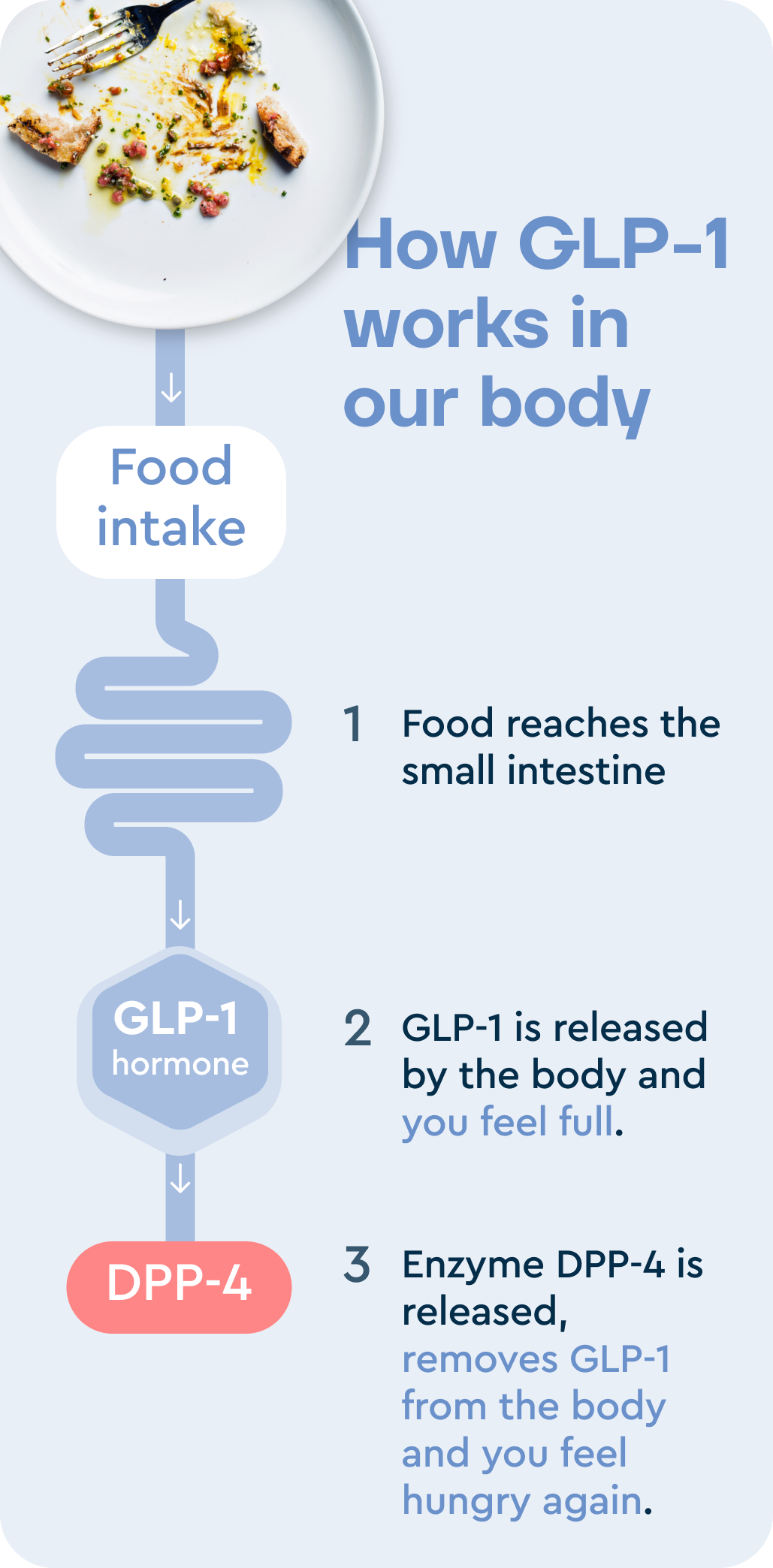
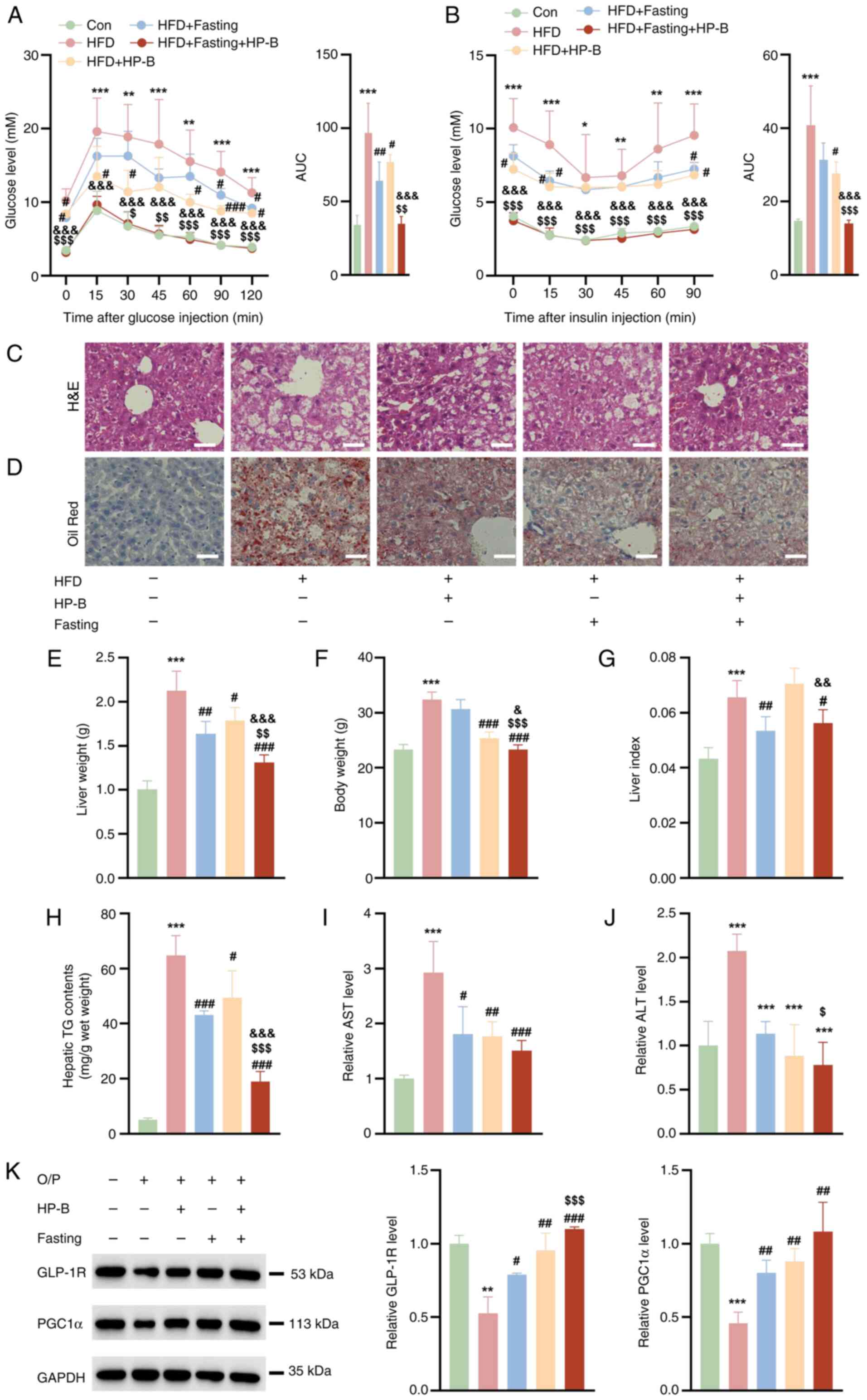
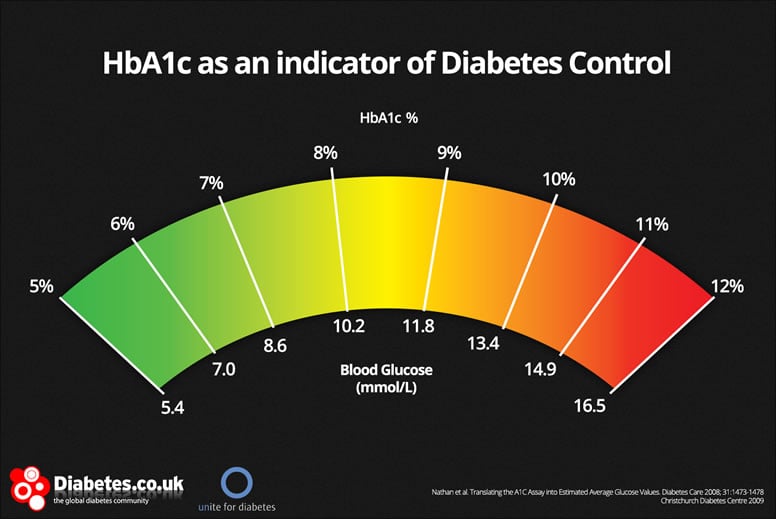
Intermittent fasting (IF) has gained popularity in recent years as a potential tool for weight loss, improved insulin sensitivity, and reduced risk of chronic diseases. The American Heart Association states that IF may produce weight loss, lower the risk of cardiometabolic diseases, and reduce insulin resistance, although its long-term reliability is unknown. GLP-1 (glucagon-like peptide 1) is a natural hormone released by the gut in response to food intake, playing a key role in glucose metabolism and appetite regulation. Research suggests that combining IF with GLP-1 may have synergistic effects, potentially reducing HbA1c levels and improving overall health outcomes.
What is Intermittent Fasting?
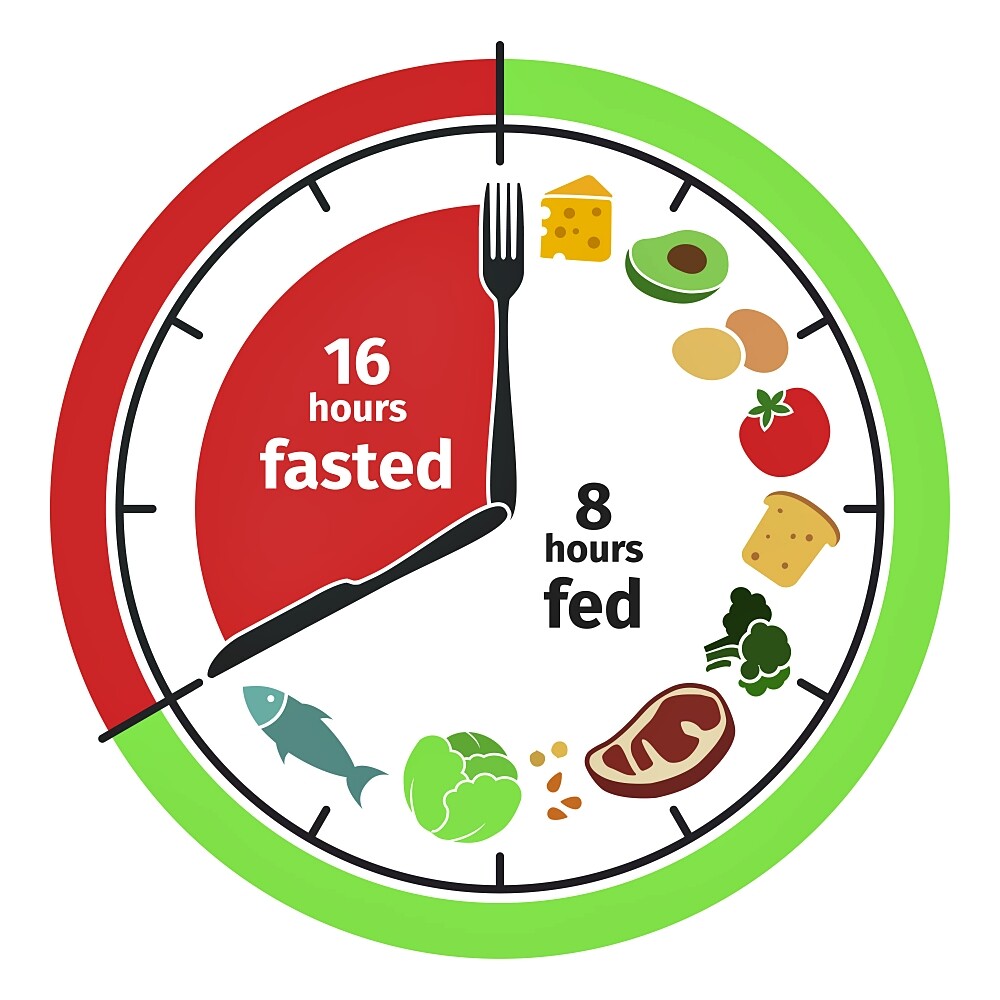
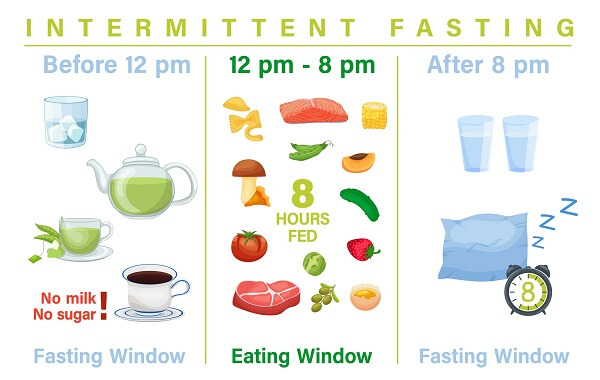
IF involves alternating periods of eating and fasting to reduce overall calorie intake. There are various methods, including time-restricted eating, alternate-day fasting, and 5:2 diet, among others. The benefits of IF include improved insulin sensitivity, weight loss, and reduced inflammation. A systematic review and meta-analysis published in 2020 found that IF can effectively lower HbA1c levels and reduce weight in individuals with type 2 diabetes.
GLP-1 and Intermittent Fasting: A Winning Combination?
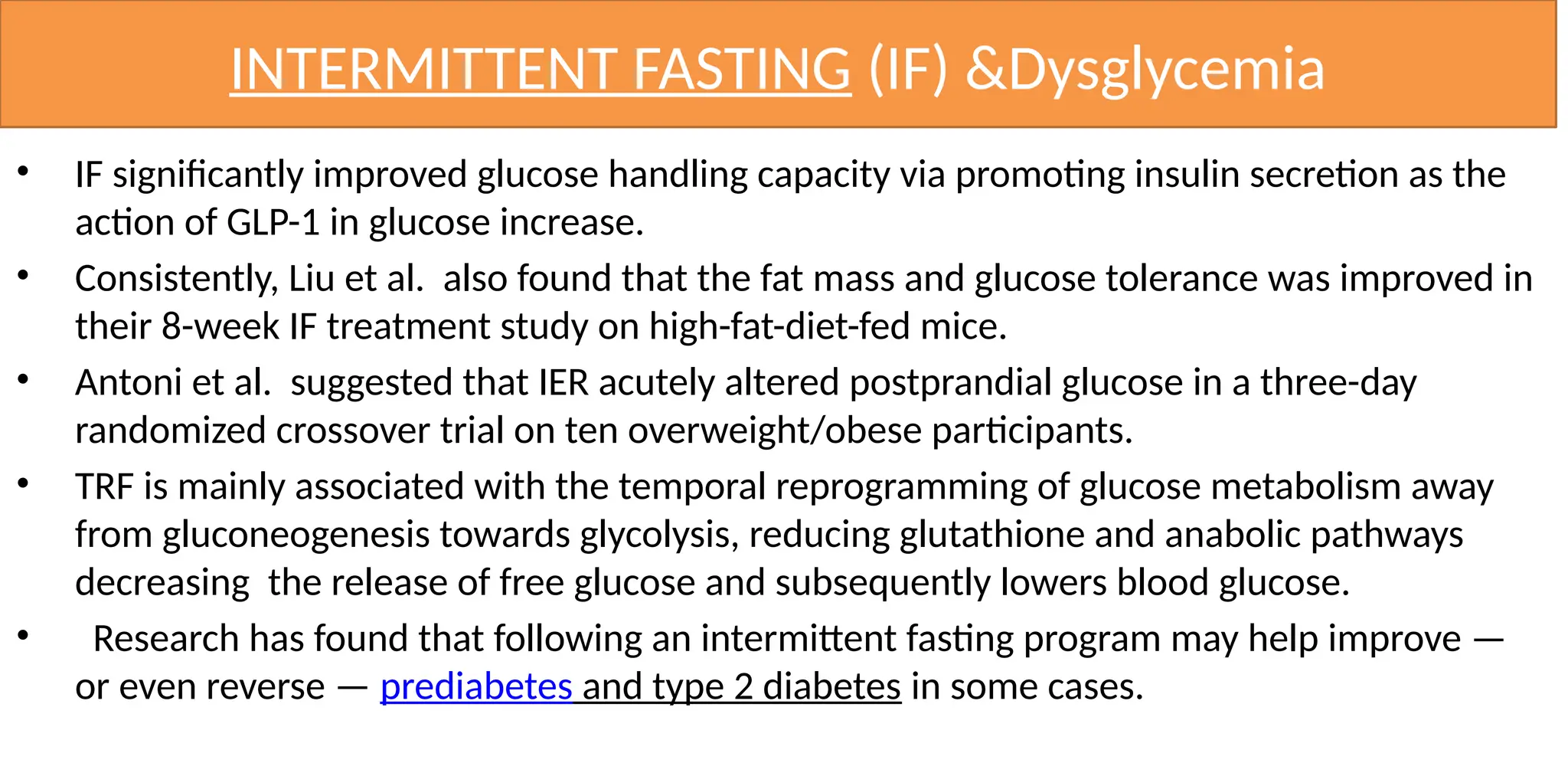
GLP-1 is a natural hormone that helps regulate blood sugar levels, digestion, and appetite. Research suggests that IF can increase GLP-1 secretion, which may enhance the beneficial effects of GLP-1 on glucose metabolism and weight loss. A study published in Endocrine Connections in 2020 found that IF increased GLP-1 response in healthy individuals. This synergy between IF and GLP-1 may be particularly beneficial for individuals with type 2 diabetes, as it may help reduce HbA1c levels and improve insulin sensitivity.