Unlock the Power of Intermittent Fasting and GLP-1 Levels: A Comprehensive Guide
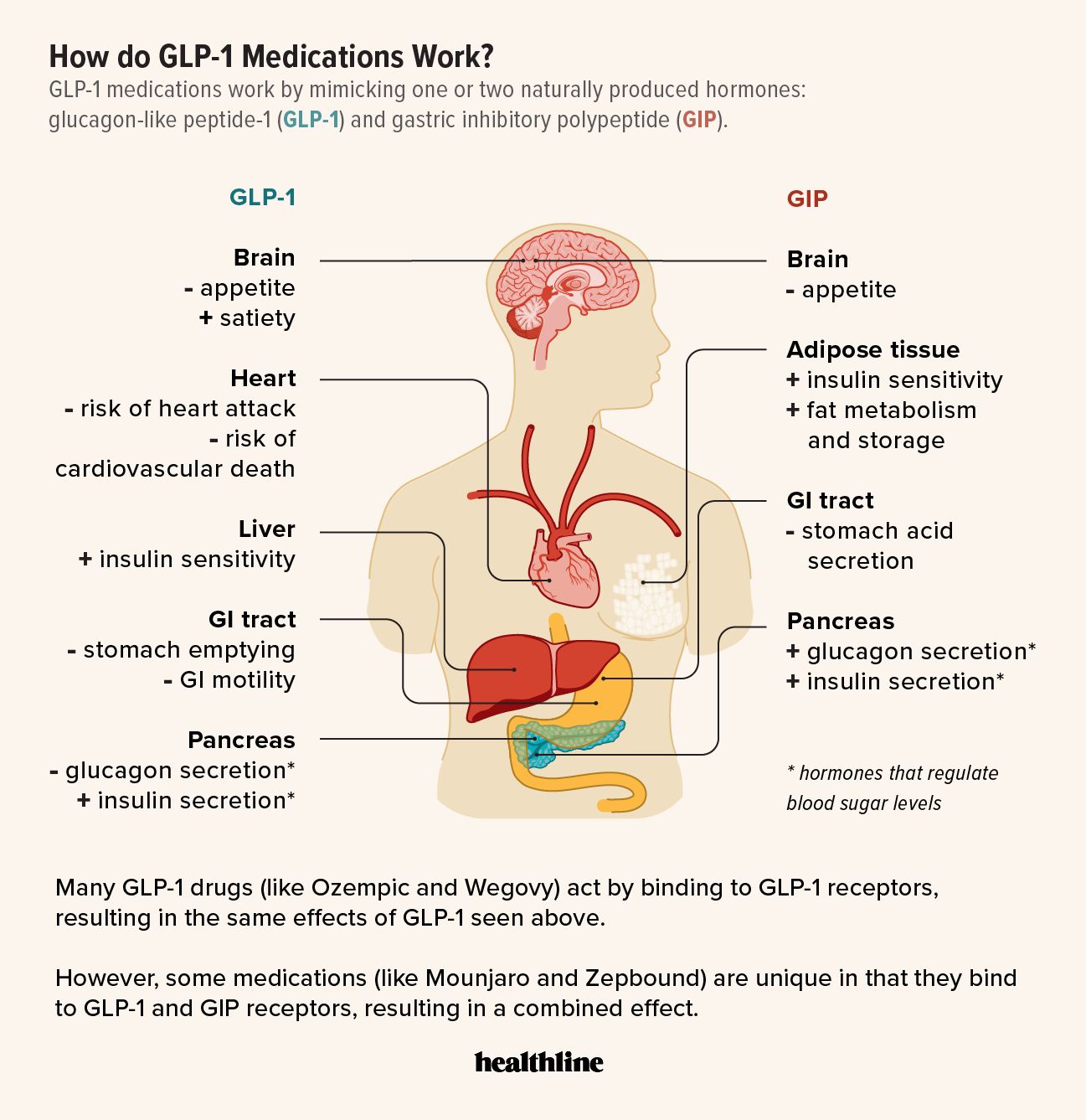
Glucagon-like peptide-1 (GLP-1) is a hormone that plays a crucial role in glucose metabolism and weight management. When it comes to intermittent fasting, the relationship between GLP-1 levels and weight loss is complex. In this article, we will delve into the world of intermittent fasting and GLP-1 levels, exploring the benefits, risks, and strategies for combining these two powerful tools for optimal weight loss and overall health.
What is GLP-1 and How Does it Relate to Weight Loss?
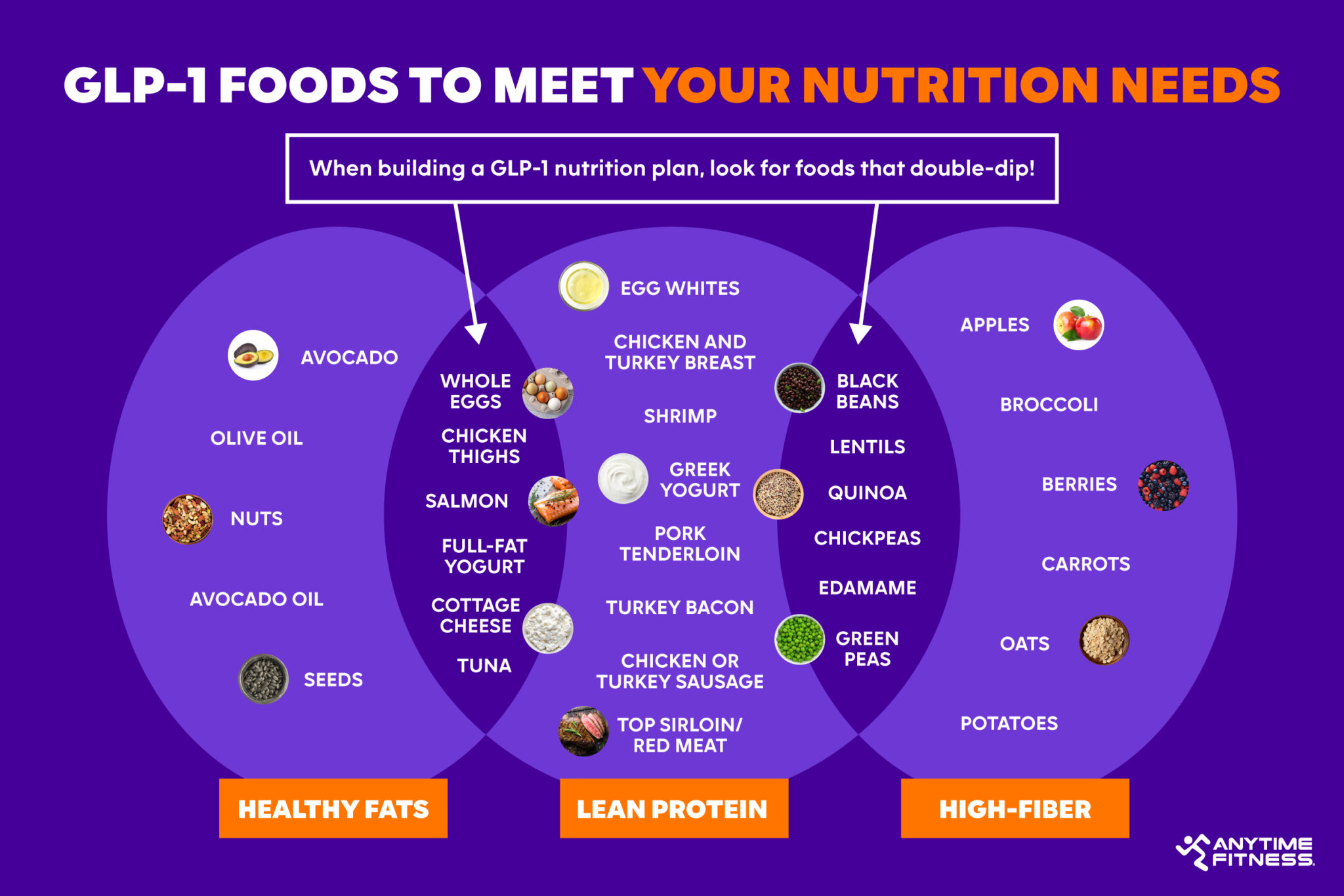
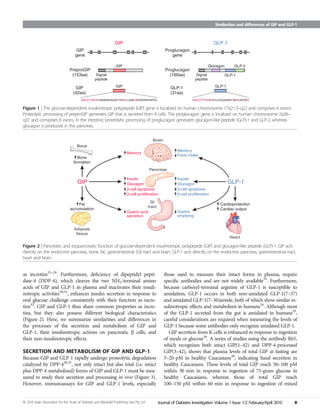
GLP-1 is a hormone produced by the intestine in response to food intake. It plays a key role in regulating blood sugar levels, insulin sensitivity, and appetite. Studies have shown that GLP-1 levels are often lower in individuals with obesity and type 2 diabetes, which can lead to weight loss stalls and metabolic issues. However, research also suggests that certain natural tools, such as chlorogenic acid, fiber, protein, intermittent fasting, sleep, and fewer meals per day, can boost GLP-1 levels without the side effects of medication.
The Benefits of Intermittent Fasting and GLP-1 Levels
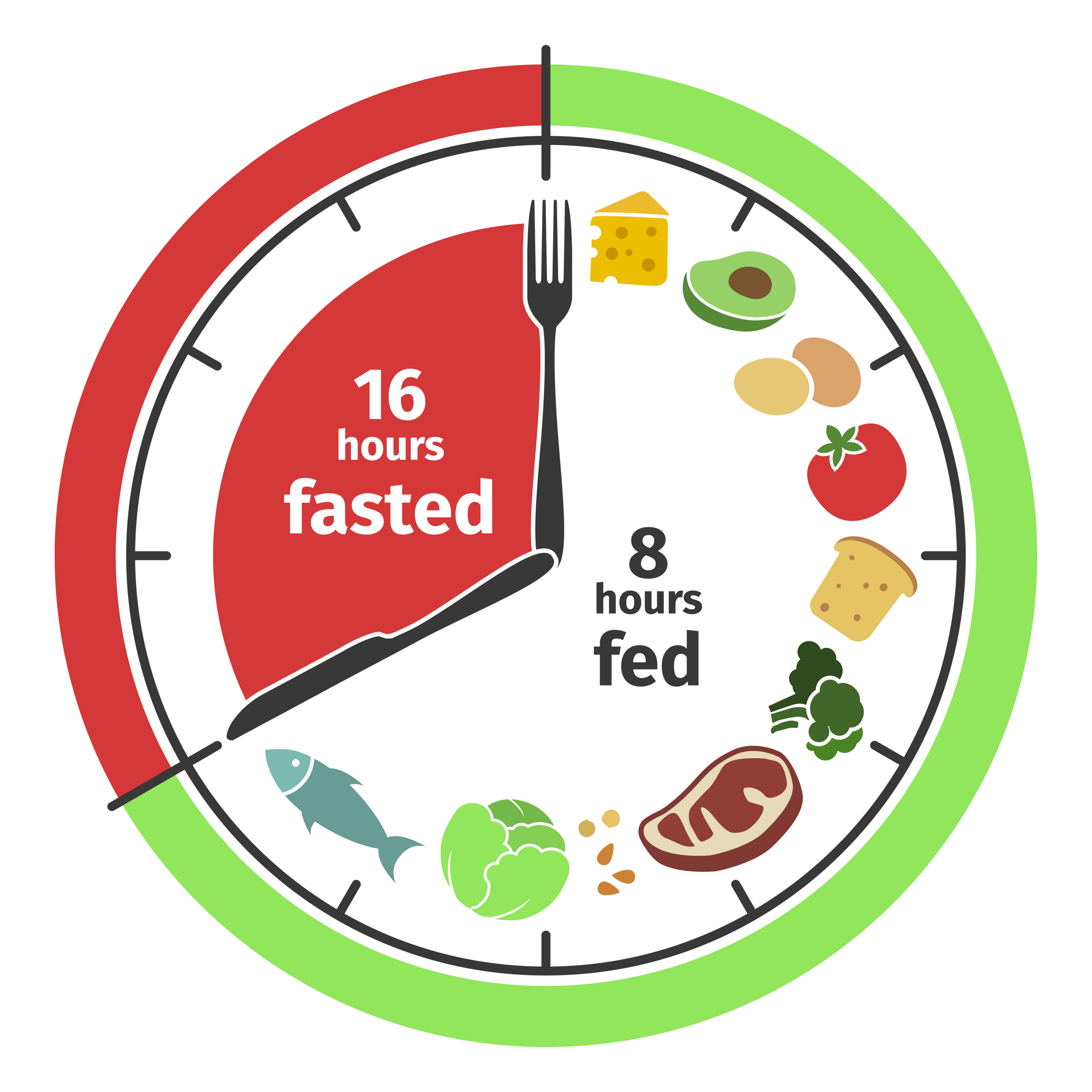
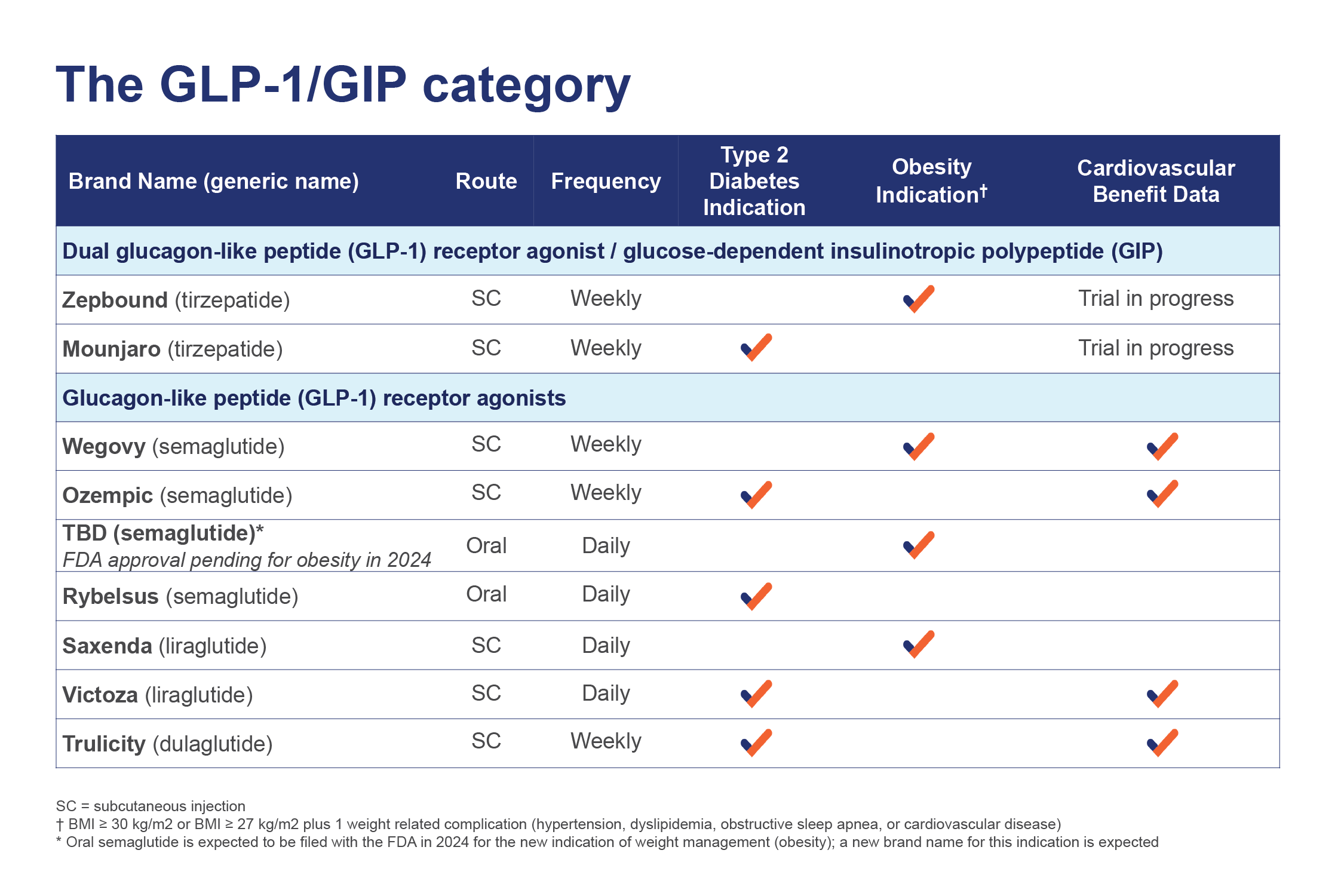
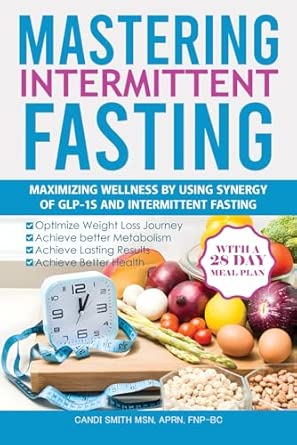
Intermittent fasting has been shown to increase GLP-1 levels, which can lead to improved insulin sensitivity, weight loss, and improved overall health. A 2020 study in Endocrine Connections found that intermittent fasting increases the response of GLP-1, the key appetite-regulating hormone that Ozempic stimulates. This means that combining intermittent fasting with GLP-1 medications like Ozempic or Mounjaro can be a powerful, synergistic strategy for weight loss and improved metabolic health.