How to Clean Kitchen Cabinets: A Comprehensive Guide
Cleaning your kitchen cabinets is an essential task that helps remove grease, grime, and food splatters that accumulate on the surfaces every day. If left uncleaned, this residue sticks to cabinet surfaces like a tacky glue, making it difficult to remove.
Why Clean Kitchen Cabinets?
Cleaning your kitchen cabinets is crucial to maintain a clean and hygienic kitchen environment. Bacteria like Salmonella can easily contaminate cabinet handles and knobs, making them a breeding ground for germs. Regular cleaning also helps to prevent the buildup of grease and grime, which can lead to a sticky and unappealing finish.
When to Clean Kitchen Cabinets?
Cleaning your kitchen cabinets is essential at least once a month. It's also a good practice to clean them after using strong chemicals, painting, or renovating the kitchen area.
Materials Needed:
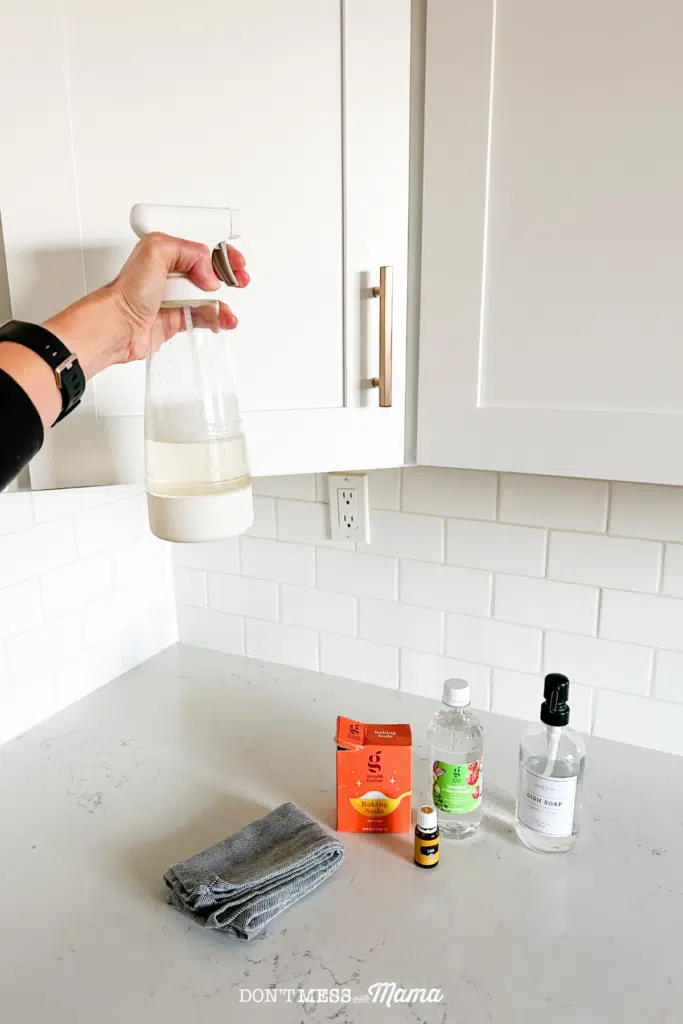
- Mild dish soap
- Warm water
- Soft cloth or sponge
- Microfiber cloth
- Wood polish or furniture wax
- White vinegar
- Soft-bristled brush
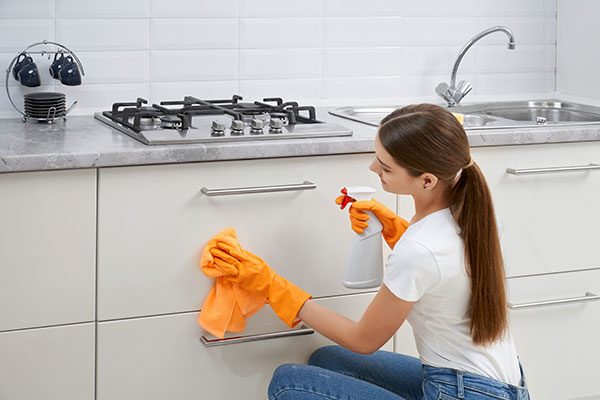
- Bucket or container
Step-by-Step Instructions:
Follow these simple steps to clean your kitchen cabinets safely and effectively:
- Remove all items from the cabinets and wipe down the surfaces with a dry cloth to eliminate loose debris.
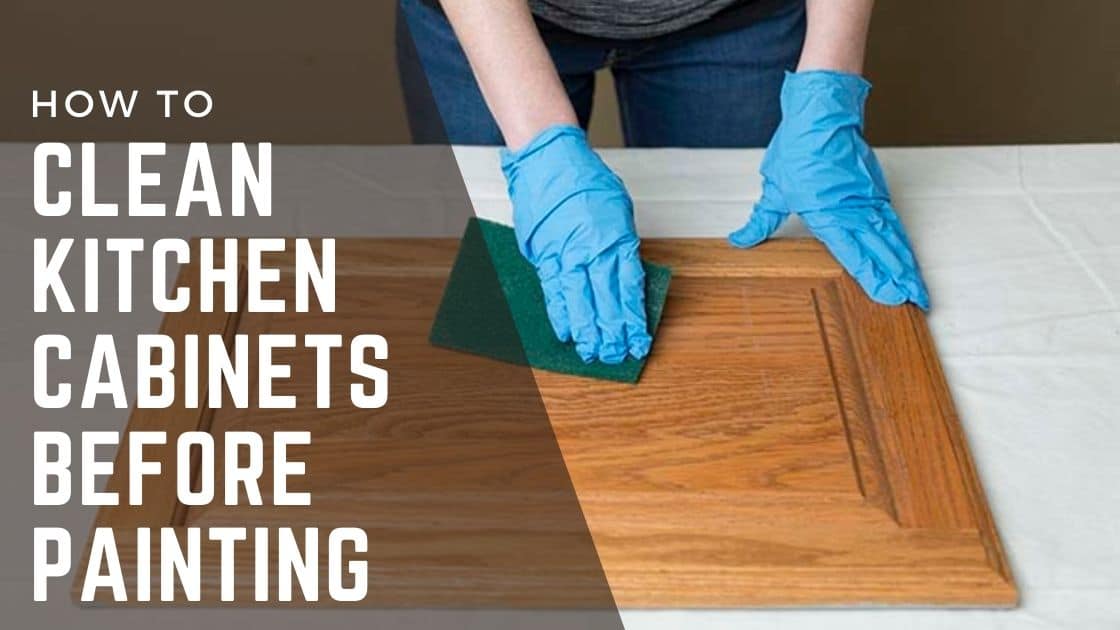
- Mix a solution of warm water and mild dish soap in a bucket. Dip a soft cloth or sponge into the soapy water, wring out excess liquid, and gently scrub the cabinet doors and shelves in small sections.
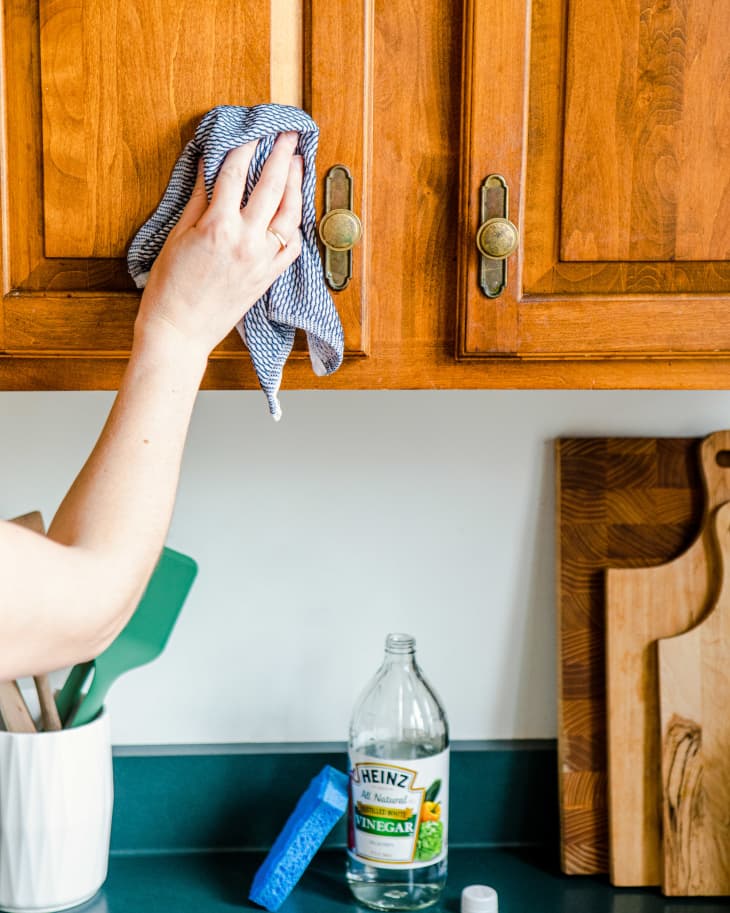
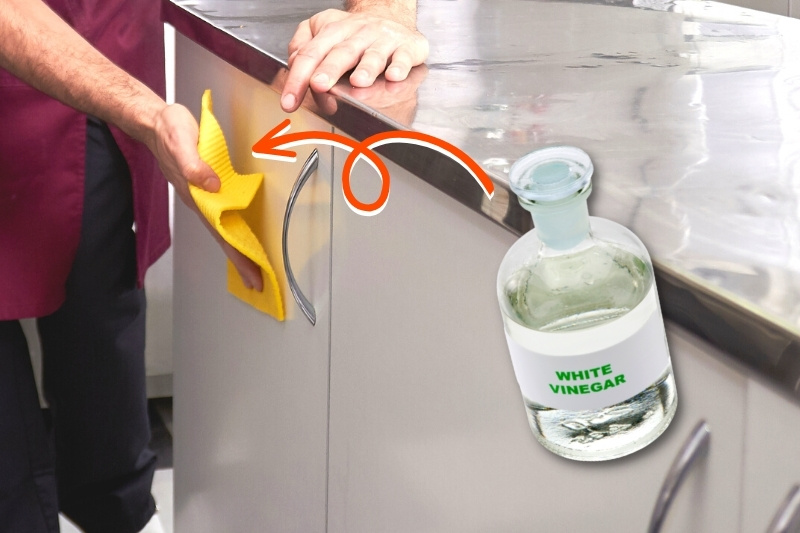
- For tough stains or grease buildup, create a mixture of equal parts vinegar and water. This solution is effective at cutting through grease and grime without damaging the wood.
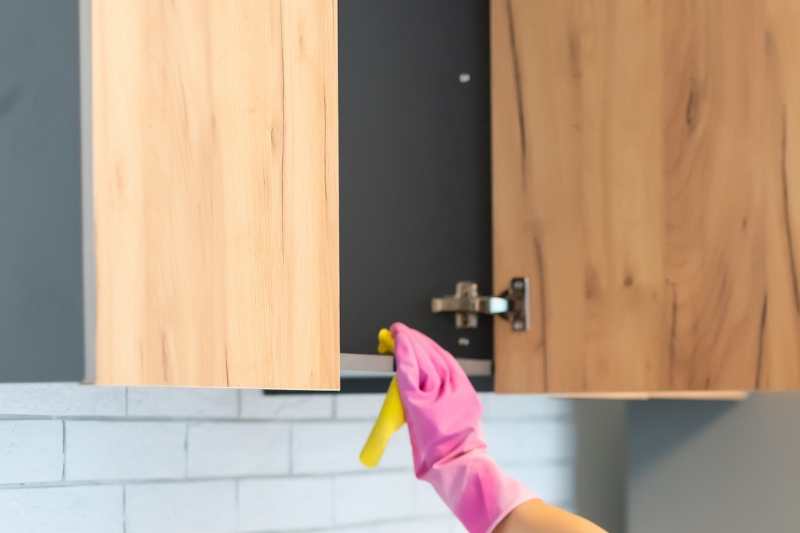
- Rinse the cabinets with a clean, damp cloth to remove any soap residue.
- To restore the wood's natural shine, apply a small amount of wood polish or furniture wax using a clean cloth.
- Allow the cabinets to dry completely before replacing any items.