Home-Based Rehabilitation Programs for Neurological Disorders
Neurologic disorders, such as stroke, traumatic brain injury, multiple sclerosis, and other nervous system conditions, affect millions of people worldwide. These disorders can cause significant functional difficulties, impacting a person's quality of life, independence, and overall well-being. One effective approach to address these challenges is with home-based rehabilitation programs for neurological disorders.
What are Home-Based Rehabilitation Programs for Neurological Disorders?
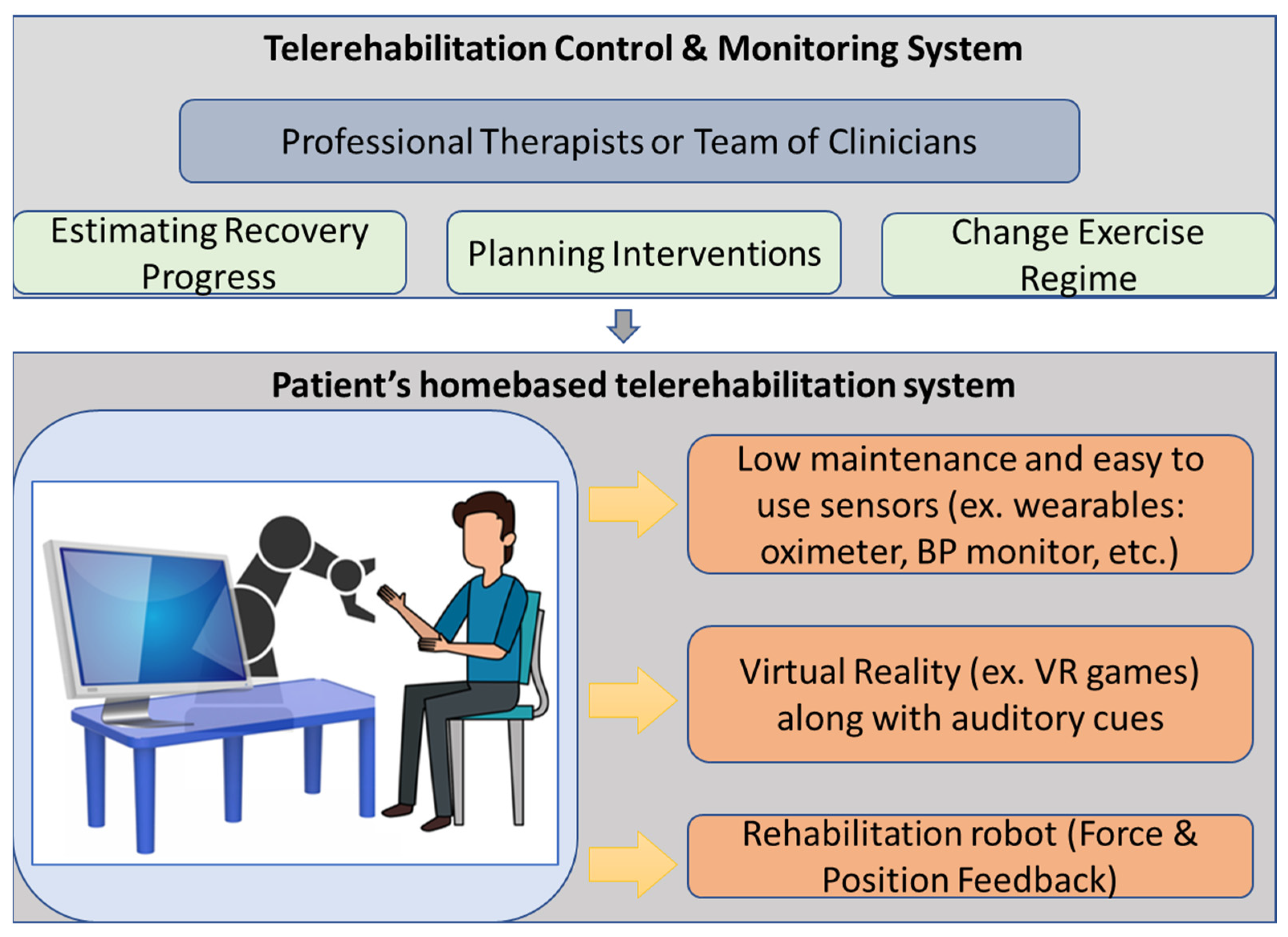
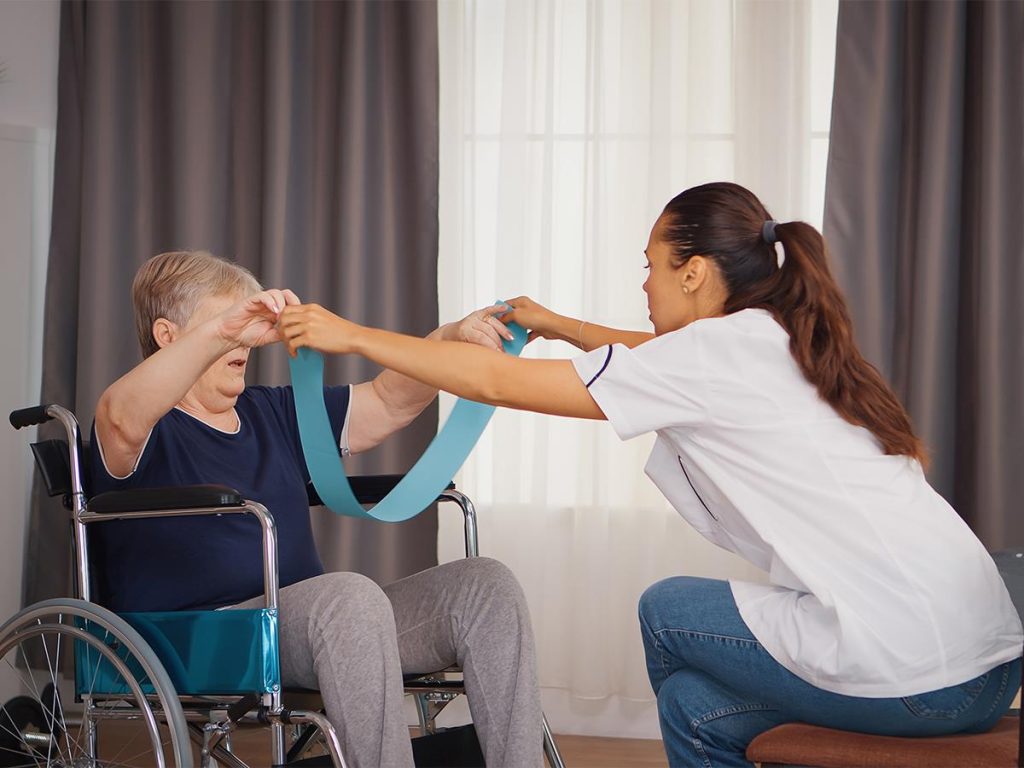
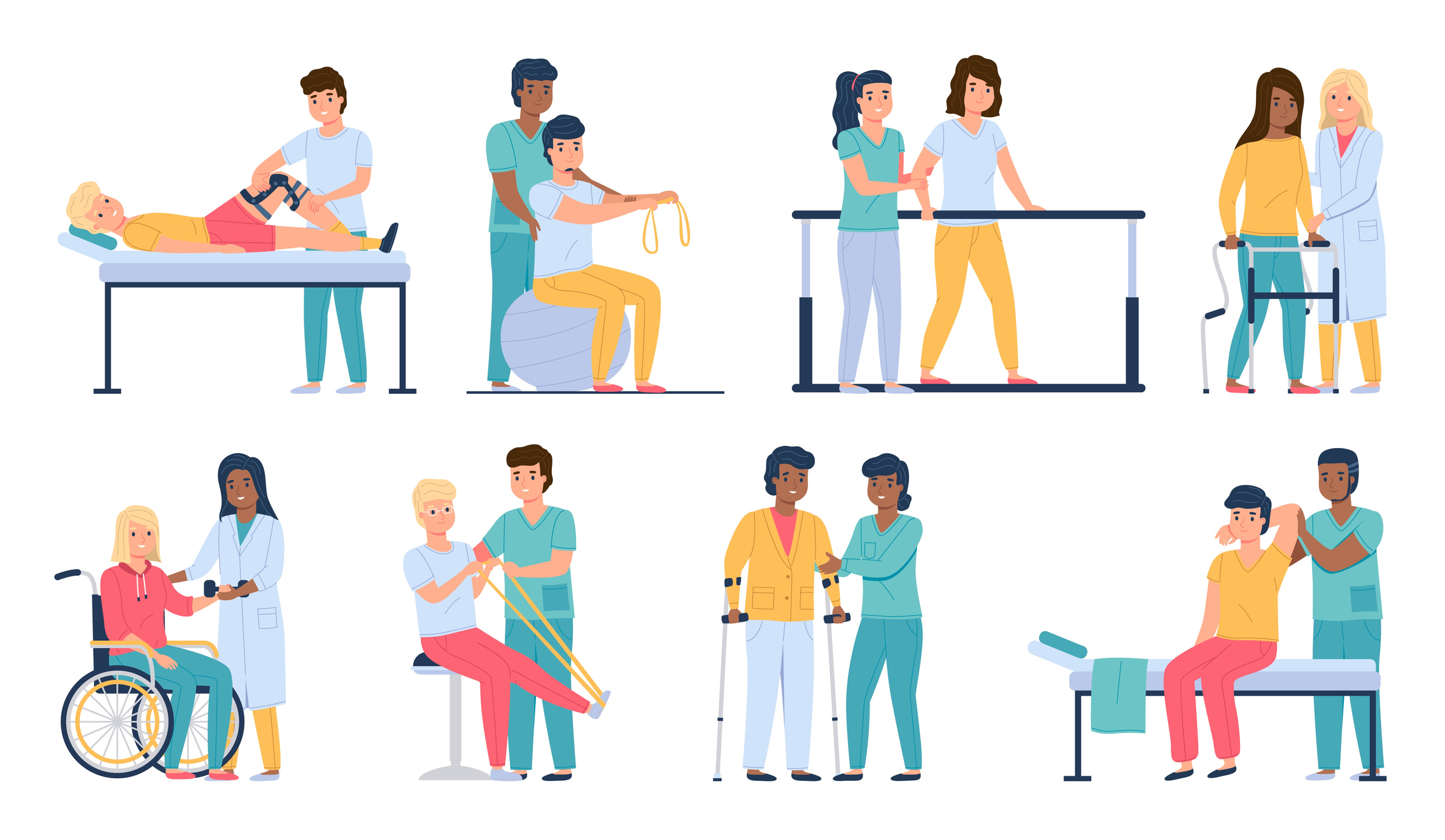
Home-based rehabilitation programs for neurological disorders are designed to help patients receive therapy and treatment in the comfort of their own homes. These programs offer a flexible and convenient solution for individuals who may face difficulties commuting to a hospital or clinic, or who require ongoing rehabilitation and support after a neurological event.

Benefits of Home-Based Rehabilitation Programs for Neurological Disorders
- Convenience**: Patients can receive therapy in the comfort of their own homes, reducing the need for transportation and time constraints.
- Flexibility**: Home-based rehabilitation programs can be tailored to fit the individual's schedule and needs, allowing for more frequent or prolonged therapy sessions.
- Personalized care**: Home-based rehabilitation programs can be tailored to address specific needs and goals, ensuring each patient receives targeted and effective treatment.
- Cost-effective**: Home-based rehabilitation programs can be more cost-effective than traditional in-clinic or hospital-based programs, reducing the need for expensive equipment and hospital stays.
- Improved outcomes**: Studies have shown that home-based rehabilitation programs can lead to improved functional outcomes, increased independence, and better quality of life for patients with neurological disorders.