Hardwood Floor Installation Requirements: A Guide for Homeowners and Professionals
Hardwood floor installation represents a transformative home improvement that enhances both aesthetic appeal and property value. Whether you're replacing existing flooring or upgrading from carpet or vinyl, the installation process involves numerous critical steps that influence your floor's appearance, performance, and durability.
Introduction: Understanding the Hardwood Installation Journey
Before starting the installation process, it's essential to understand the requirements and regulations surrounding hardwood flooring, as well as the tools and materials needed to achieve a smooth and professional result. This guide will walk you through the essential steps and recommendations for a successful hardwood floor installation.
:no_upscale()/cdn.vox-cdn.com/uploads/chorus_asset/file/19493650/0405_flooring_illo.jpg)
Preparation and Planning
- Inspect the subfloor for moisture content, using a metering device for wood and/or concrete. Ensure the subfloor meets the minimum installation requirements for moisture content.
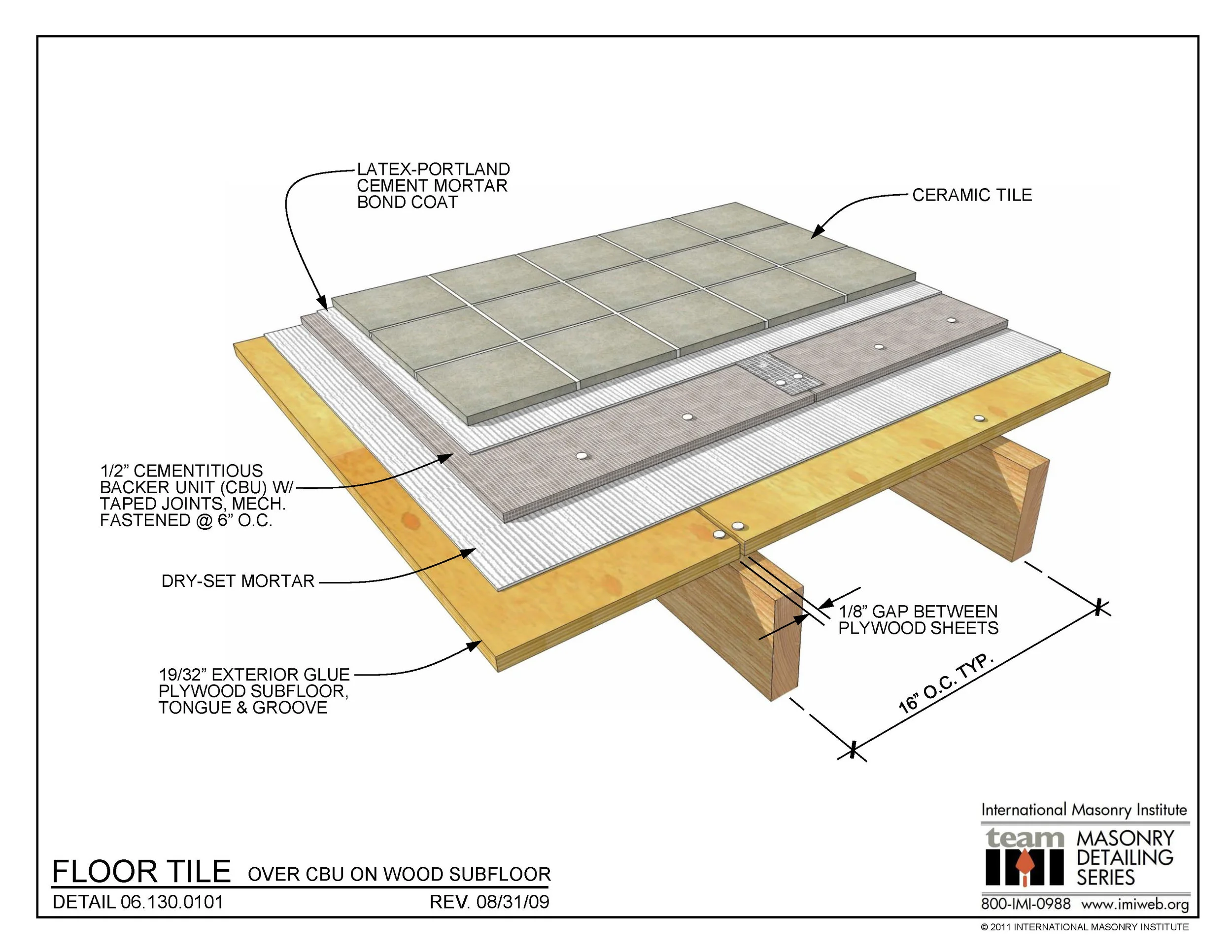
- Check the subfloor for any cracks, unevenness, or other imperfections that may impact the installation process. Make necessary repairs before proceeding.
- Determine the acclimation time required for the hardwood flooring, based on the manufacturer's recommendations and the specific wood species used.
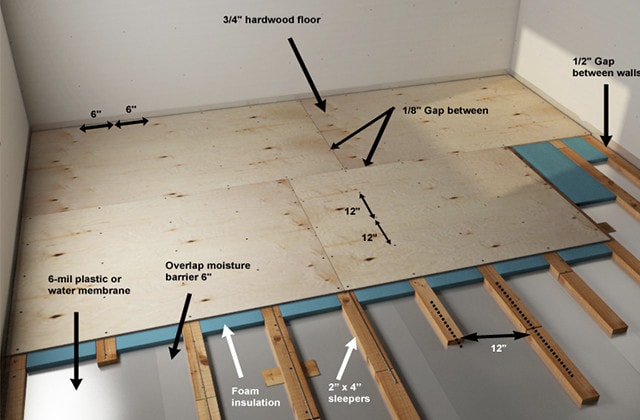
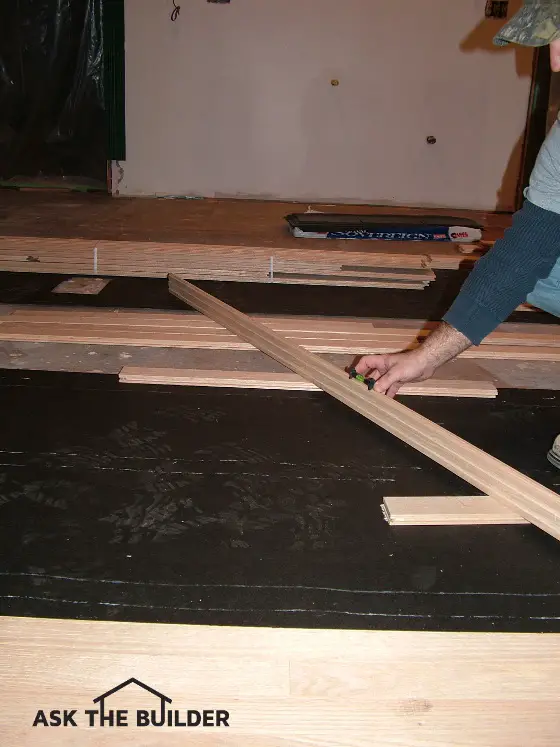
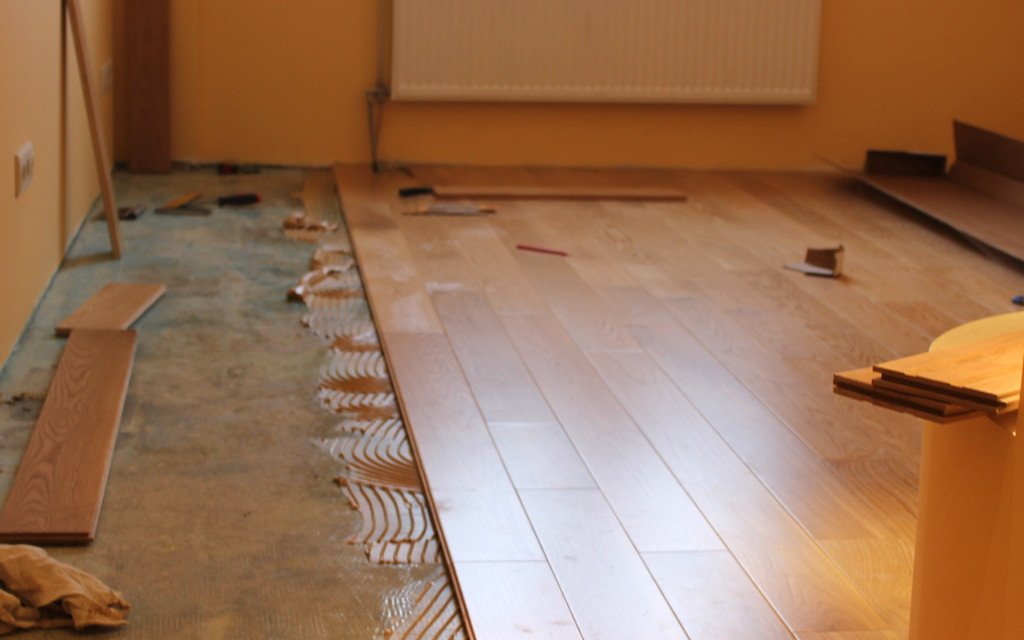
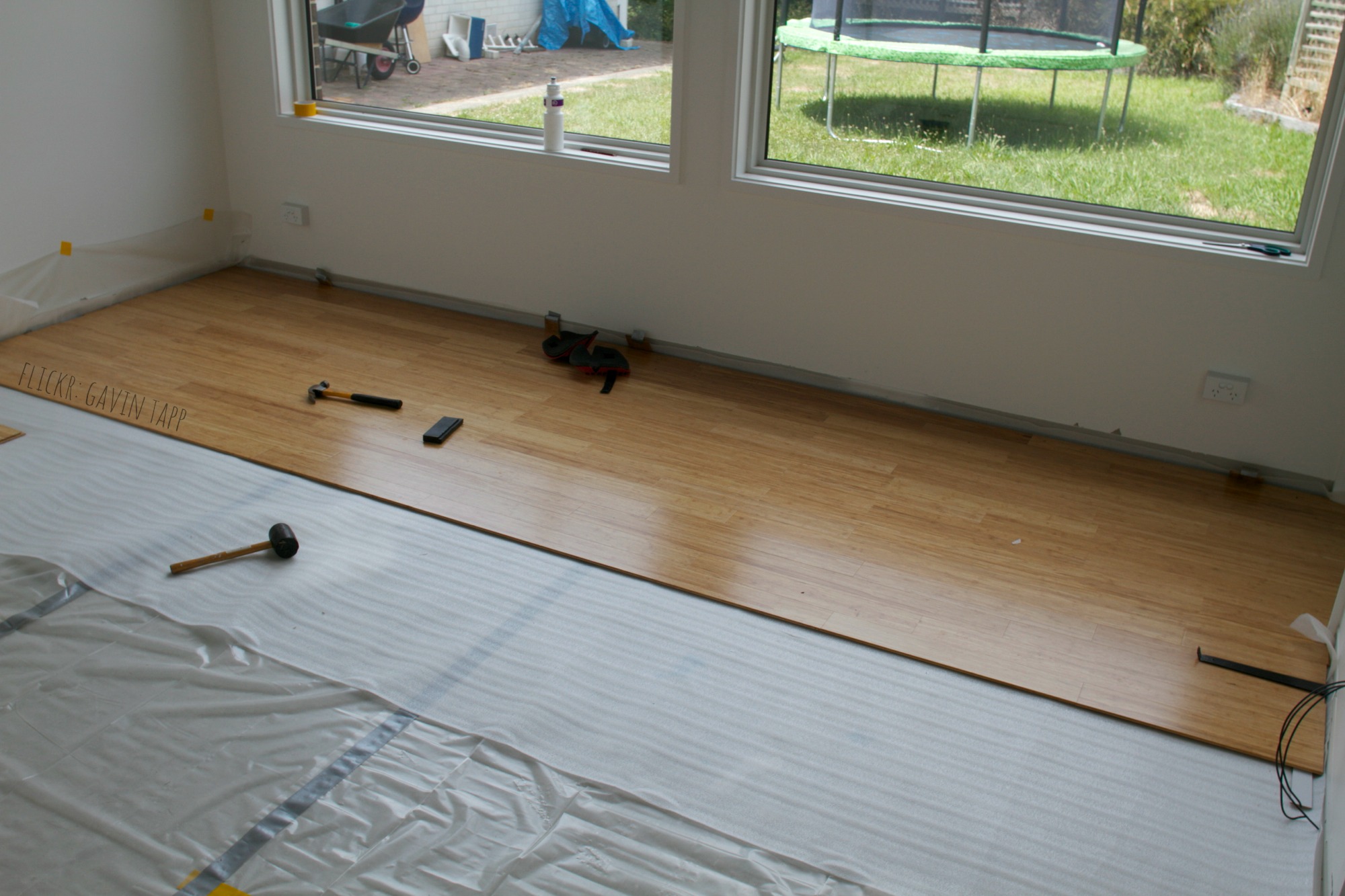
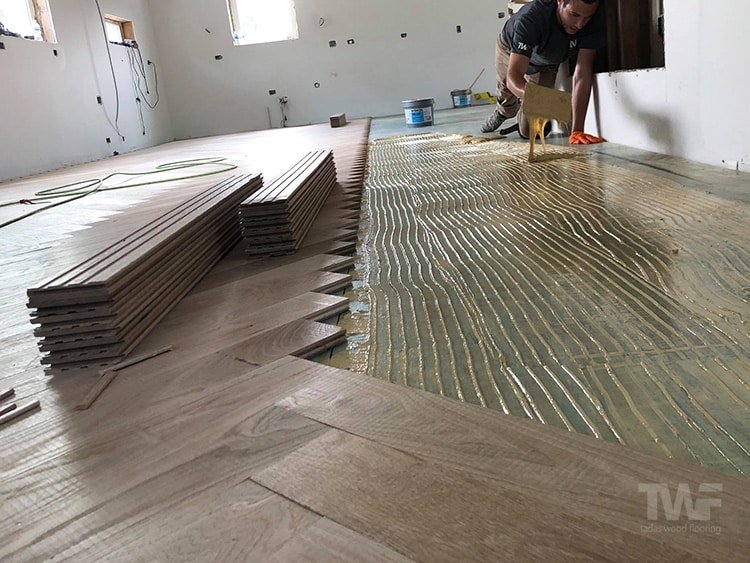
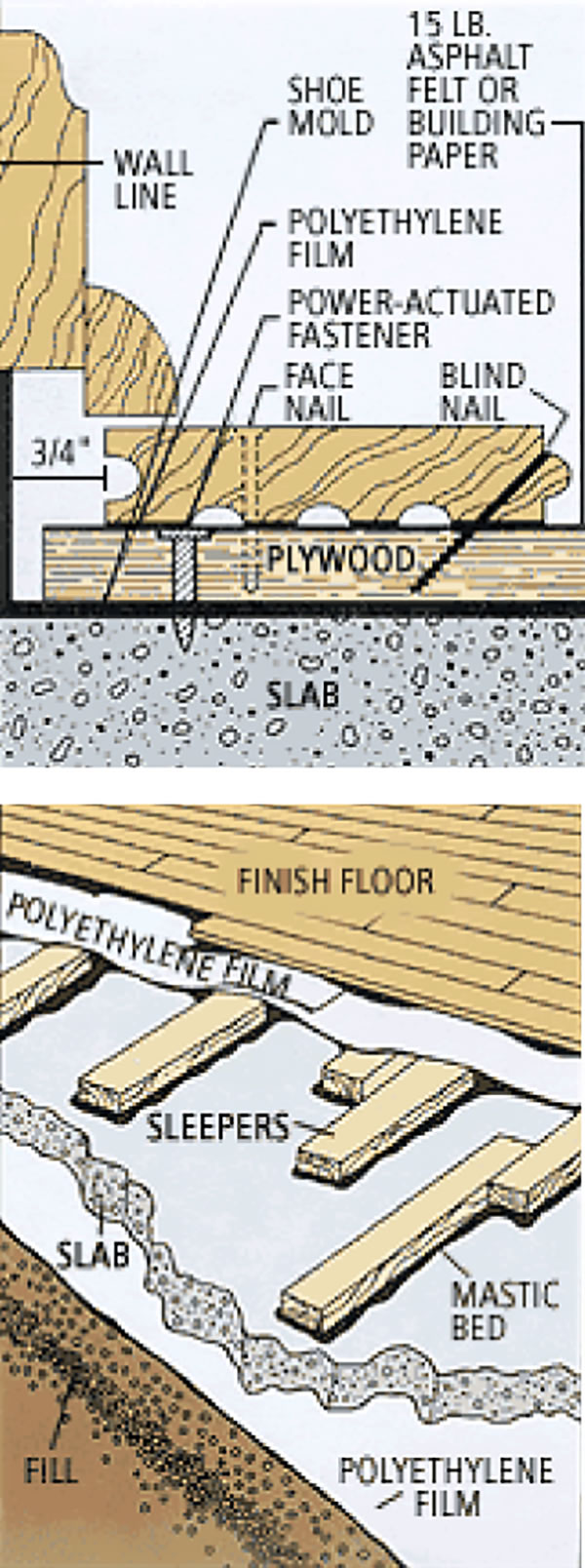
- Prepare the subfloor for installation by applying an underlayment, such as rosin paper for nail-down or a vapor barrier for concrete slabs, to protect against moisture migration.