Understanding GLP-1 Medications: A Comprehensive Guide to GLP-1 Side Effects and Weight Loss
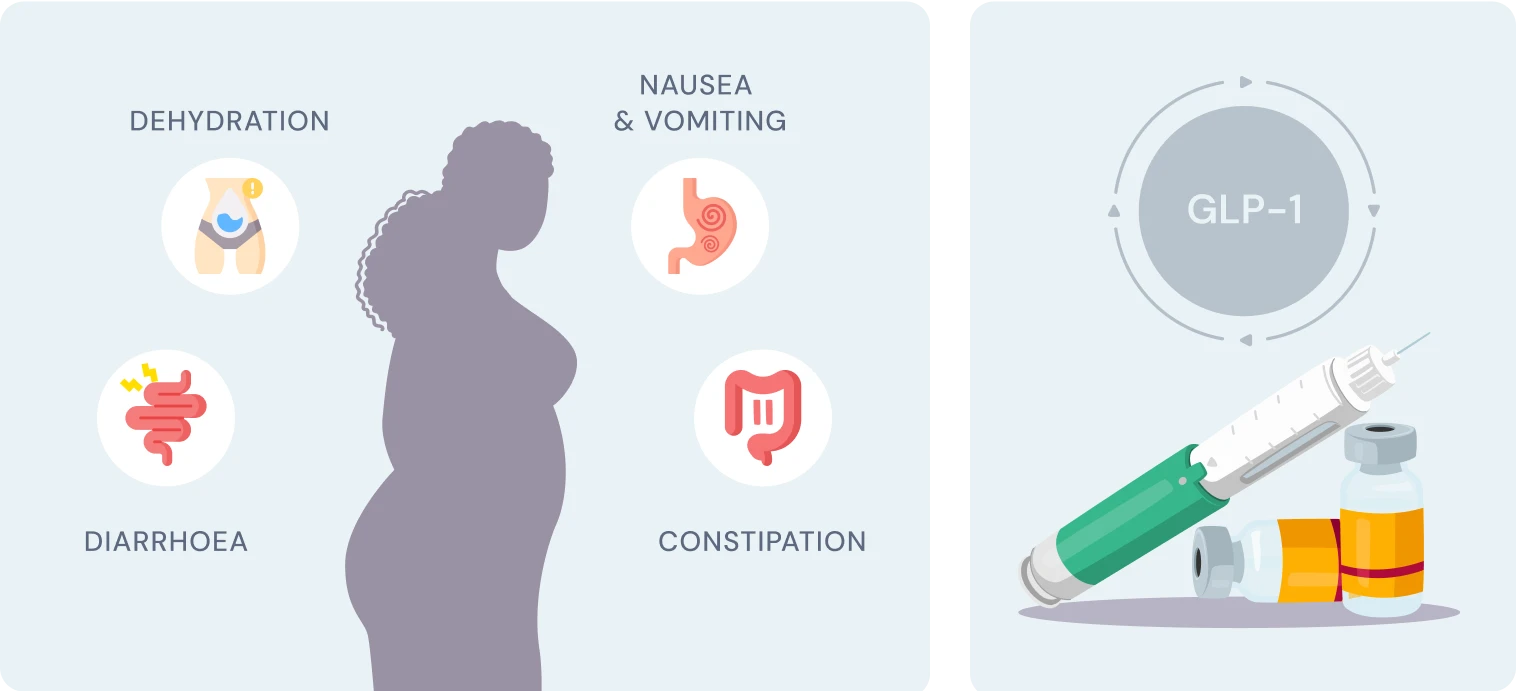
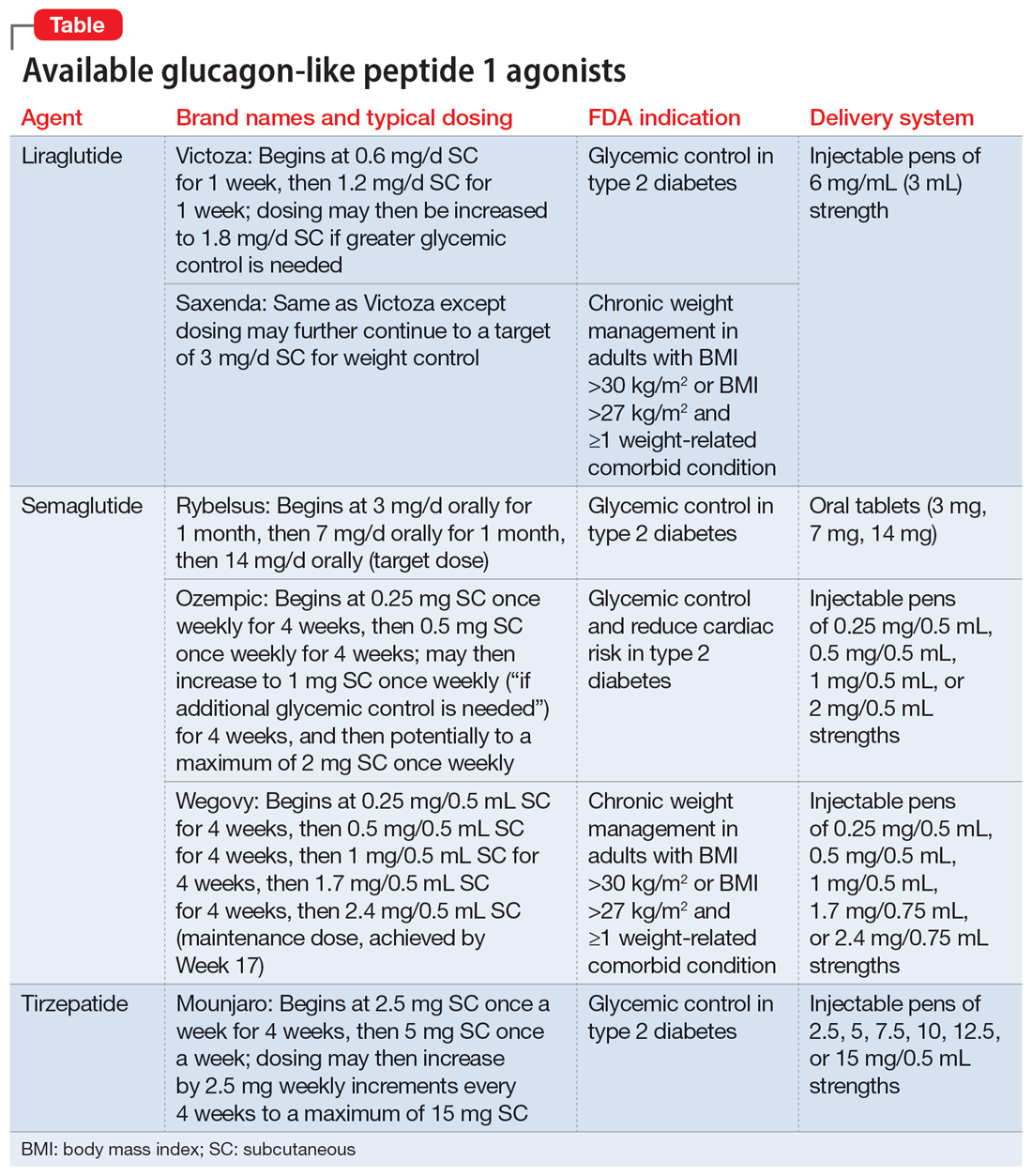
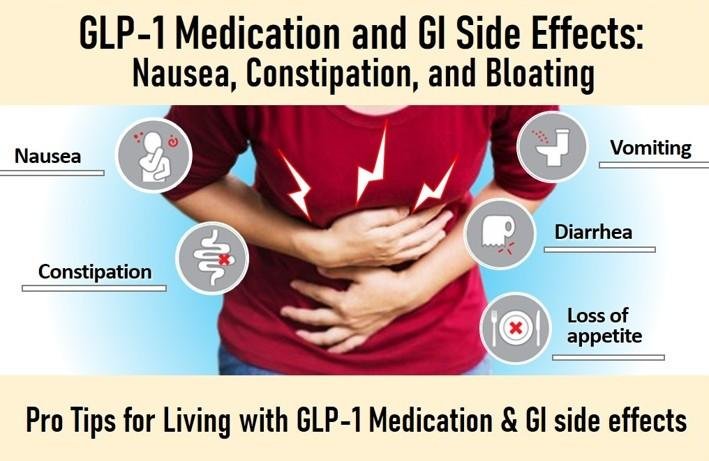
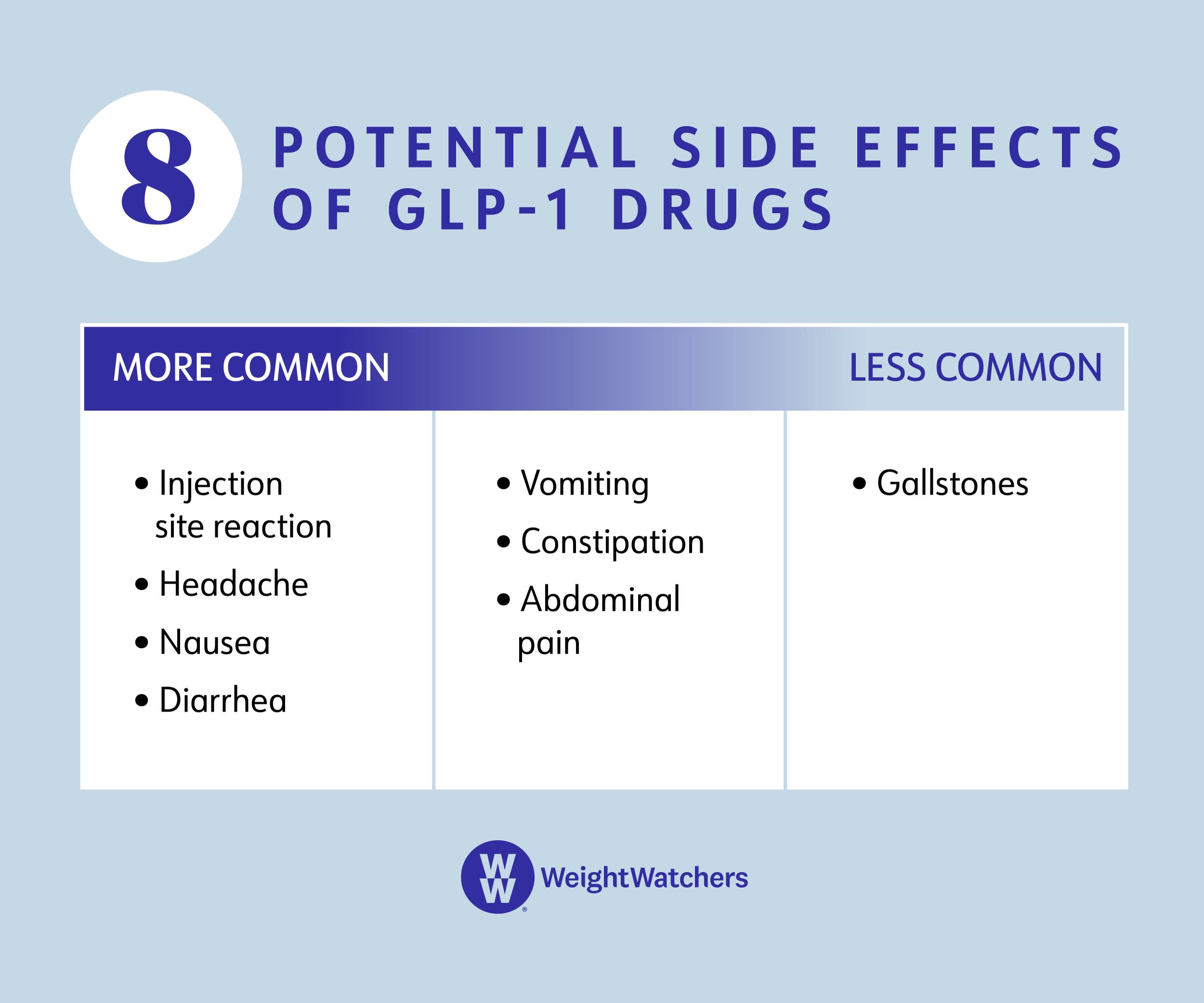
GLP-1 medications have become increasingly popular for their efficacy in managing type 2 diabetes and facilitating weight loss. However, with the growing use of these medications, concerns about their side effects have also risen. In this article, we will delve into the world of GLP-1 medications, discussing their mechanism of action, common and rare side effects, and tips for managing the latter.
The Basics of GLP-1 Medications
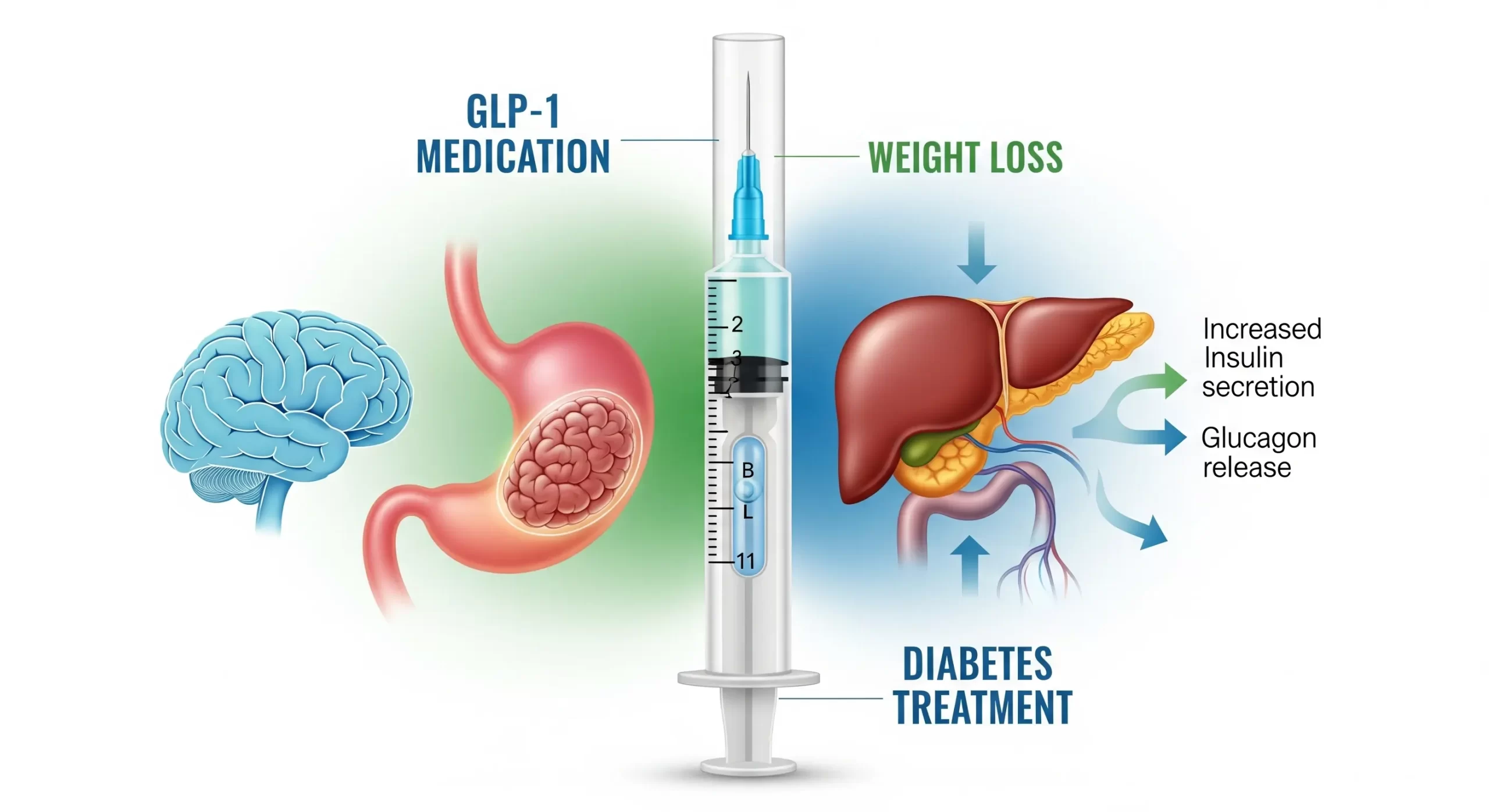
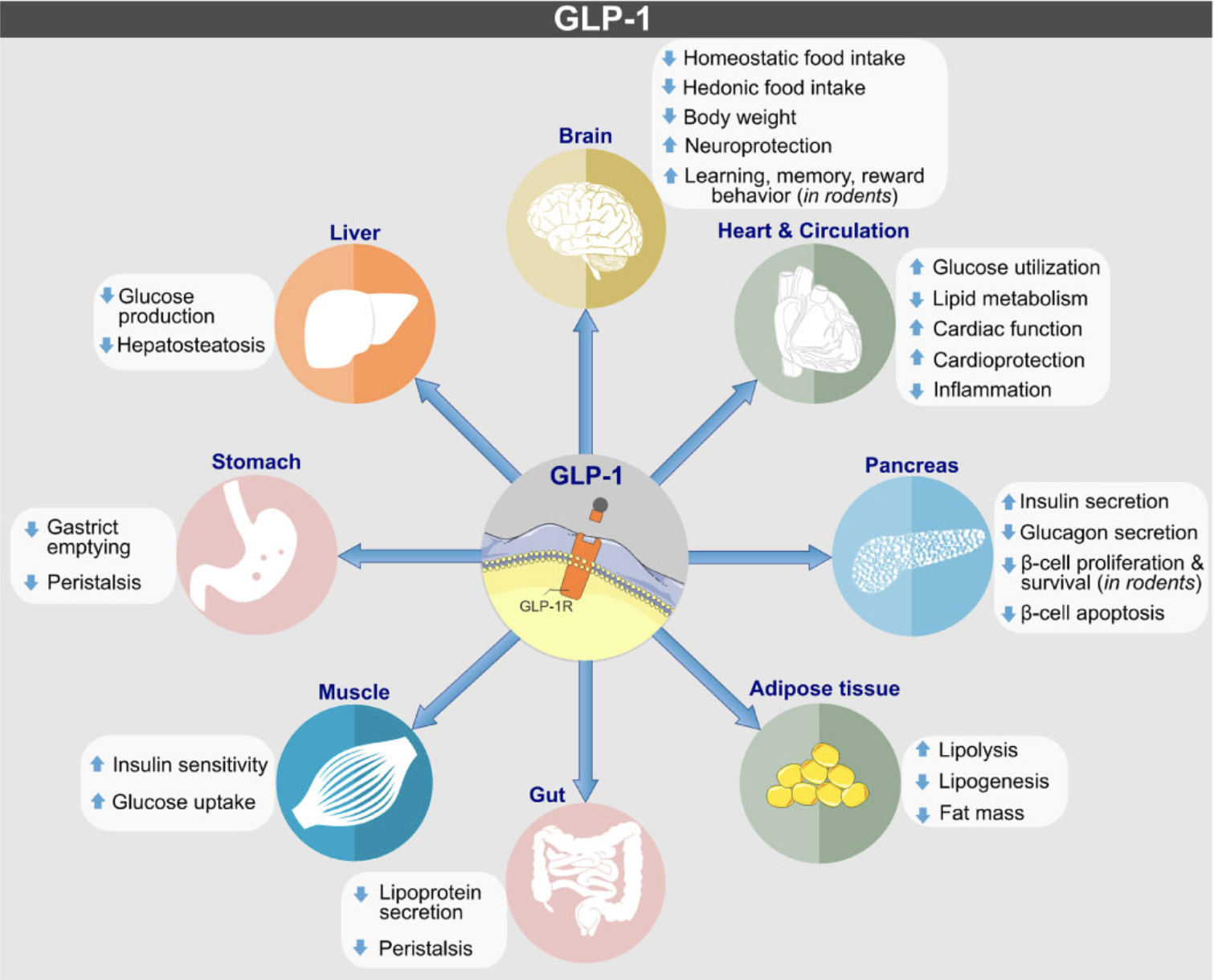
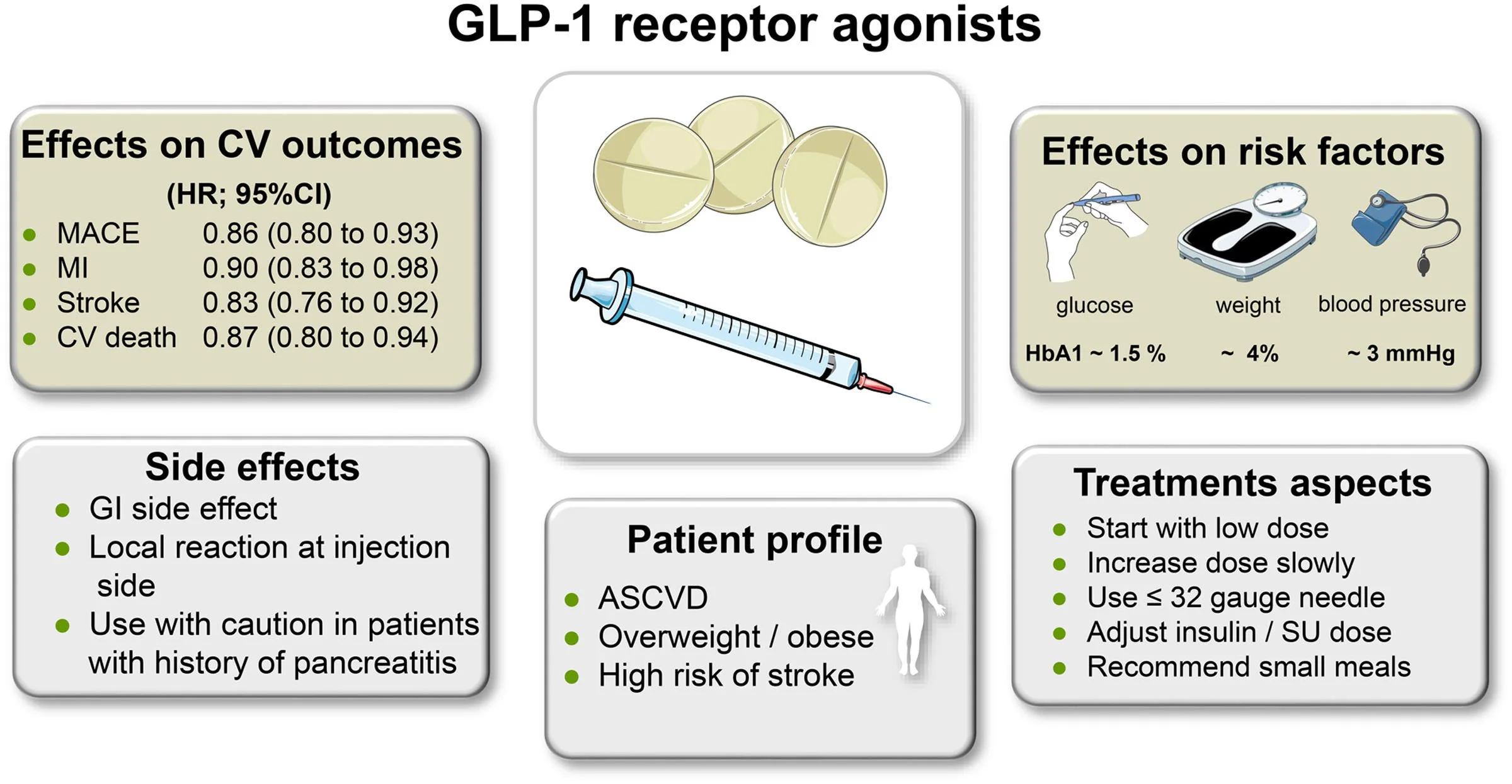
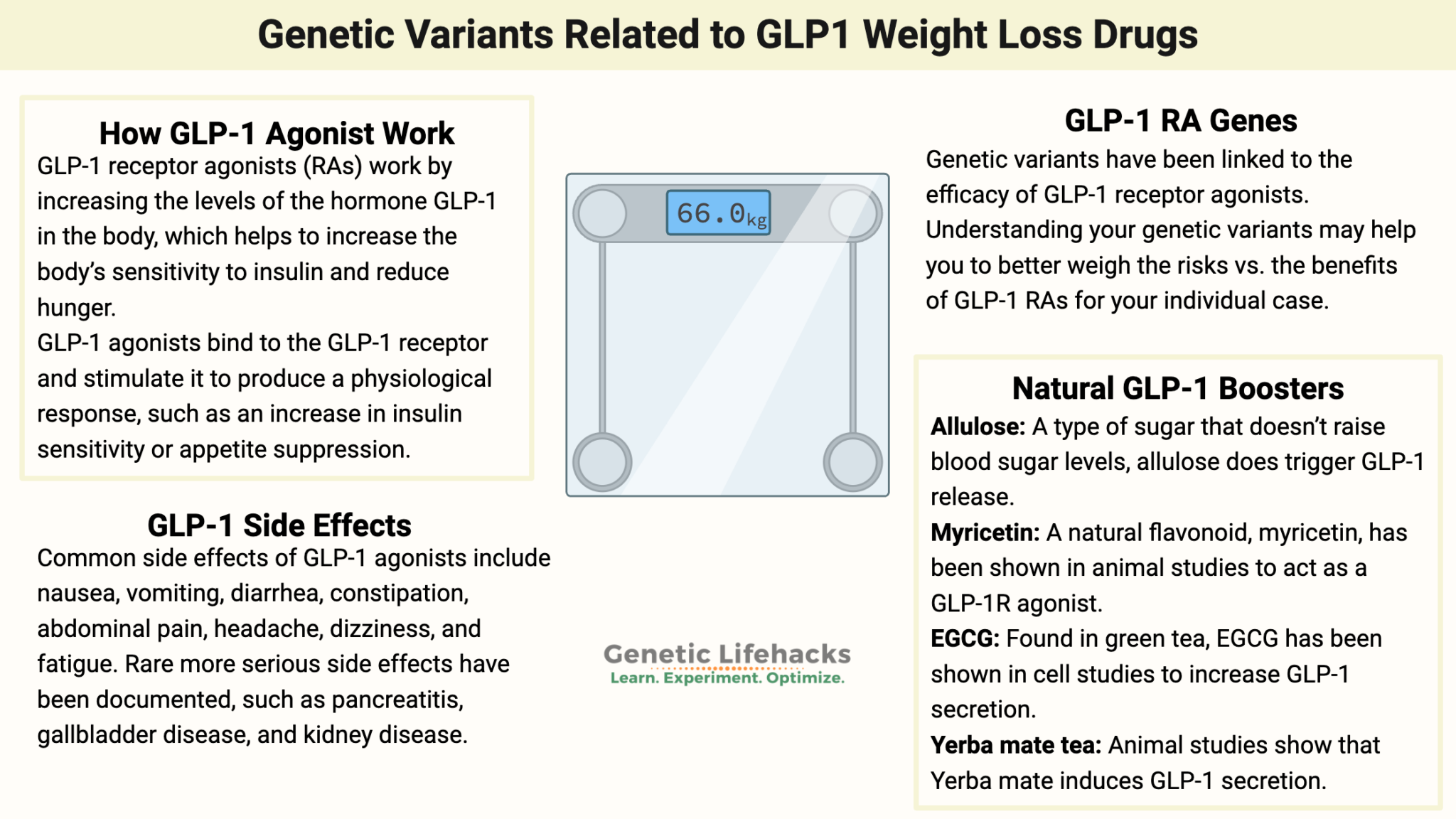
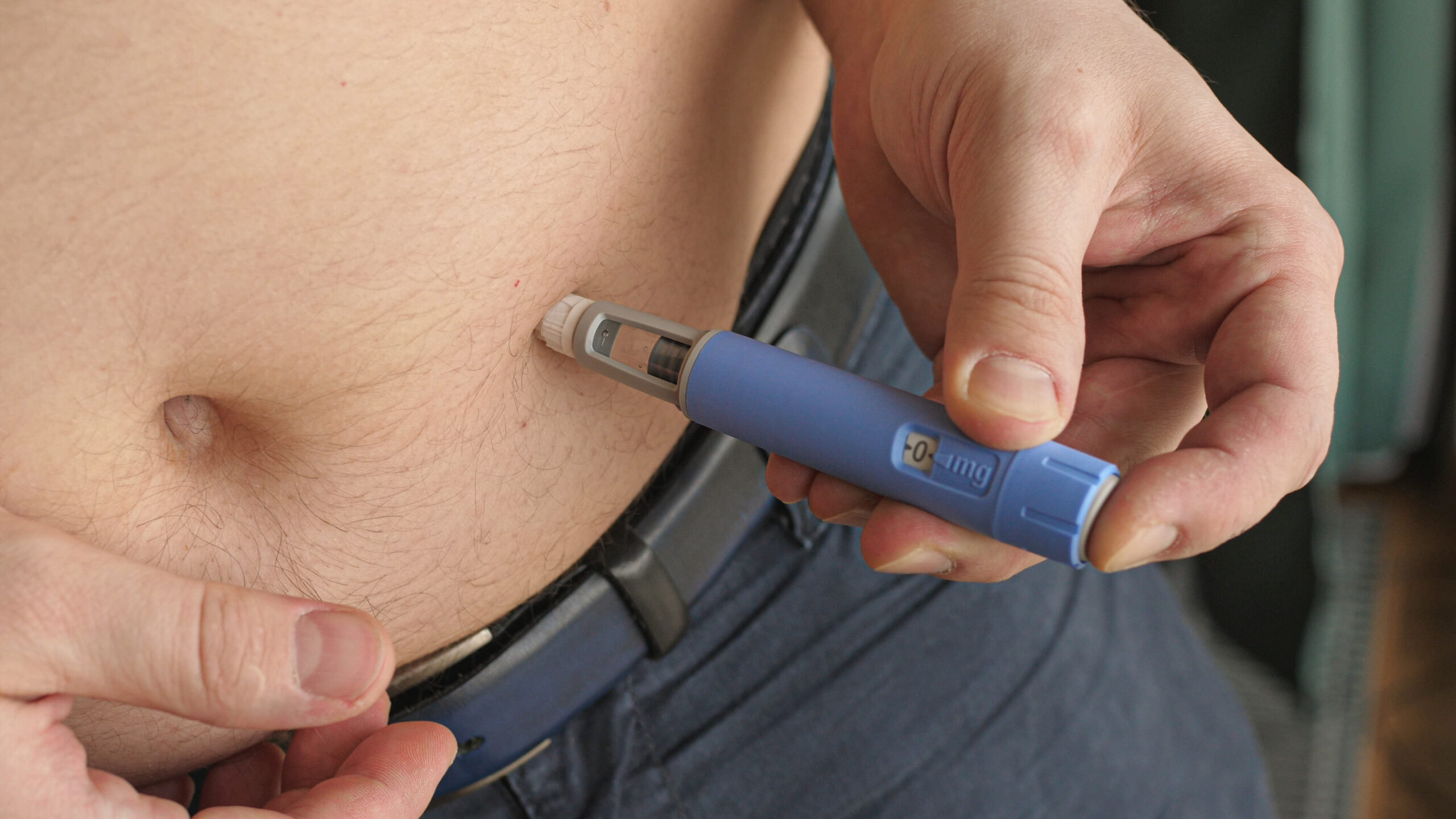
GLP-1 medications, also known as GLP-1 agonists, are a class of injectable medications that mimic the action of a natural hormone called glucagon-like peptide-1 (GLP-1). This hormone is produced in the intestines and plays a crucial role in regulating blood glucose levels, suppressing appetite, and slowing gastric emptying. By mimicking the action of GLP-1, these medications help to improve insulin sensitivity, reduce blood glucose levels, and promote weight loss.
How GLP-1 Medications Function in the Body
- Regulate appetite and metabolism: GLP-1 agonists help to suppress appetite by reducing hunger and increasing feelings of fullness.
- Improve insulin sensitivity: By increasing insulin sensitivity, GLP-1 agonists help the body to better regulate blood glucose levels and reduce the risk of complications associated with diabetes.
- Slow gastric emptying: By slowing the movement of food from the stomach to the small intestine, GLP-1 agonists help to improve satiety and reduce postprandial glucose spikes.