Unlocking the Secret to Beating Sugar Addiction with GLP-1 Therapies
When it comes to addressing addiction, particularly sugar addiction, conventional treatments have consistently fallen short. However, the emergence of glucagon-like peptide-1 (GLP-1) therapies is providing a glimmer of hope for those struggling with this debilitating condition.
The GLP-1 Connection to Sugar Addiction
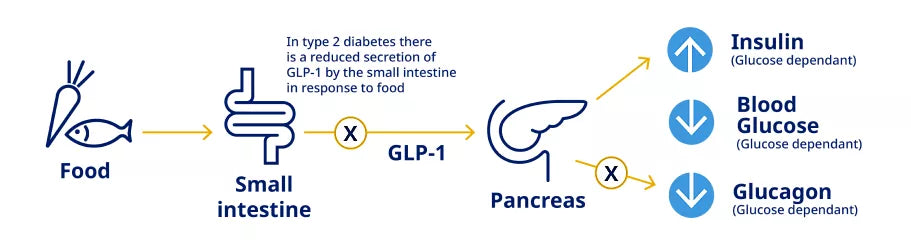
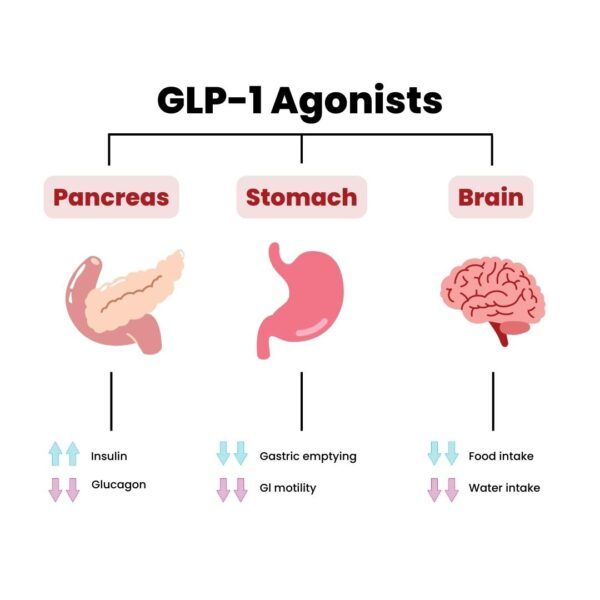
GLP-1 is a hormone produced by the small intestine in response to food consumption. Its primary role is to trigger insulin release from the pancreas, regulate blood sugar levels, and increase feelings of fullness after eating. Recent studies have highlighted the potential of GLP-1 therapies in treating addictions, including sugar addiction.
The Science Behind GLP-1 and Sugar Addiction Therapies

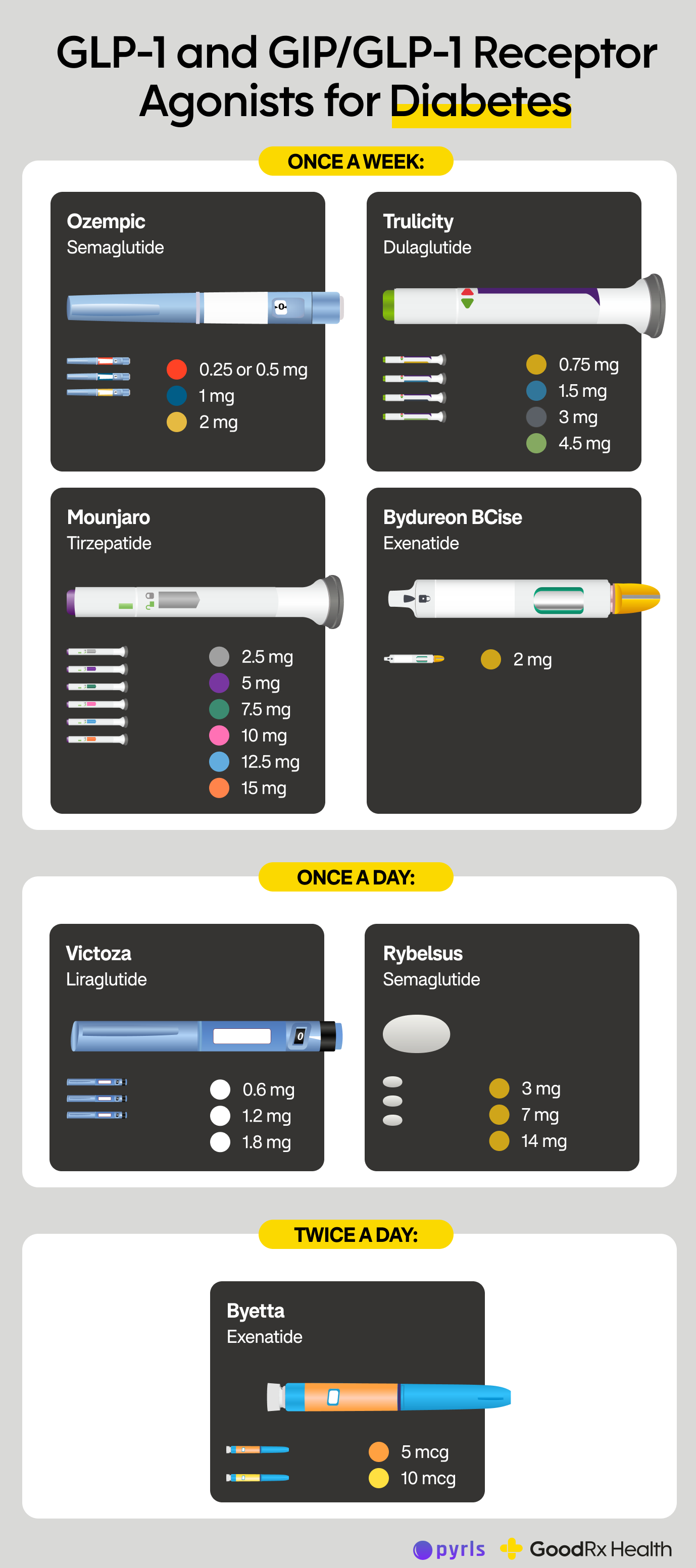
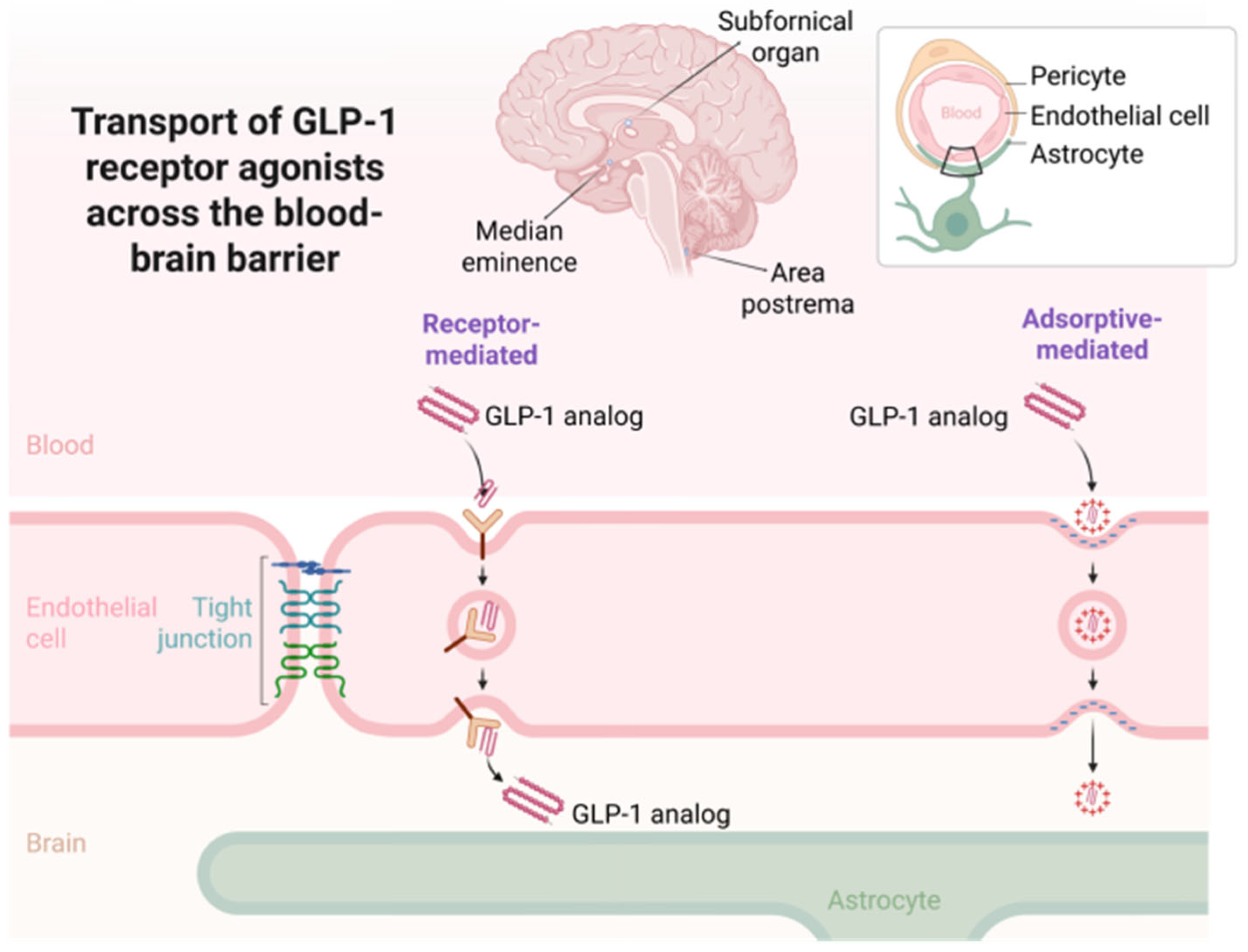
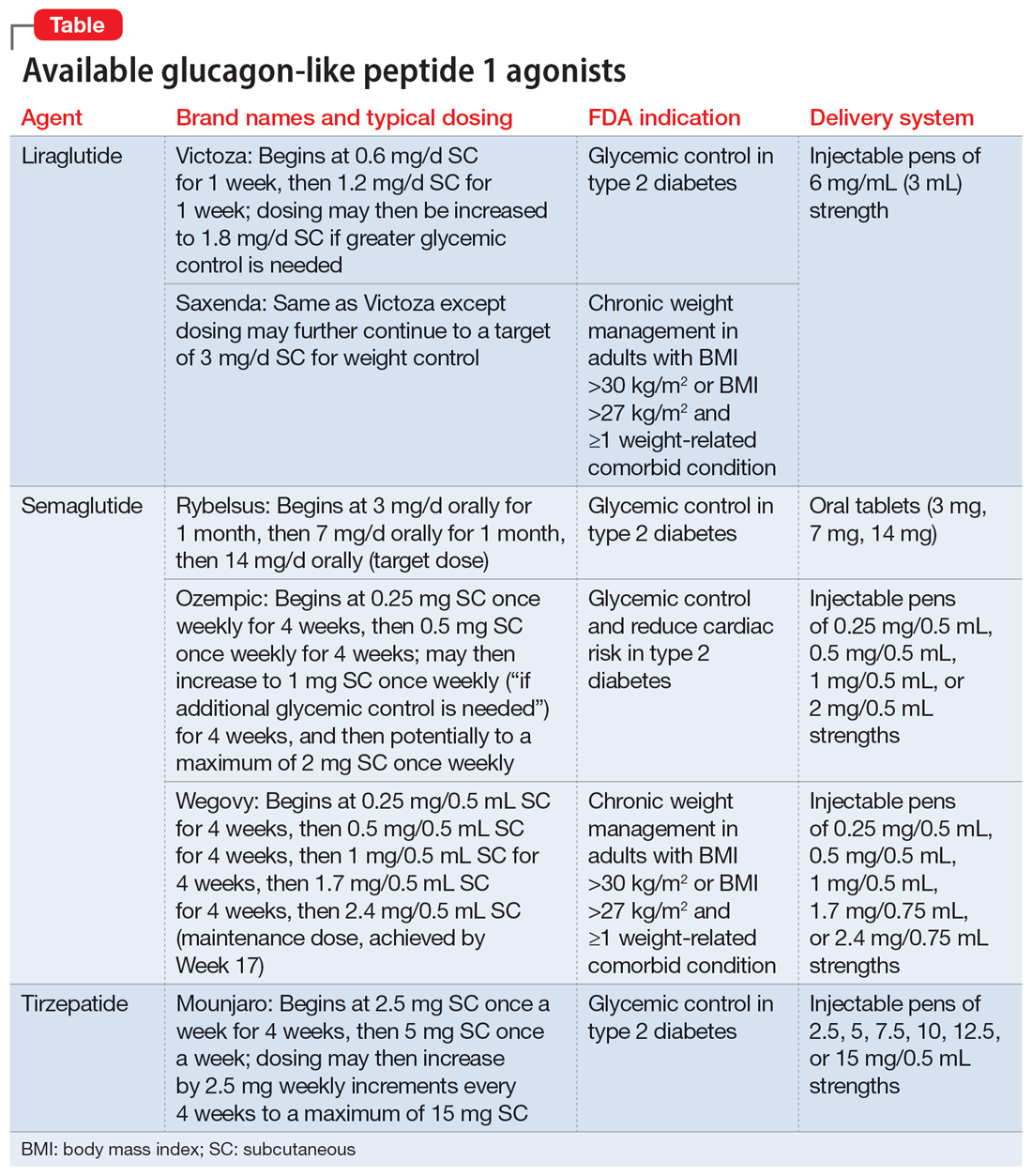
Research has shown that drugs like Ozempic and Wegovy, which are designed to mimic GLP-1, can alter the brain's reward system, reducing cravings and withdrawal symptoms associated with sugar addiction. This is fascinating, as it challenges the conventional understanding of addiction as solely a psychological phenomenon.
How GLP-1 Therapies Combat Sugar Addiction:
- Regulation of Blood Sugar Levels: By controlling blood sugar levels, GLP-1 therapies can mitigate the intense cravings associated with sugar addiction.
- GLP-1 drugs alter the brain's reward system, reducing the pleasure associated with sugary foods and drinks.
- Reducing Weight Loss and Improve Metabolism: By slowing digestion and reducing appetite, GLP-1 therapies can lead to weight loss and improved metabolism, reducing the likelihood of sugar cravings.