Enhancing Flow States through Socio-Contextual Interactions
Flow, a state of deep immersion and focused engagement, is a desirable experience that can lead to improved performance, satisfaction, and well-being. However, many individuals struggle to enter and maintain flow states. Interventions that foster flow have gained significant attention in recent years, with a focus on understanding the role of socio-contextual interactions in enhancing flow states.
What is Flow?
Flow is a concept described by Mihaly Csikszentmihalyi as an optimal cognitive state where individuals experience deep focus and intrinsic motivation when a task's difficulty aligns with their skill level. This state is characterized by heightened concentration, a sense of control, and a distorted sense of time.
The Role of Socio-Contextual Interactions

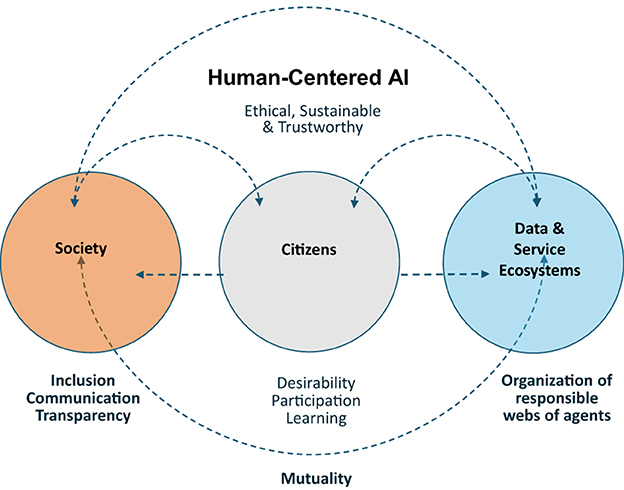
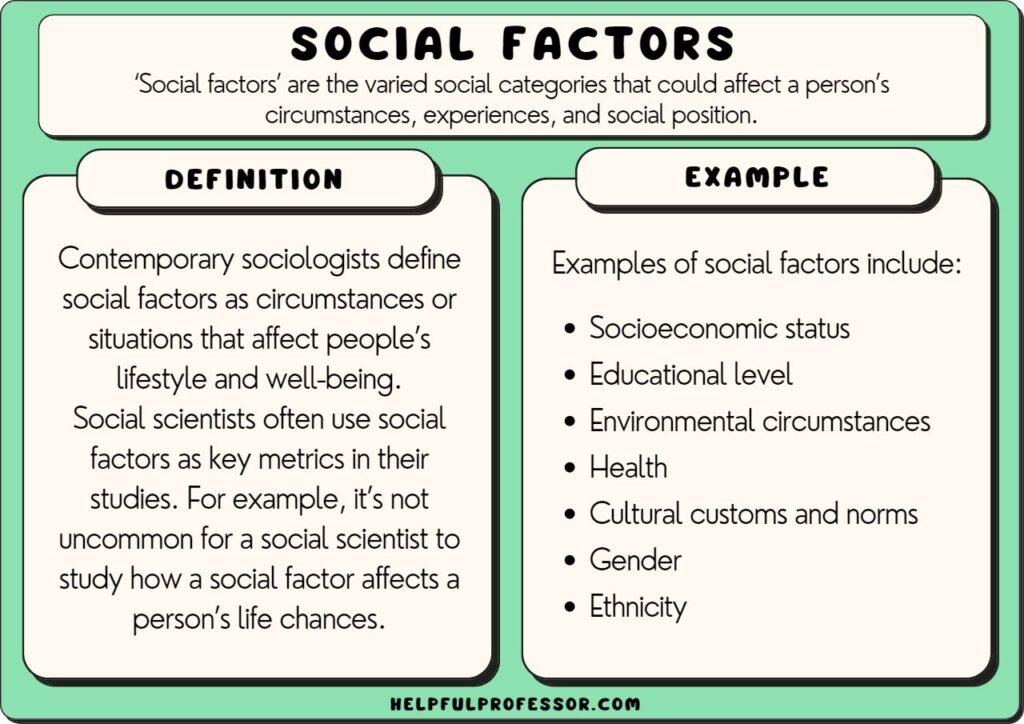
While individual-level factors such as skill level and task difficulty are well-documented antecedents of flow, recent research suggests that socio-contextual interactions can also play a crucial role in enhancing flow states. Social interactions can provide a sense of belonging, motivation, and challenge, which can help individuals enter and maintain flow states.
Socio-Contextual Interactions and Flow States
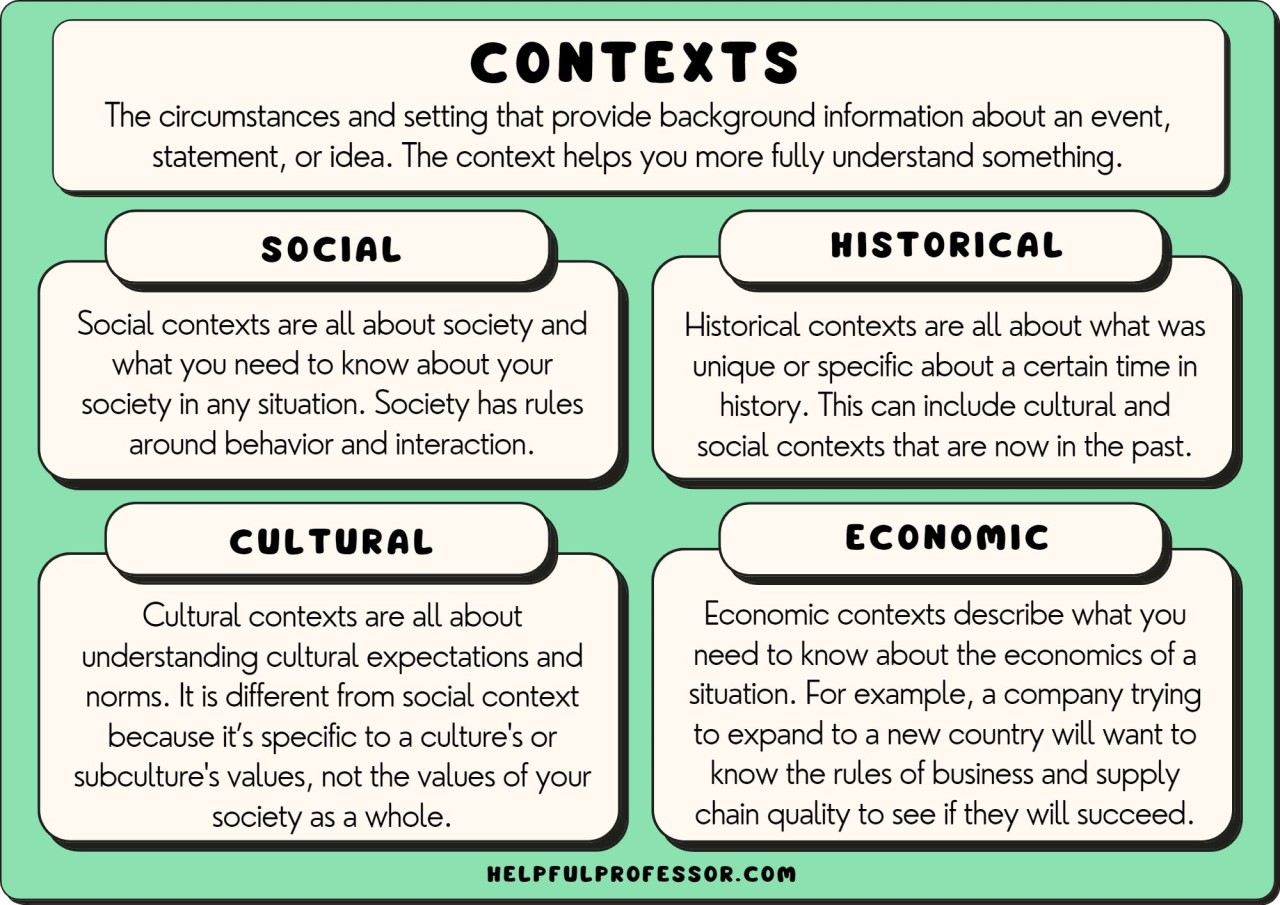
Research has identified five different flow states according to two global factors: interactional and contextual. Interactional flow states refer to flow experiences that arise from social interactions, while contextual flow states refer to flow experiences that are influenced by the environment and culture. Both types of flow states can be enhanced through socio-contextual interactions.