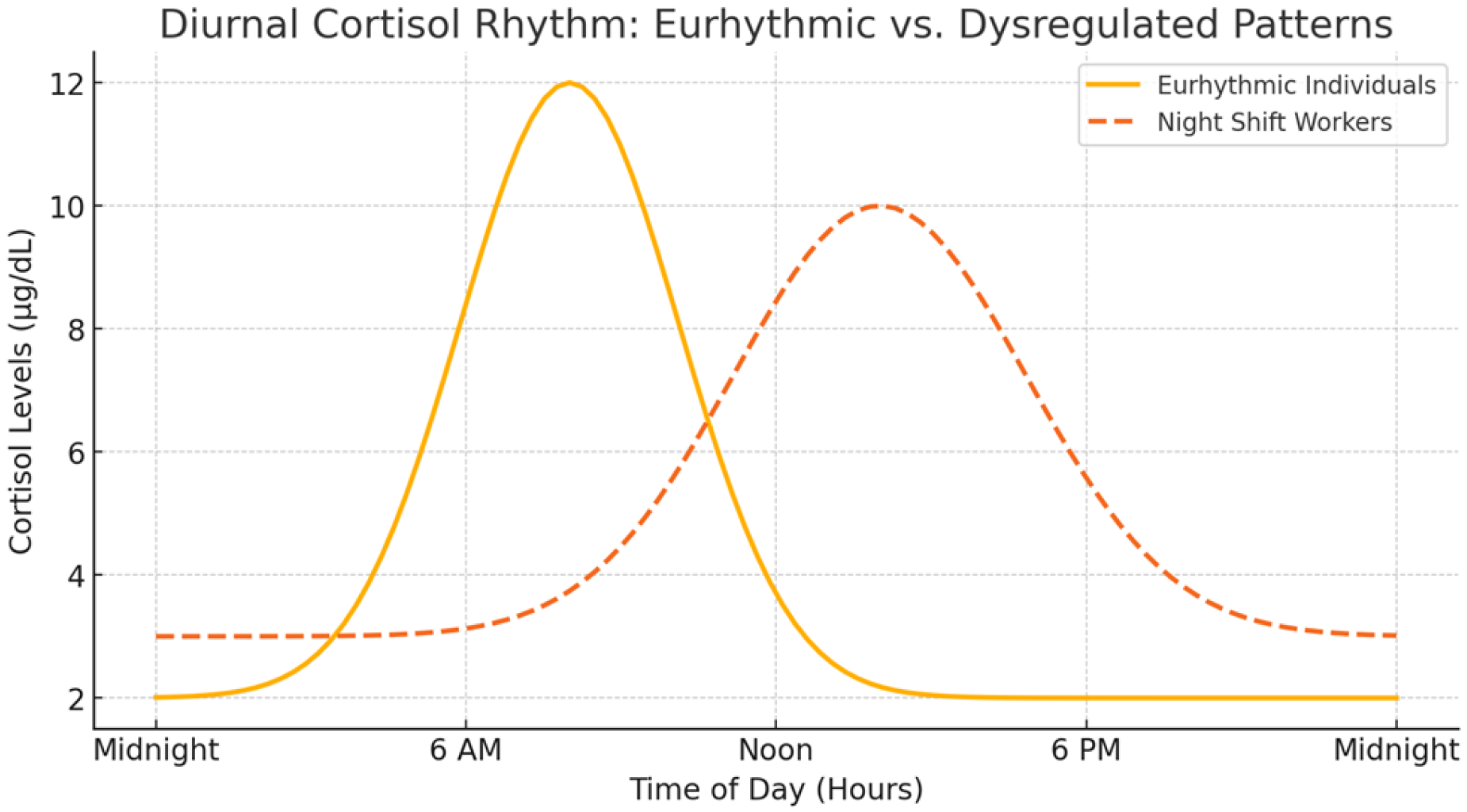
Understanding Diurnal Variations in GLP-1: A Key to Unlocking Metabolic Homeostasis
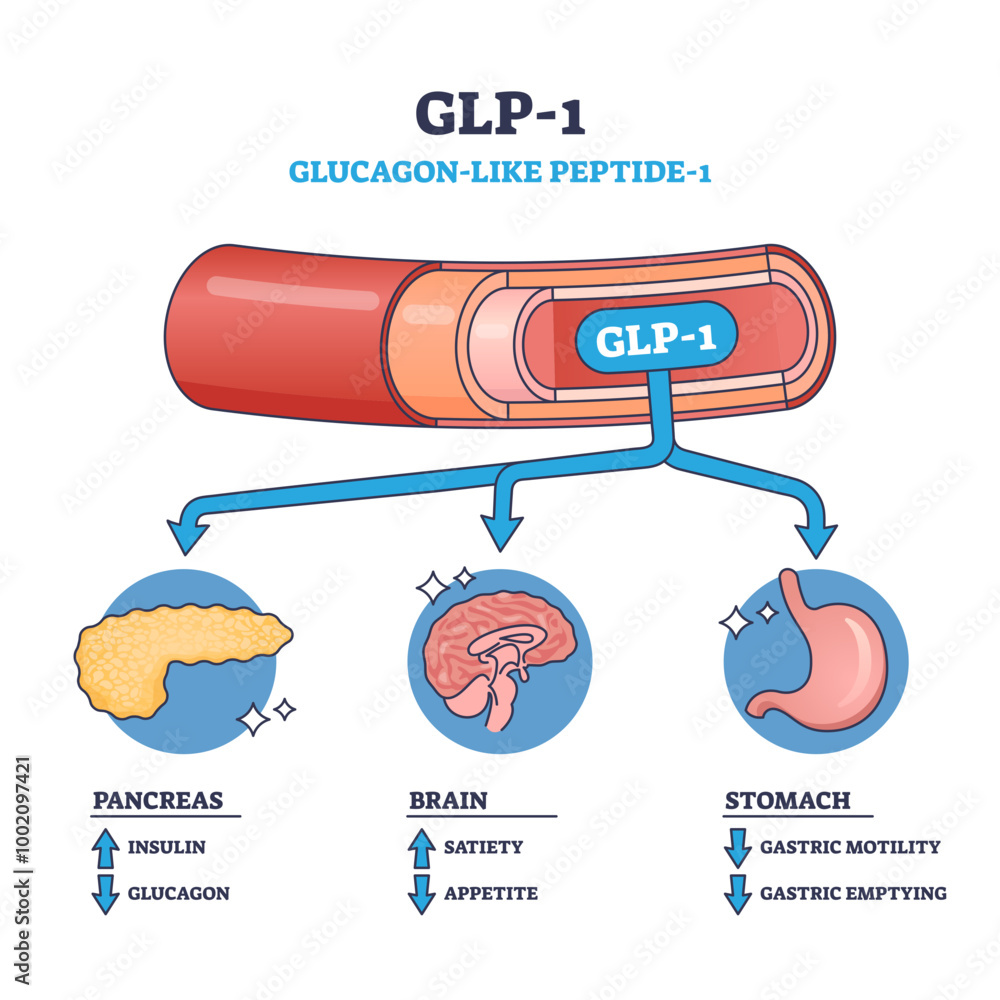
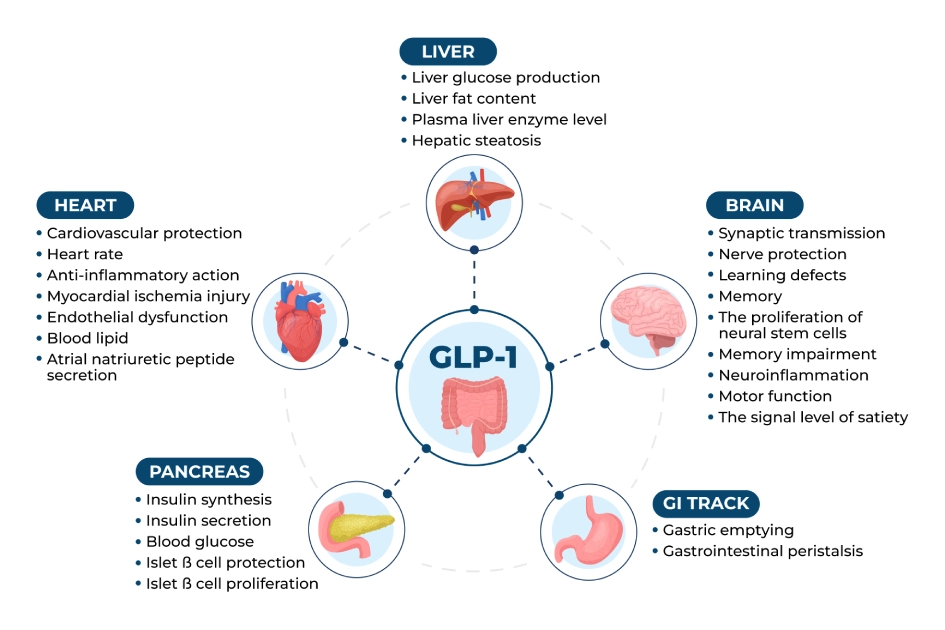
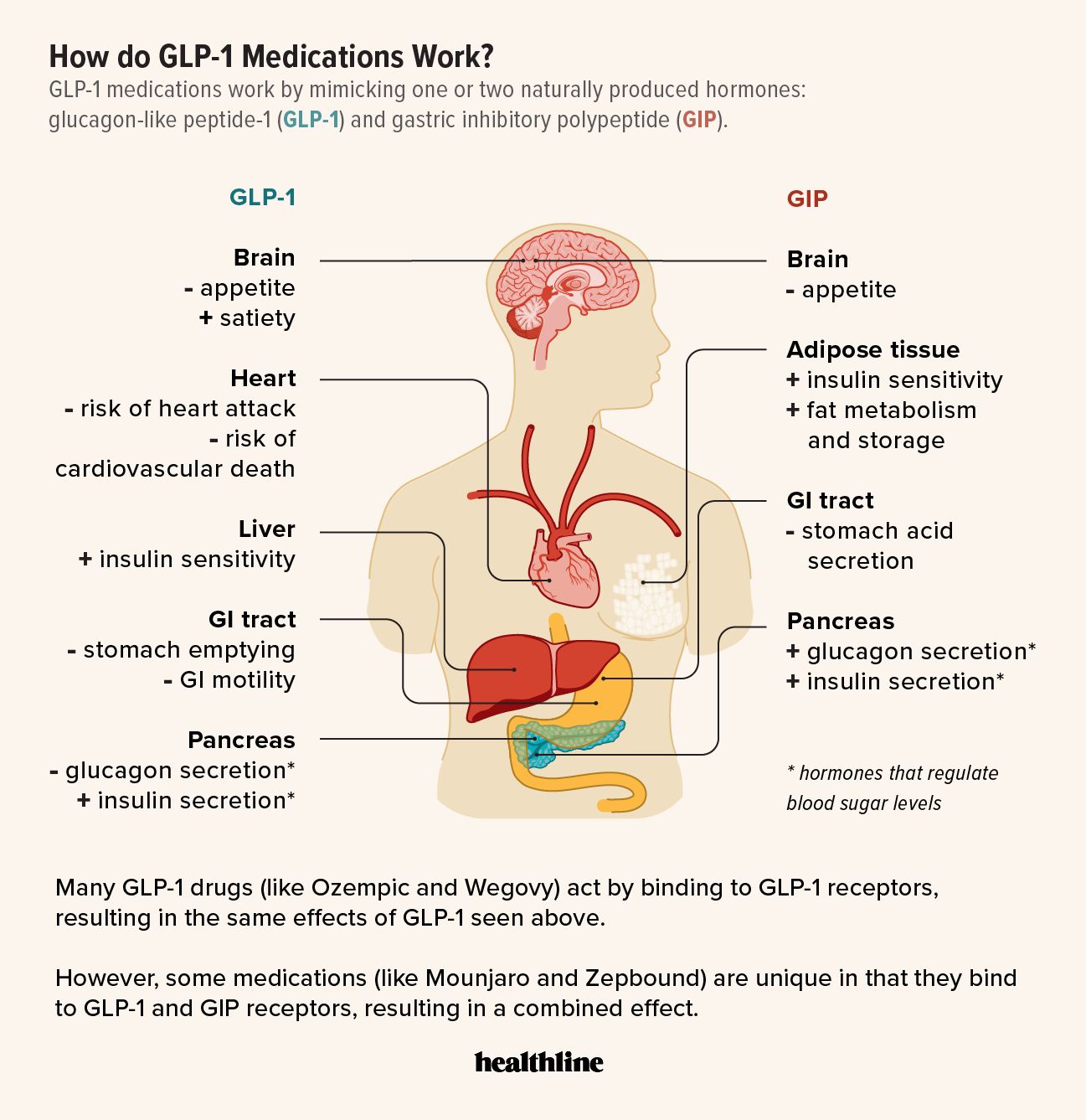
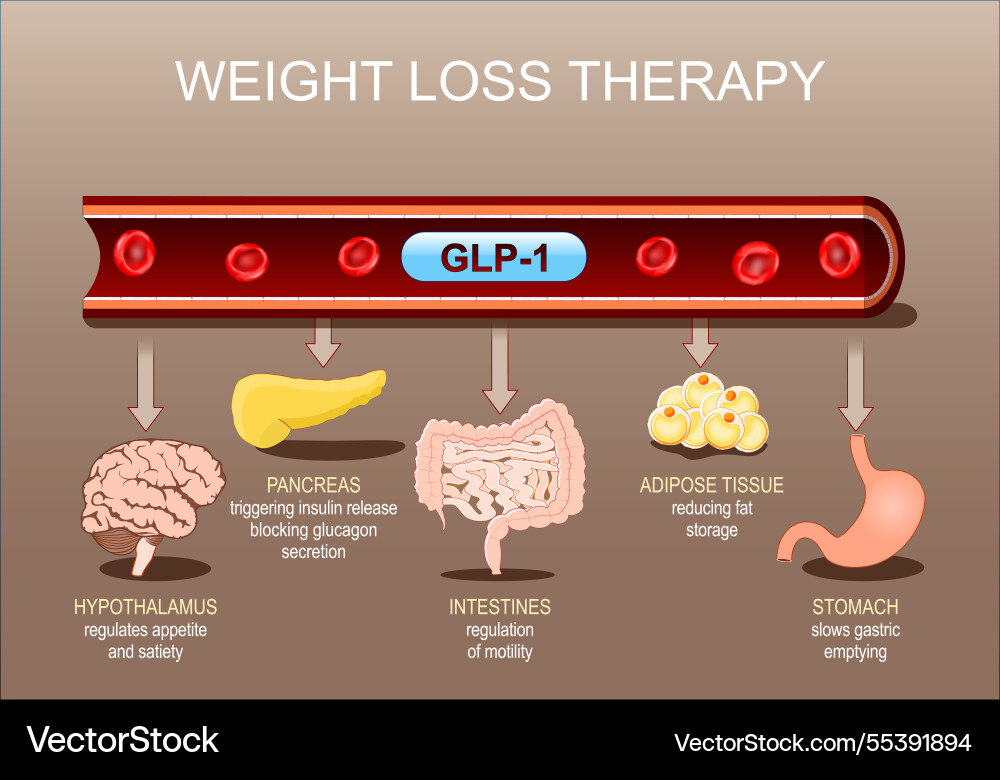
The glucagon-like peptide-1 (GLP-1) hormone plays a crucial role in regulating glucose metabolism, insulin secretion, and food intake regulation. In recent years, research has shed light on the existence of diurnal variations in GLP-1, which are essential for maintaining the delicate balance of metabolic homeostasis. In this article, we will delve into the intricacies of diurnal variations in GLP-1, its role in regulating metabolic function, and the factors influencing its circadian rhythm.
What are Diurnal Variations in GLP-1?
Diurnal variations in GLP-1 refer to the daily rhythms in the secretion, expression, and activity of this hormone in the body. The expression of GLP-1 exhibits a diurnal pattern, with peaks and troughs in response to circulating nutrients, hormonal signals, and other physiological cues throughout the day.
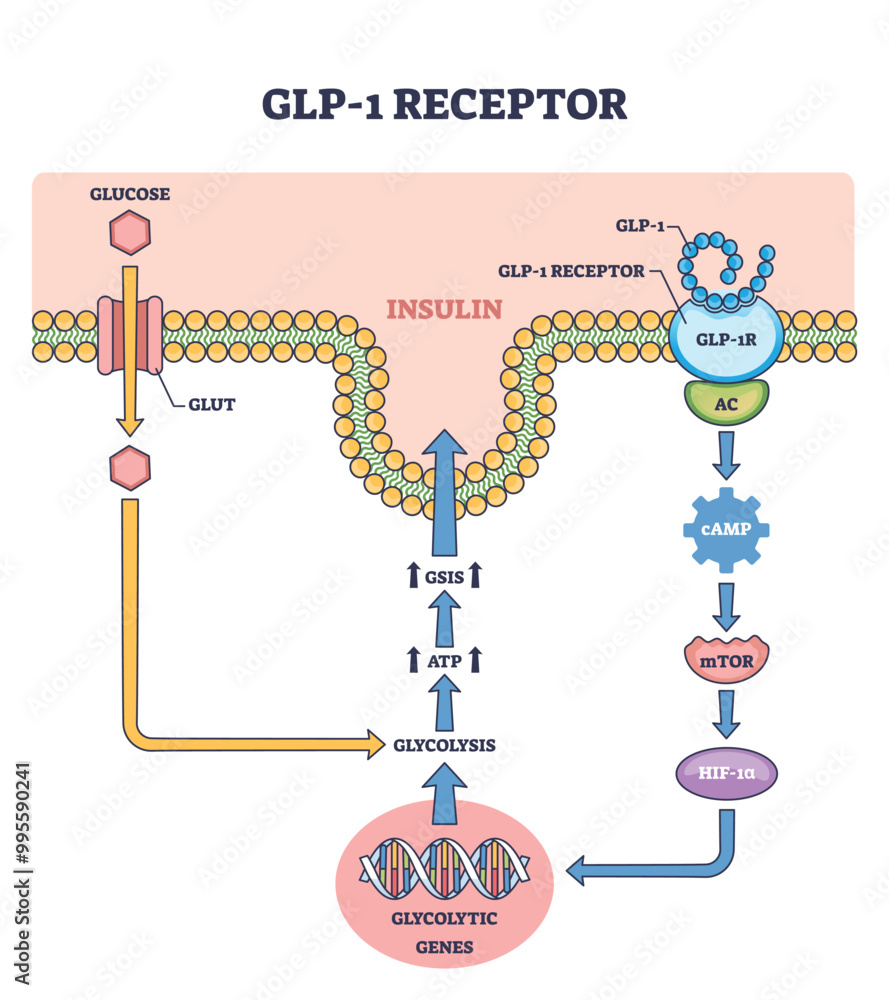
Regulation of GLP-1 Secretion
The secretion of GLP-1 is primarily regulated by the gut's biological clock, which is synchronized with the suprachiasmatic nucleus (SCN), the master biological clock in the brain. The SCN receives external light and dark signals to regulate the release of various hormones, including GLP-1. The intestinal L-cell, where GLP-1 is produced, also plays a vital role in processing and responding to dietary and circadian signals.