Compromising Mechanical Keyboard Kit Layouts: The Art of Balancing Form and Function
When it comes to building a custom mechanical keyboard, the layout is one of the most critical aspects to consider. With so many options available, it can be overwhelming to choose the perfect layout for your needs. In this article, we'll explore the concept of compromising mechanical keyboard kit layouts and provide tips on how to find the perfect balance between form and function.
Understanding Mechanical Keyboard Layouts
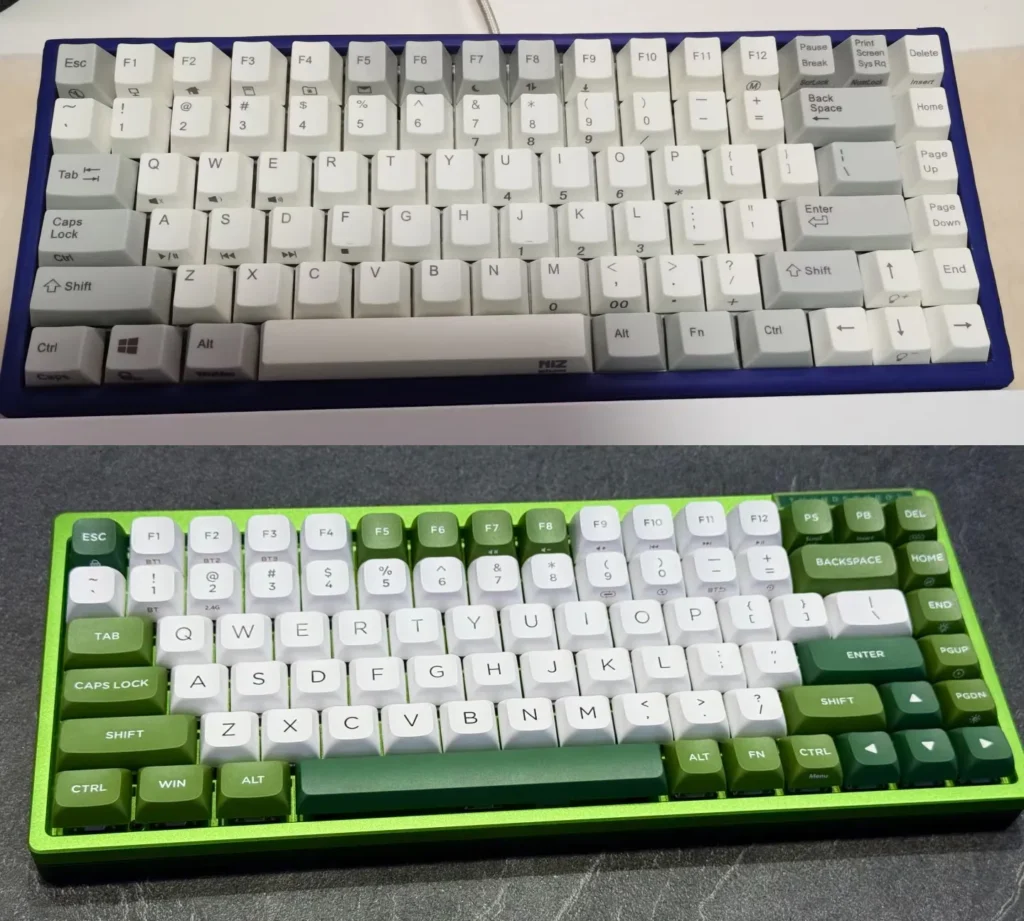
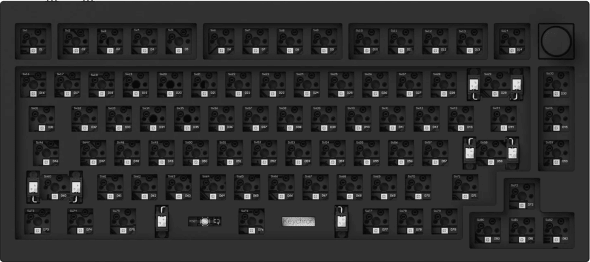
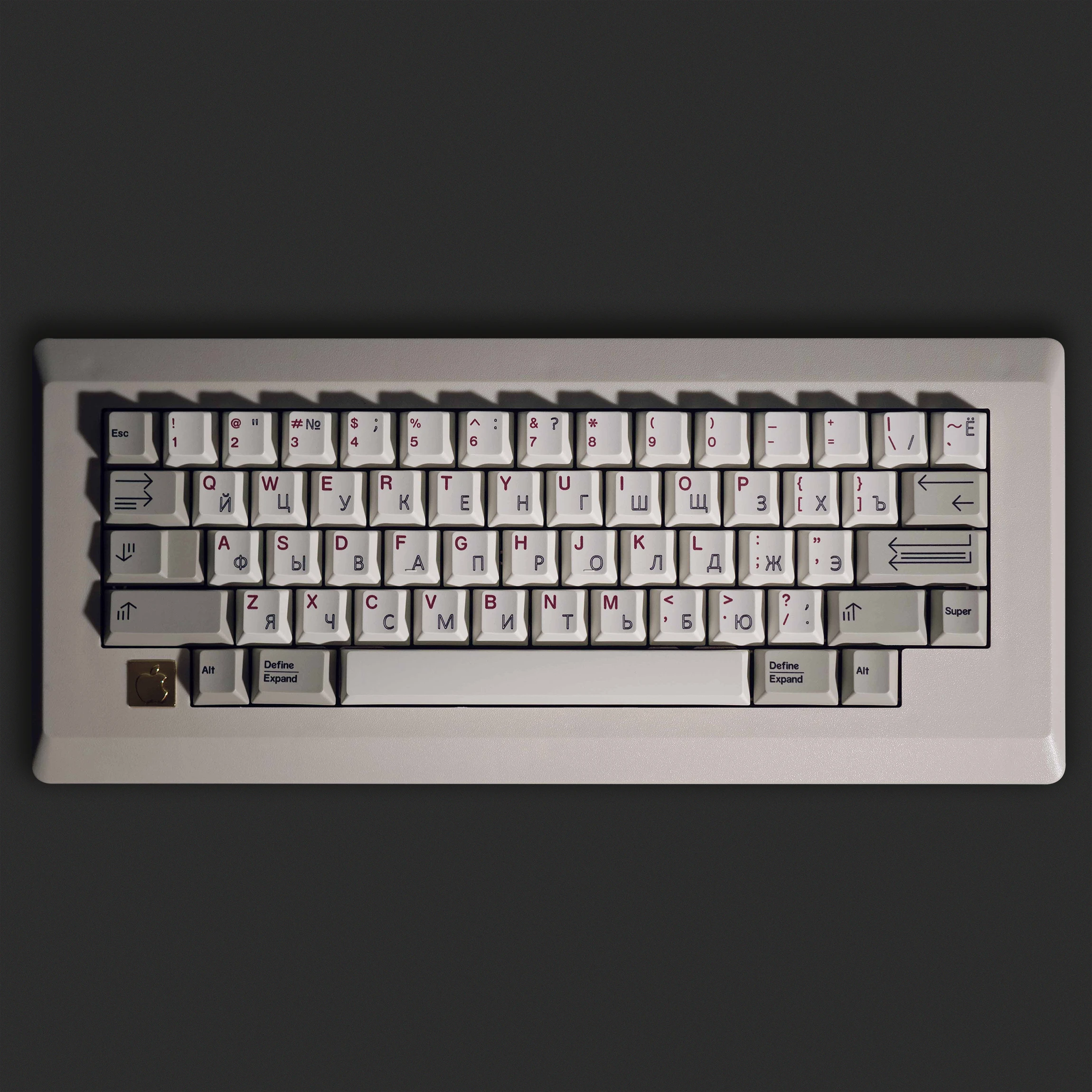
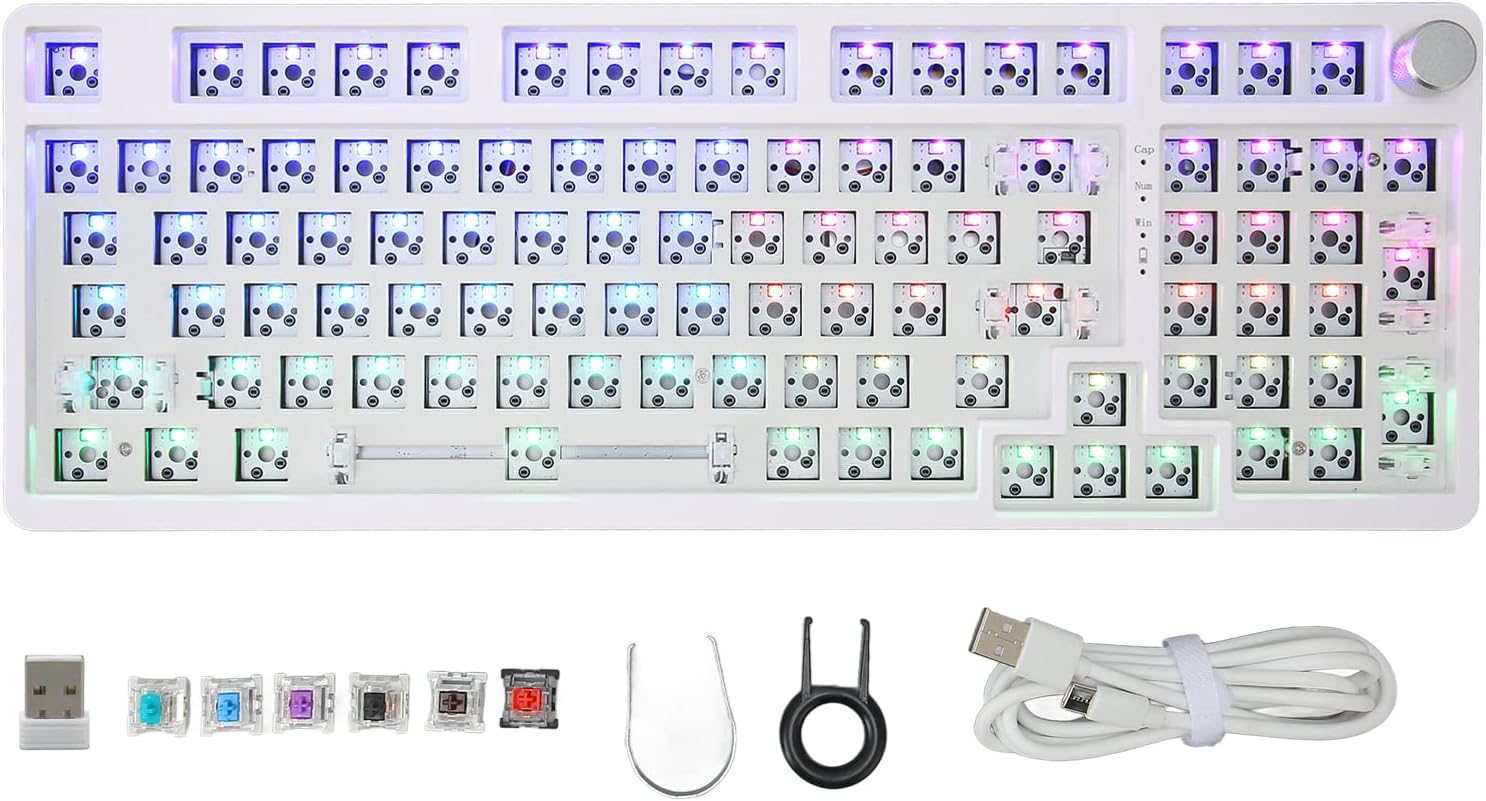
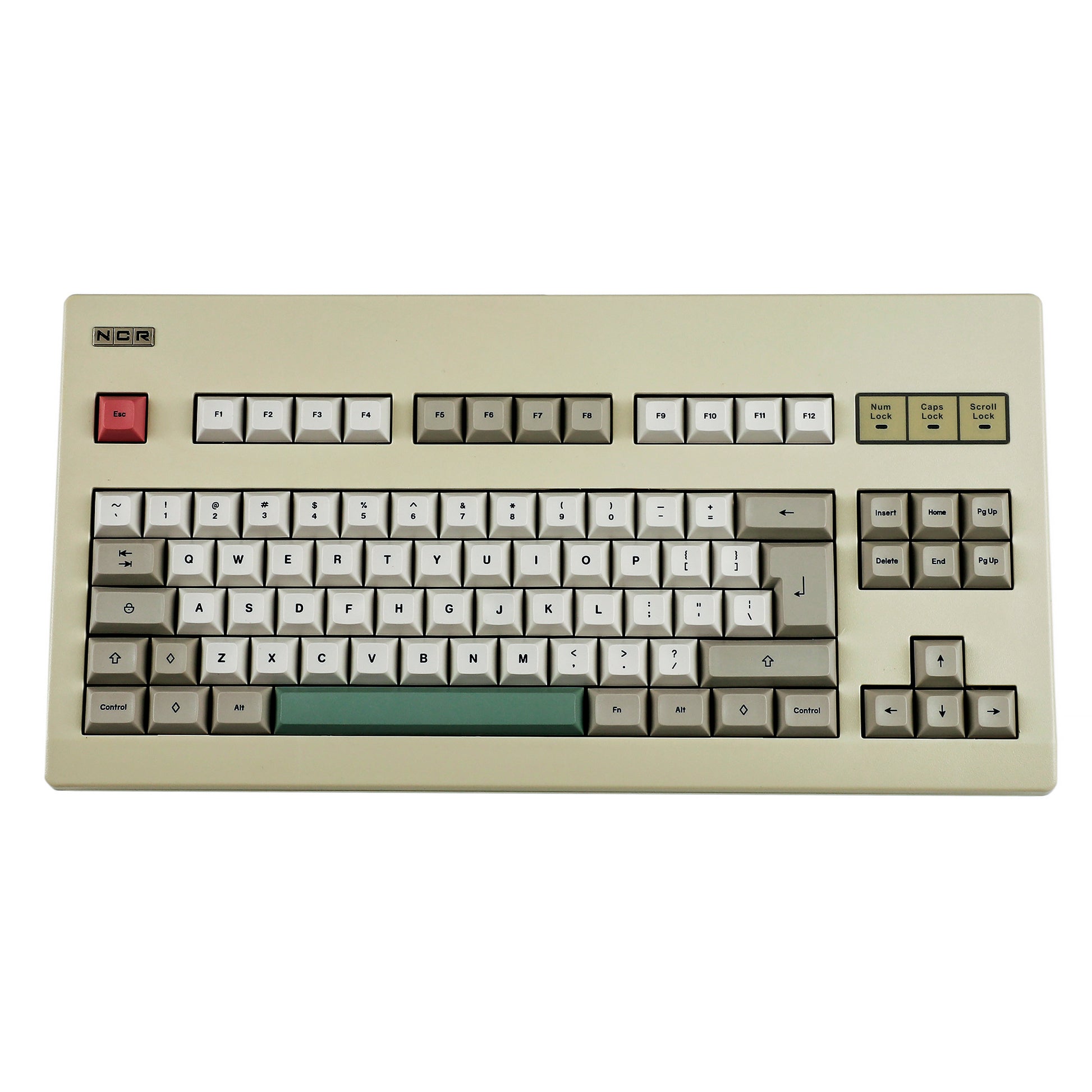
Mechanical keyboard layouts refer to the arrangement of keys on a keyboard. There are several popular layouts, including 60%, 65%, 75%, TKL (TenKeyLess), and full-size. Each layout has its unique characteristics, advantages, and disadvantages. For example, a 60% layout is compact and perfect for small desks or travel, while a 75% layout offers a balance between compactness and feature set.

The Challenges of Compromising Layouts
When building a custom mechanical keyboard, it's common to encounter conflicting requirements. You may want a compact layout for space-saving, but you also need a layout that includes essential keys like the numpad or arrow keys. This is where compromising layouts come in. Compromising layouts involve making trade-offs to achieve a balance between form and function.