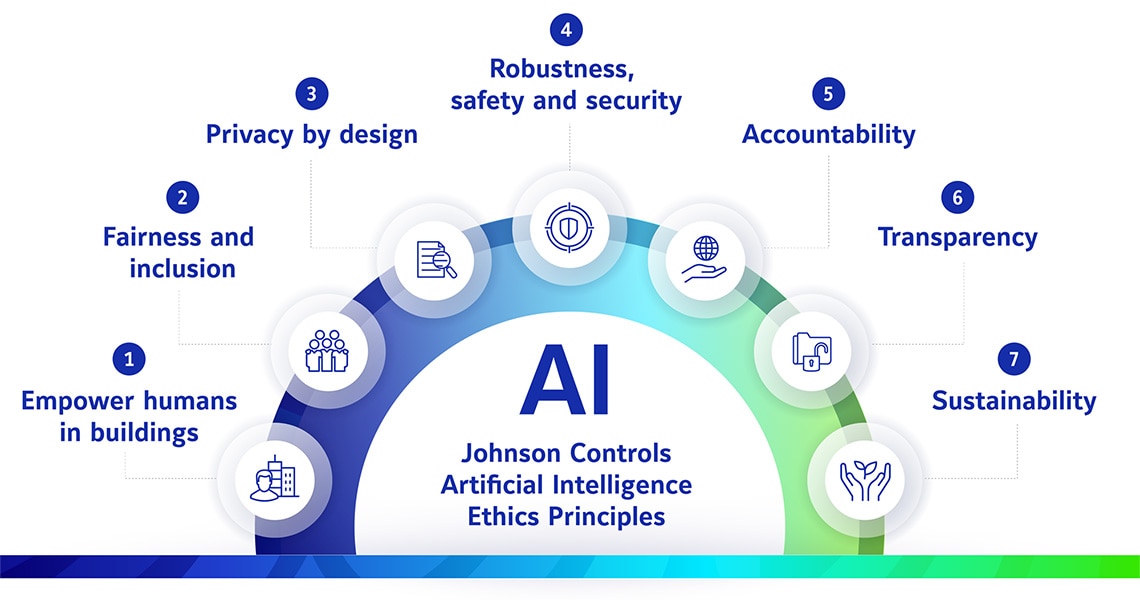
Embracing AI Ethics: The Rise of AI Ethics Auditors
In today's fast-paced, technologically driven world, artificial intelligence (AI) has become an integral part of various critical decision-making processes. With AI systems growing increasingly complex and vast, it has become imperative to ensure that they align with ethical principles, societal values, and regulatory requirements. Enter the AI Ethics Auditor, a specialized professional responsible for independently evaluating AI systems to ensure their adherence to these essential standards.
Defining the AI Ethics Auditor
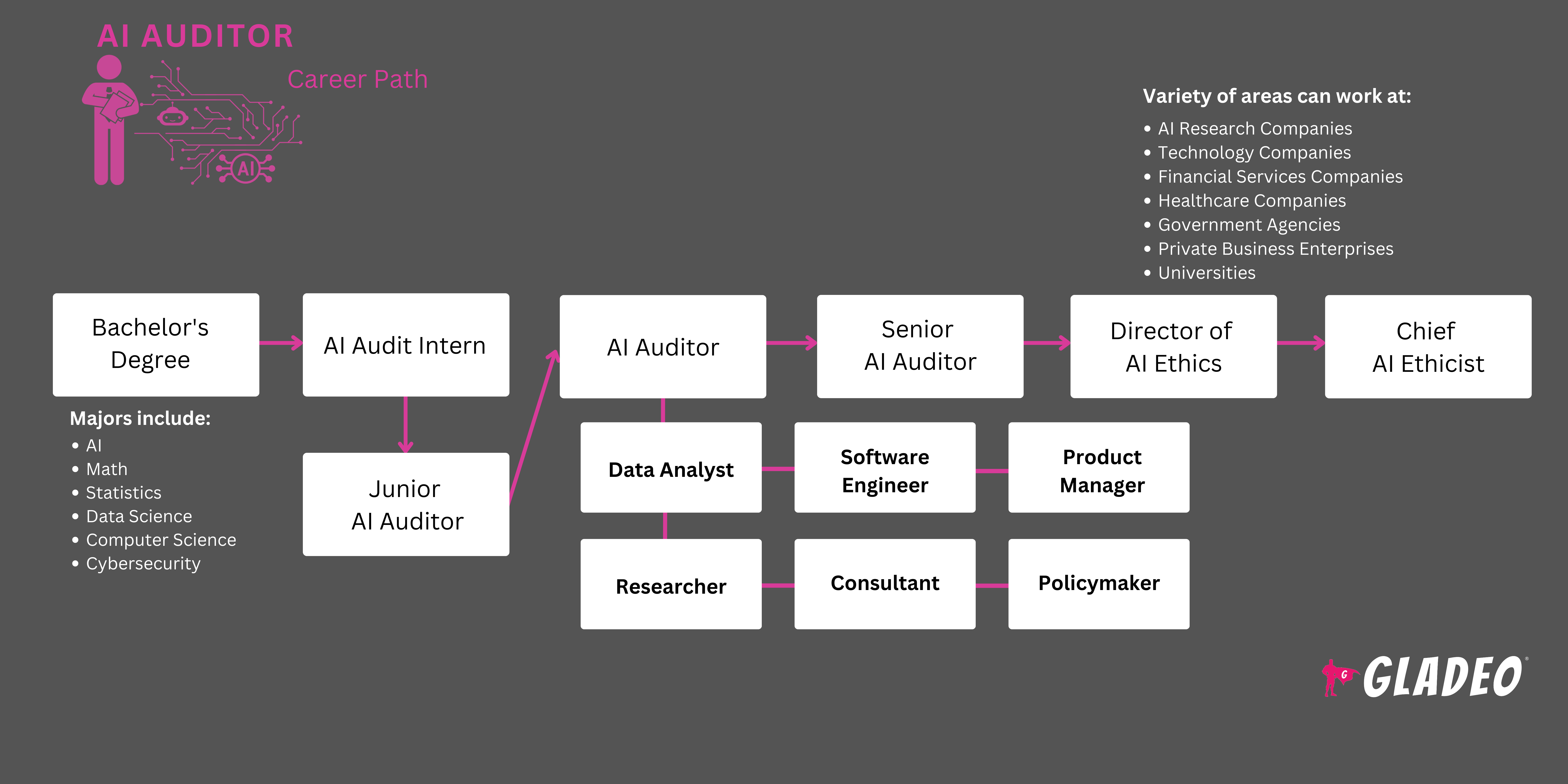
According to recent studies, an AI Ethics Auditor is a specialized professional who conducts systematic literature reviews, synthesizes conceptualizations of ethical principles in AI auditing literature, and contributes to the knowledge gap in AI auditing for stakeholders. Their primary objective is to independently evaluate AI systems, identifying potential biases, fairness issues, and non-compliance with regulatory requirements.

The Need for AI Ethics Auditors
As AI systems expand into various sectors, including healthcare, finance, and education, the need for AI Ethics Auditors has become increasingly pressing. Their role is crucial in bridging the gap between principles and practice in AI ethics, providing awareness, empowerment, and improvement of decision-making processes. The emergence of AI ethics audit offers a promising mechanism for improving the quality of decision-making, increasing user satisfaction, and unlocking growth potential.





-u122l.png "PDFAlgorithmic bias, data ethics, and governance: Ensuring fairness ...")